Every year, as the warm summer fades away and the splendour of autumn colours is upon us, my thoughts turn to a specific memory from my childhood. It is almost like clockwork and never fails.
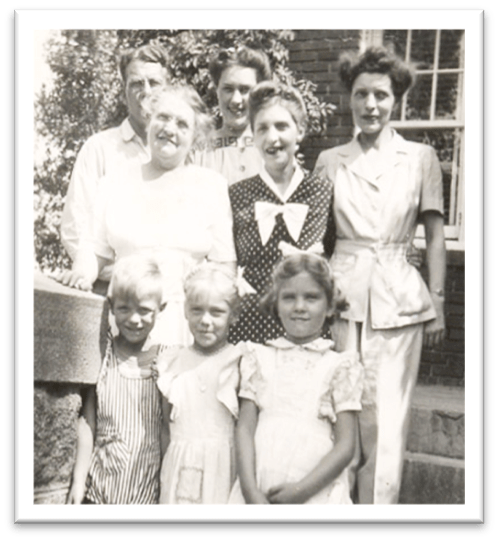
Mom, Claire and Paul
circa 1944
When I was about four or five years old, my mom taught me a song that is forever etched in my memory.
When the trees take on their beautiful fall colours, and when gentle breezes send brightly coloured leaves of red and gold gently spiralling to the ground, forming, colourful carpets, I am reminded of a song my Mother taught me more than eighty years ago. To this day, I still sing “Come Little Leaves said the wind one day,” when driving along, enjoying the fall season and all its many vibrant colours. This brings back many fond memories of the bygone era.
Children’s Song
“Come, little leaves,” Said the wind one day, “Come over the meadows With me, and play; Put on your dresses Of red and gold; Summer is gone, And the days grow cold.”
Soon as the leaves Heard the wind’s loud call, Down they came fluttering, One and all; Over the meadows They danced and flew, Singing the soft Little songs they knew.
Dancing and flying The little leaves went; Winter had called them And they were content- Soon fast asleep In their earthy beds, The snow laid a soft mantle Over their heads.
“Come Little Leaves” was written by the American poet George Cooper (1838–1927), with music by Thomas J. Crawford. “Come Little Leaves” was written by the American poet George Cooper (1838–1927), with music by Thomas J. Crawford.
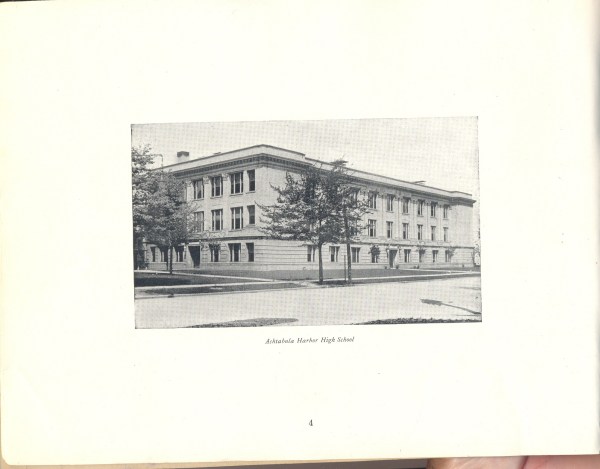
In a previous blog entitled Dad’s Early Years the focus was on my Dad, Karl Victor Lindell, and a recollection of his childhood growing up along the shores of Lake Erie until his High School Graduation from Ashtabula Harbor High School in 1923.
Upon graduation Karl set his sights on enrolling in Michigan College of Mines in Houghton, situated in the upper Peninsula of Michigan. It was there that he spent the next few years as a student.
In 1967, Many years after his 1928 graduation, he was invited to deliver the commencement address.
Over time Michigan College of Mines, developed and later became known as Michigan Technological University.
In 1972 at Michigan Technological University Dad received the Distinguished Alumnus Award
Below is a copy of the text of the citation that outlines a summary of Dad’s stellar career.
Michigan Technological University”
Alumni Association
Distinguished Alumnus Award
Karl Victor Lindell, BS., E.M., 1928
Danville, Quebec, Canada
Most likely, it was growing up in the iron port of Ashtabula. Ohio that first stirred his interest in mining. Whatever it was that brought Karl Lindell to Michigan College of Mines in the mid-1920s, it is safe to assume that even in his wildest dreams of the future, he could not have imagined that was to unfold as a result of this decision.
Professionally, there was little doubt about his competence. Out of school less than ten years, Karl Lindell was already the assistant to the general superintendent of all International Nickel mines in Copper Cliff, Ontario. In 1945, he elected to join Canadian Johns Manville Company, and within six years, he was general manager of the Asbestos Fiber Division.
While still retaining operation of that division, he was elected chairman of the Board of Canadian Johns Manville in 1961. Six years later he was given additional responsibilities as senior vice-president and director of the parent US company.
By this time, he was world-renowned as an authority on asbestos mining and the special health hazards inherent in the industry. Even after his retirement from Johns Manville in 1970, he continues to chair one occupational and environmental health commission while serving as a consultant to another.
For his many contributions to the mining industry in his adopted country – he became a naturalized Canadian in 1939 – Karl Lindell has been honored with Doctor of Science degrees from both Laval and Sherbrooke universities. In 1967 he was invited to deliver the commencement address in Houghton and there received the Doctor of Engineering from his own alma mater. Numerous other professions and civic honors also have been awarded over the years.
It is with great pride that this Association – in consideration of the aforementioned criteria does hereby confer its highest mark of esteem upon a respected and faithful member.
In witness, there is attached hereto the Seal of the Michigan Technological University, the signature of the President, and the signature of the President of the Alumni Association.
Dated in Houghton, Michigan. This fourth day of August 1972 A.D.
His life allowed him to travel the world on behalf of the Asbestos industry; however, when he was home, he joined his sons in the sauna and enjoyed a round of golf with us.
He was a son, a brother, a husband, a father, an uncle, a grandfather, a great-grandfather, and a kind friend to all who knew him.
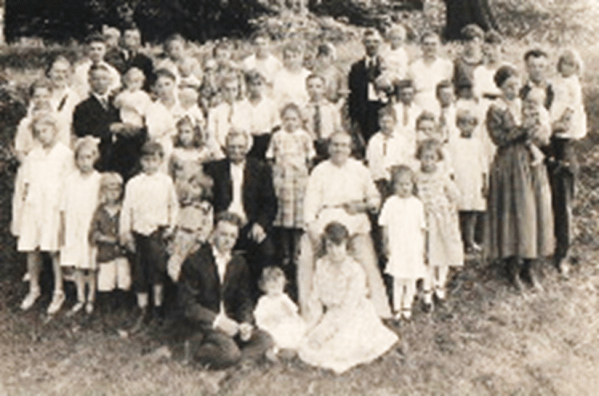
Altonen, Karhu, Kuivinen Family reunion 1919 At the dawn of the twentieth century many of my ancestors from Finland immigrated to the United States. They settled in Ashtabula Harbor, Ohio on the shores of Lake Erie. In the above photo seated are my Karhu great-grand parents surrounded by their offspring. Directly behind my great-grandfather(in the black Jacket – seated) is my Dad, Kaarlo.
Over the past decade a number of stories about my father’s adult life as a Professional Mining Engineer were presented on this blog. However, from his neatly organized photograph album we get a glimpse of his youth.
Kaarlo Victor Lindell was the oldest son of Johan Hjalmar Lindell, a blacksmith and Ida Susanna Karhu. He was born November 14th, 1905. The family lived on Bridge Street above grandfather’s shop. Dad was second of eight children, four girls and four boys
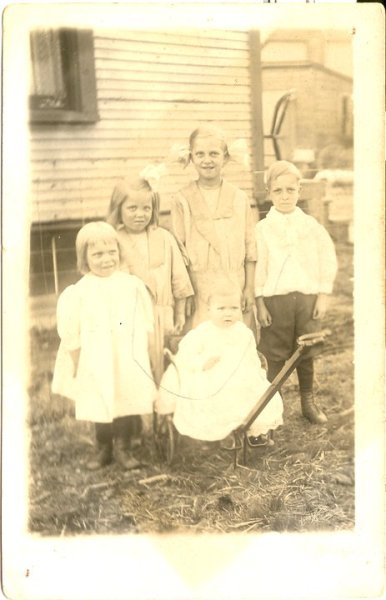
This is one of the earliest photos of Kaarlo pictured here with his four sisters. He was about 9 years old at the time. His brothers were born years later.
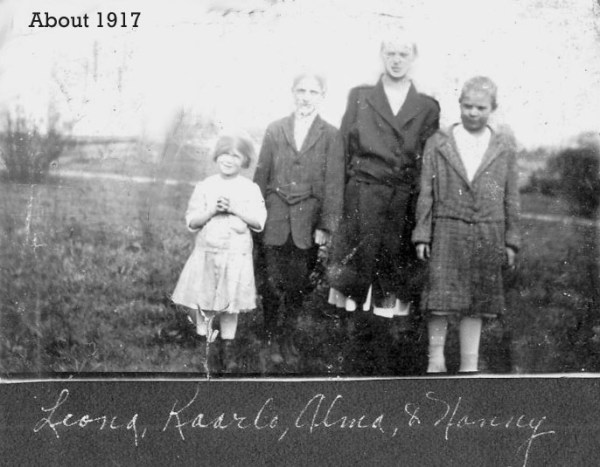
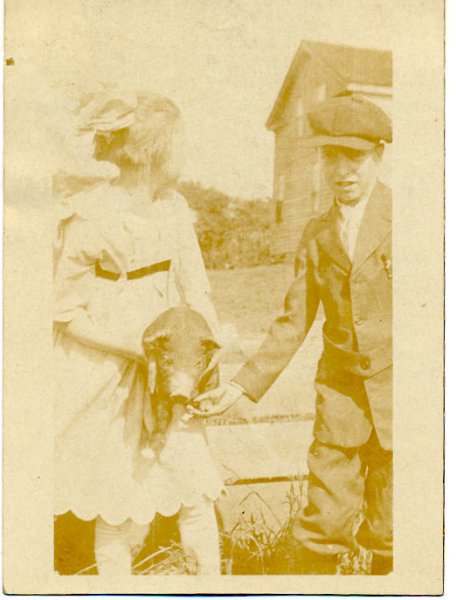
Dad would have been about 11 in this photo with his sister Leona.
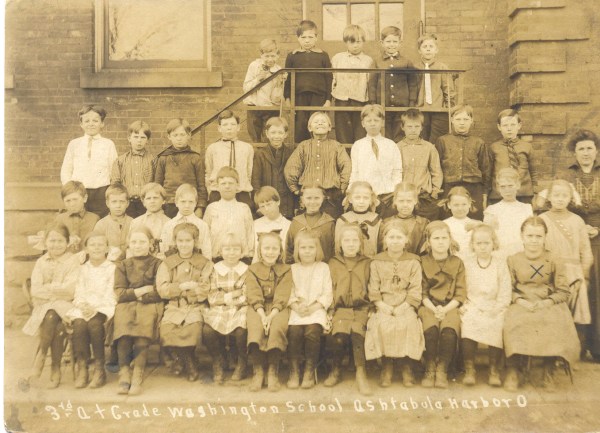
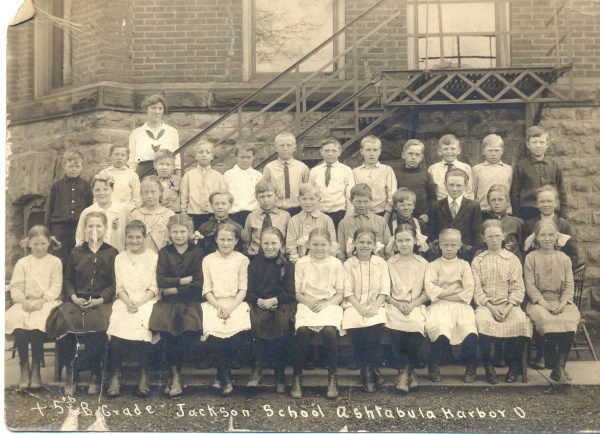
Kaarlo attended Elementary School in Ashtabula Harbor.
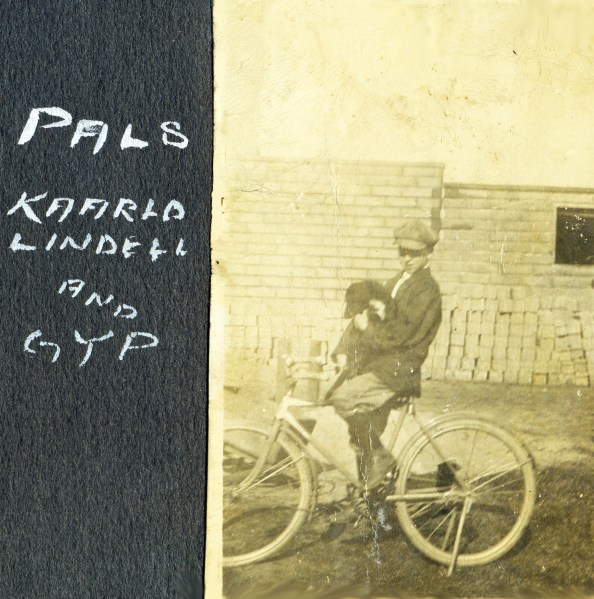
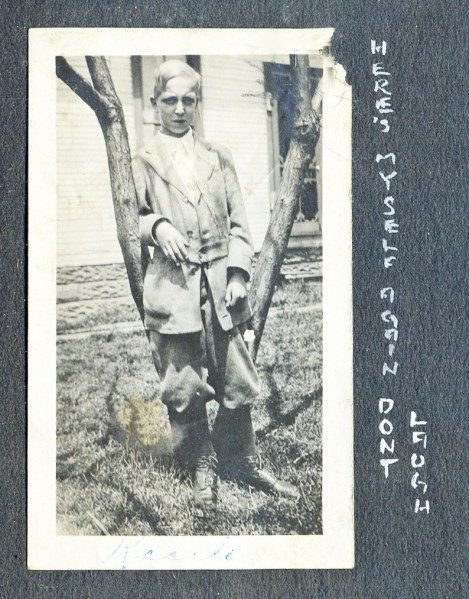
The description says it all!
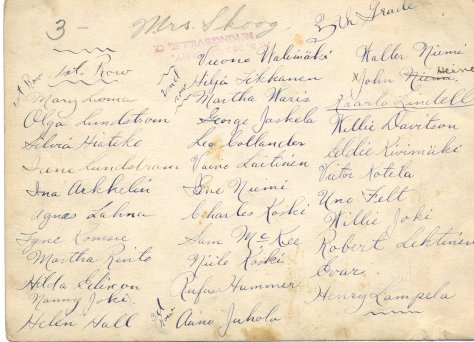
Grade 5 Class Picture and the signatures of Kaarlo’s classmates
Ashtabula Harbor High School
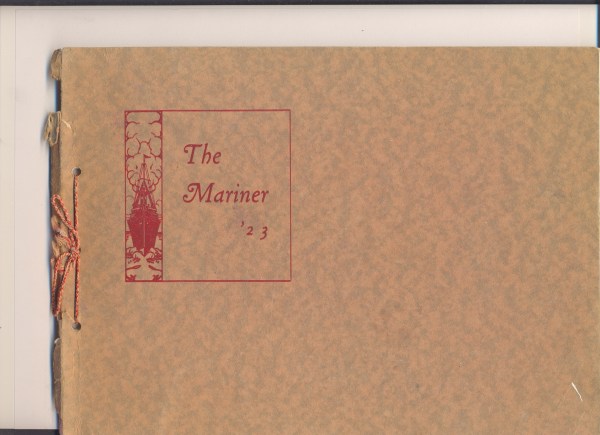
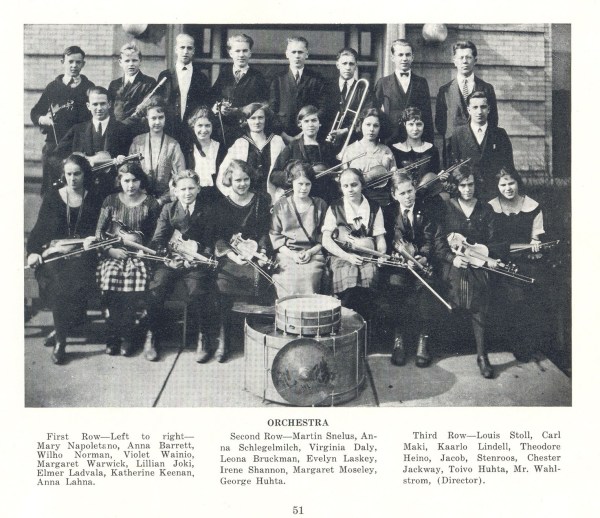
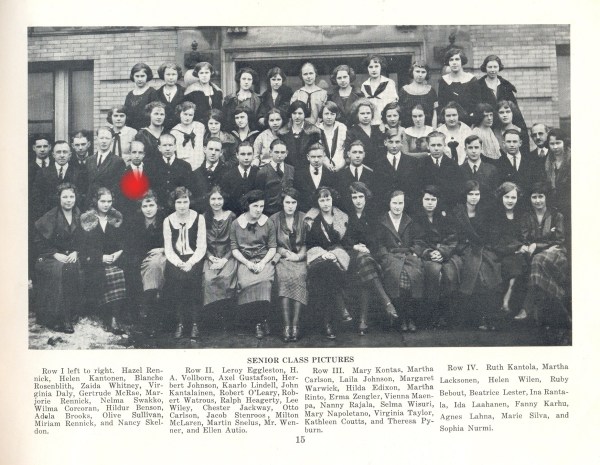
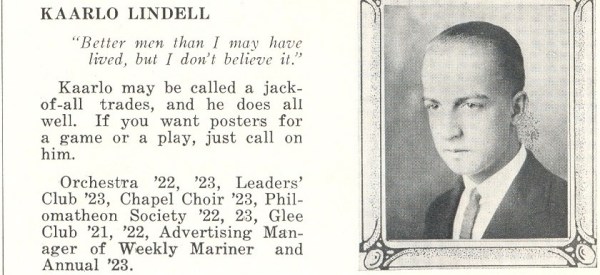
The Mariner – The yearbook for Ashtabula Harbor High School 1923.
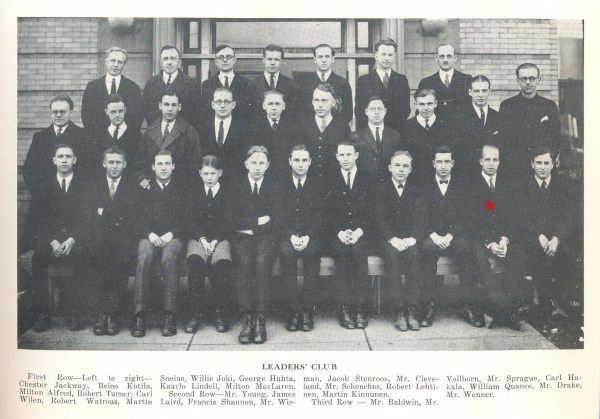
Dad was on the Advertising Committee and was also involved in many of the school activitiesas can be seen in the following photographs.
As a youngster during his teenage years Kaarlo had “many irons in the fire”. He built a crystal radio to the delight of his family. To earn money for college he read meters and ran the movie projector in the local theatre. During the summer months he sailed the Great Lakes as an assistant cook on ore boats.
From his humble beginnings as the son of a blacksmith throughout his life he became a driving force in the mining industry and travelled the world.
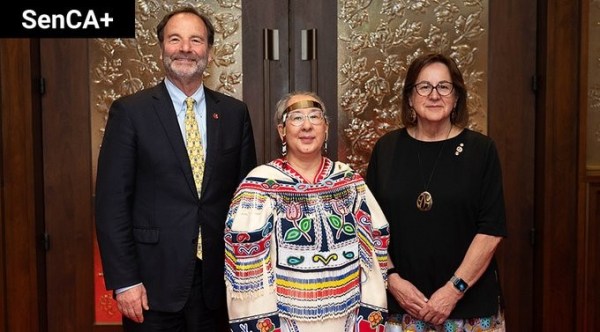
Nancy Karetak Lindell is my nephew Jon Lindell’s wife, my niece by marriage.
It is with great pride that I acknowledge her many contributions and her recent appointment to the Senate of Canada.
It is indeed “History in the Making”.
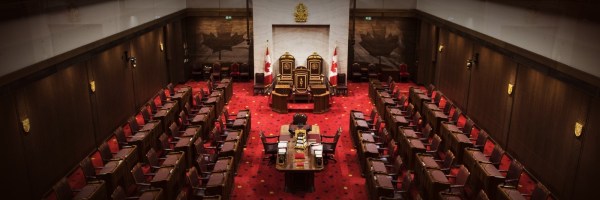
The Senate of Canada Crest
December 19, 2024 Ottawa, Ontario
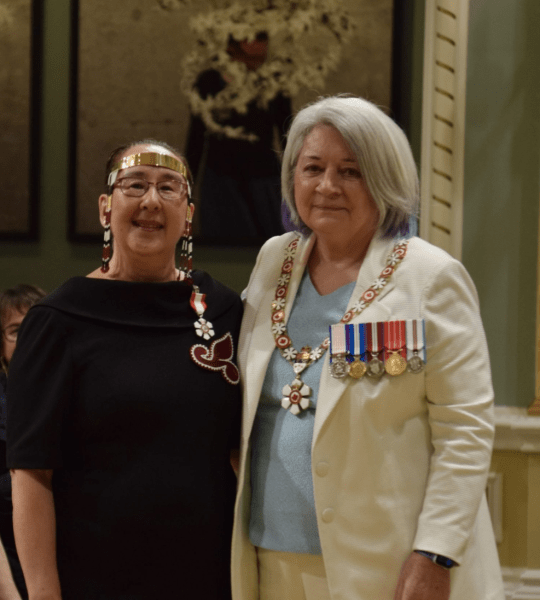
The Prime Minister, Justin Trudeau, today announced that the Governor General, Her Excellency the Right Honourable Mary Simon, appointed the following individuals as independent senators to fill vacancies in the Senate.
Nancy Karetak-Lindell, for Nunavut
Nancy Karetak-Lindell has been a strong voice for the North in Canada throughout her life, advocating for the region’s unique cultural, economic, and environmental interests. From 1997 to 2008, she was the first Member of Parliament to represent the newly established riding of Nunavut. A strong Inuk leader, she served as President of Inuit Circumpolar Council Canada. She is also an active member of her community and the recipient of various honours, including the Order of Canada.
These new senators were recommended by the Independent Advisory Board for Senate Appointments and chosen using a merit-based process open to all Canadians. Introduced in 2016, this process ensures senators are independent and able to tackle the broad range of challenges and opportunities facing the country.
Below is a biography of Nancy’s many accomplishments.
A Biography of Nancy Karetak Lindell
December 19, 2024 Ottawa, Ontario
Nancy Karetak-Lindell has been a strong voice for the North in Canada throughout her life. Born and raised in Eskimo Point (now Arviat), she has first-hand experience of the challenges faced by Inuit and has long been advocating for her region’s unique cultural, economic, and environmental interests.
Fluent in Inuktitut and English, Ms. Karetak-Lindell worked for 15 years in managerial positions for the Arviat Housing Association and Eskimo Point Lumber Supply. In 1997, she ran and was elected as the first Member of Parliament representing the newly established riding of Nunavut and the first female Member of Parliament for the Eastern Arctic. She was re-elected in 2000, 2004, and 2006, serving 11 years in Parliament.
During her time on the Hill, Ms. Karetak-Lindell was Parliamentary Secretary to the Minister of Natural Resources and sat on various parliamentary committees, groups, and associations, including as Vice-Chair and Chair of the Standing Committee on Aboriginal Affairs and Northern Development. She was also a key player in the negotiations to establish Nunavut as a political jurisdiction in Canada.
After leaving politics, Ms. Karetak-Lindell worked as a consultant, independent contractor, guest speaker, election officer, and instructor. She was Director of the Jane Glassco Northern Fellowship Program, chaired the Indigenous Knowledge Program at the International Polar Year Conference, and served as President of Inuit Circumpolar Council Canada, where she advocated for Inuit at the international level.
Ms. Karetak-Lindell has been an active member of her community, serving on the Arviat Hamlet Council, the Arviat Education Council, the Kivalliq Regional Education Authority, Sport North, and the Board of Governors of the Nunavut Arctic College. She also served as Chair of the Nunavut Development Corporation and of the Nunavut Business Credit Corporation, as a board member for Polar Knowledge Canada, as a Trustee for Nunavut Trust, and as Secretary-Treasurer for the Kivalliq Inuit Association. She helped found and volunteered at the Arviat Amateur Athletic Association and gave her time to various other community groups.
In recognition of her leadership and contributions, she was invested as a Member of the Order of Canada and received the Queen Elizabeth II Diamond Jubilee Medal.
Nancy Karetak-Lindell Vows to be the Northern Voice for Nunavut in SenateArticle written by By Nehaa Bimal
Nancy Karetak-Lindell is Nunavut’s new senator, Prime Minister Justin Trudeau announced Thursday in a news release almost a year after the territory’s lone seat became vacant
“It hasn’t really sunk in for me yet,” Karetak-Lindell said in a phone interview an hour after her appointment was announced.
“I am truly honoured and humbled that I’m able to be selected for this position,” she said.
The territory’s only seat in the Senate — the upper house in Canada’s Parliament — has been vacant since Dennis Patterson retired last December, nearly a year ago.
At 67, Karetak-Lindell is set to serve until she reaches the Senate’s mandatory retirement age of 75. The Senate appointment comes with a base salary of $178,100 a year, according to the Library of Parliament.
She said she plans to focus on issues important to the North, including the high cost of living, housing shortages, and access to education.
“Inuit and people in the North really need to have a voice speaking on their behalf, making sure our points of view, our values and our knowledge are being used to make decisions in the North,” Karetak-Lindell said.
While she expects to travel frequently down south for her new role, she said Arviat, where she was born and raised, will remain her home.
This is not Karetak-Lindell’s first time making leadership strides in the south.
She made history in 1997 as a Liberal MP — the first female MP for the Eastern Arctic, and the inaugural representative for the newly established Nunavut riding.
Re-elected in 2000, 2004 and 2006, she served 11 years in Parliament, where she was parliamentary secretary to the minister of natural resources and chairperson of the Aboriginal affairs and northern development committee.
Representing the largest geographical riding in Canada, Karetak-Lindell said it is important to work collaboratively with others to ensure northern perspectives are understood in Ottawa.
“When you’re one lone voice representing such a large and unique riding, you have to work with people to make sure other colleagues understand the message you’re trying to share,” she said.
Nunavut’s current MP Lori Idlout, acknowledging the challenges of being the territory’s only voice in the House of Commons, congratulated Karetak-Lindell in a Twitter post Thursday.
“I have always admired Nancy, and her appointment will mean Nunavut has another strong Inuk female voice in Ottawa,” Idlout tweeted.
In Parliament, Nunavut has one seat in the House of Commons, whose members are elected, and one seat in the unelected Senate.
Karetak-Lindell’s contributions to the North continued after she stepped down from her MP role in 2008.
She served as director of the Jane Glassco Arctic Fellowship Program, chaired the Indigenous Knowledge Program at the International Polar Year conference, and led the Inuit Circumpolar Council Canada as its president from 2016 to 2018.
Her commitment extended to community work, including serving on the Arviat hamlet council, Arviat Education Council, and Nunavut Arctic College board of governors.
She also held leadership roles with the Nunavut Development Corp. and Polar Knowledge Canada, and co-founded the Arviat Amateur Athletic Association.
Karetak-Lindell’s advocacy has been widely recognized. In 2022, she was invested as a Member of the Order of Canada.
While she is looking forward to taking on the responsibilities of her new role, for now Karetak-Lindell said she is “going through all the wonderful messages I’m receiving from people.”
“I really appreciate the trust that people have in me and the confidence they have in me to represent this position,” she said.
“And I intend to do it with every ability I have.”
Nancy Karetak Lindell and the Governor General Mary Simon
Over thirty years have passed since my Mom died. Lately, she has been in my thoughts as I ponder a sad part of her life. Estelle Anita Jodouin, the eighth child of Louis Joseph Jodouin and Louisa Seraphina Fortin, came into this world on January 22, 1909, in Sudbury, Ontario.
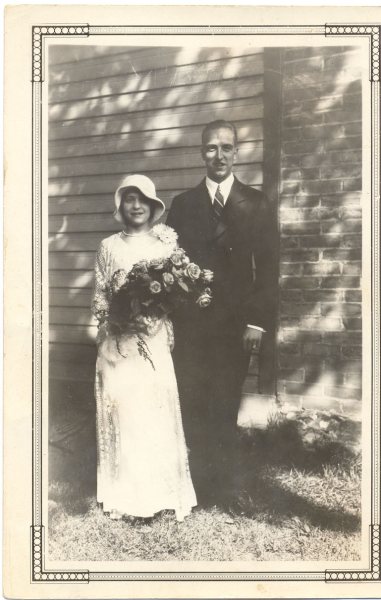
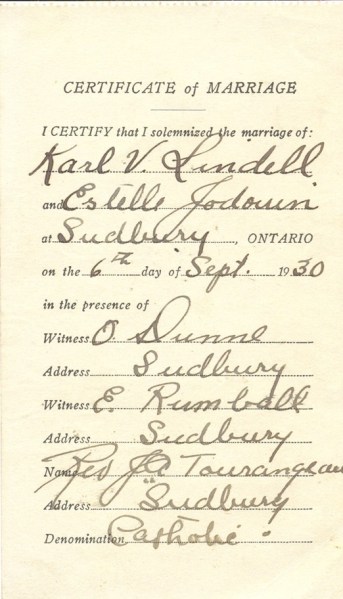
During Labour Day weekend of 1930, at the age of twenty-one, she married a young Finnish mining engineer, and they settled in the area. Over the next eleven years, they had five children. Aunts and cousins were always around to give a helping hand with caring for the children, and they were a tremendous support for Mom, as at the time, Dad was working shifts.
Mom and Dad on their Wedding Day
In 1945, Dad was offered a job in Asbestos, Quebec, a mining town in the rolling countryside of the Eastern Townships. It was a promotion for him. It meant he would no longer be working shifts, but, rather using his skill at designing a shaft for the development of underground mining. At that time, the company had been concentrating on open pit mining of asbestos, a fibre that does not burn and is used in firefighters’ gear, brake linings in cars and home insulation. It was a job for which Dad was well qualified.
It was a difficult move for Mom. She did not know a soul, and her family support system had vanished. She missed her parents, sisters and nieces. Deep down, I do believe she was heartbroken and had difficulty coping with the move, far from family.
In the summer of 1947, Granny, her mother, and Aunt Ted drove down to Asbestos for a visit. Mom was delighted to welcome them. Shortly after their visit, Mom was hospitalized in Montreal for an extended period. Dad visited her regularly and made arrangements for Mrs. Robinson, an elderly lady, to care for us. ( I never knew the reason for the hospitalization as I was 7 years old at the time, and I still do not know all these years later. Was the hospitalization a mental breakdown or perhaps the loss of a child?)
Uncle Leo, Aunt Dickie, Aunt Ted, Gran, Mom,
Paul, Claire,and Cousin Denise
In the summer of 1948, Mom drove my sister Ruth, brothers John and Paul, and me to Sudbury to visit family. On the way, we stopped in Pembroke and visited Mom’s spinster Aunts and continued to Sudbury. Mom had learned to drive at the age of fourteen and was undaunted when undertaking such a long drive. After seeing the scorched land and forests fires we arrived and greeted relatives with open arms and warm hugs. Mom had finally arrived home.
We spent time with Granny Jodouin, aunts, uncles and cousins which created many fond memories. Mom was happy.
On our way home, we stopped in Senneville and visited with Aunt Aline, one of Mom’s older sisters and Uncle George, an avid stamp collector, where I learned about stamp collecting. We then continued our way home.
Around this time, (1948-1949) I vividly remember Mom sitting at the typewriter in the solarium where Dad had a large desk with his CB (Citizen Band Radio). She would be typing letters to Gran and her sisters. At Christmas time she would be in the kitchen making fruitcake to send to family in Sudbury.
For a long time she hung on to her thoughts of home and the family members she had left in Sudbury, so far way.
Her life and our family’s lives were changed. In January of 1950, when at the age of forty-one, Mom gave birth to a little sister, Vicky, while at the same time, Dad received a big promotion. Life was taking on new challenges. These positive events were the beginning of a new outlook on life for Mom. Her loneliness was slowly disappearing. She now had new challenges.
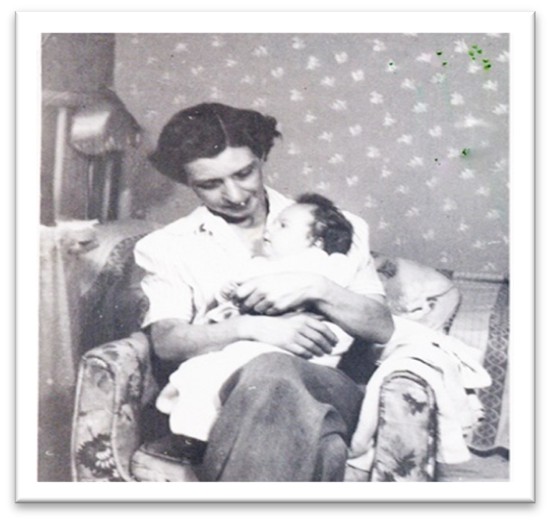
Mom and Vicky
Vicky’s arrival was a blessing for all of us. At 10 years old I now had a real live doll to care for.
Mom had help when a young girl, Ghislaine, came into our lives. She developed a close bond with Vicky, and Mom’s overall health was much better. Her loneliness no longer seemed to trouble her. Her health improved and before long she was able to travel. She visited New York City and attended Broadway plays , enjoyed shopping at Berdorf-Goodman, along with company jaunts to the Carribbean .
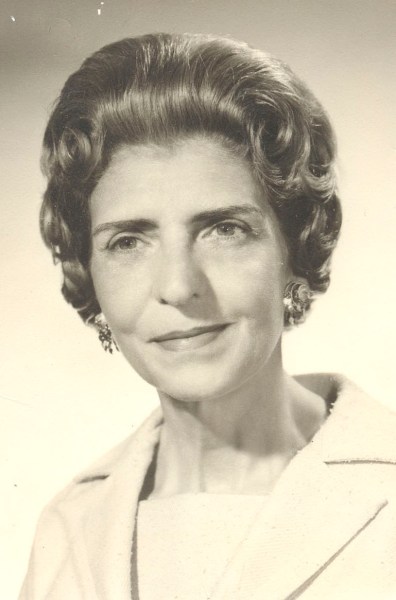
Mom in 1963
Over the years she visited Africa, Europe, Japan and became a world traveller with Dad.
Mom’s life was filled with many ups and downs, but with Dad’s support she overcame her difficulties. Her life had taken on a new look, and her loneliness was a thing of the past. She enjoyed life to the fullest!
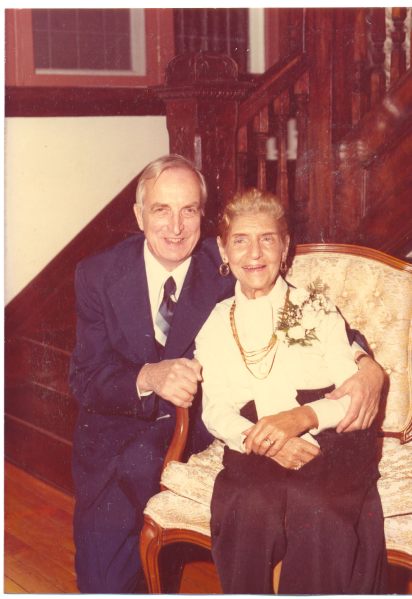
Mom and Dad on their 50th Wedding Anniversary in 1980
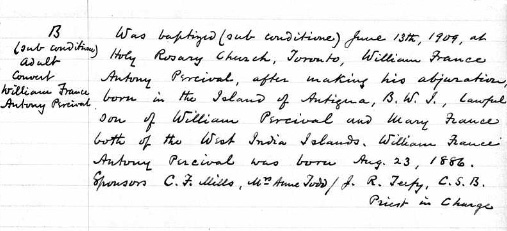
On August 23rd, 1886 in St. John’s, Antigua, British West Indies Mary France, the wife of William Percival gave birth to a son, William France Anthony Percival, my Uncle Bill.
Little is known about his early years in Antigua. At the age of eighteen in 1904 he immigrated to Canada. Records indicate that on the 13th of June 1909 at the age of 23 he converted to Catholicism and was baptised at the Holy Rosary Parish in Toronto.
Baptismal Record
In 1914 Bill settled in Sudbury, Ontario and began working as a dispatcher and later became the Assistant Chief Clerk for Canadian Pacific Railway. A job he held for 33 years.
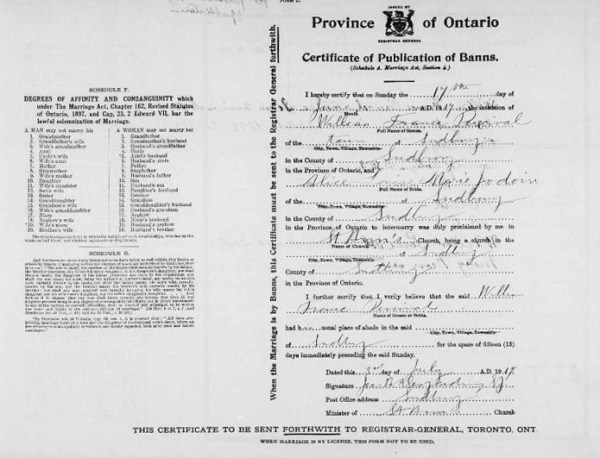
Bill began courting Alice Jodouin, the daughter of Louis and Louisa Jodouin. Before long the customary banns announcing the upcoming marriage of the young couple were published. Banns are a notice read out on three successive Sundays in a parish church, announcing an intended marriage and giving the opportunity for objections.
The banns
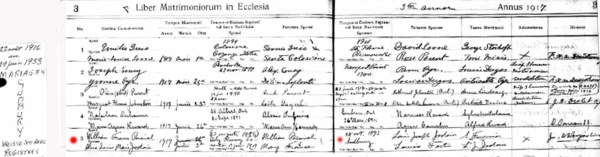
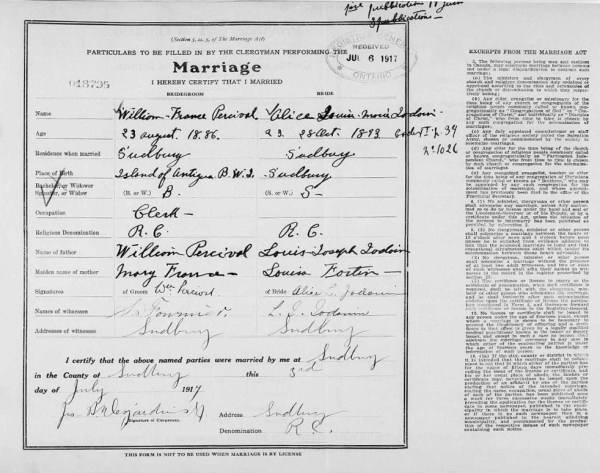
Uncle Bill and Aunt Alice were married on the 3rd of July 1917 in Saint Anne Church, the French Parish in Sudbury.
The church record of the marriage
The officiating Priest
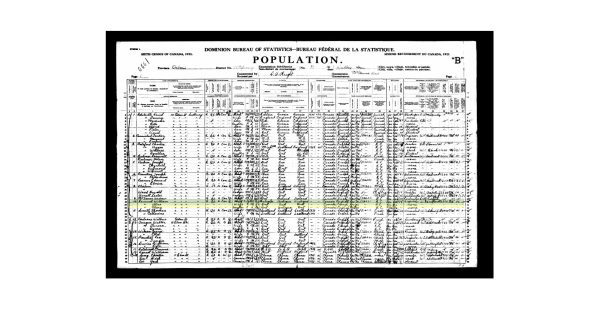
The 1921 Canadian Census shows Uncle, Aunt Alice and their first daughter, Mary.was born in 1919.Later in 1921, Madge was born, followed by Frederica (Freddie) in 1923, then Natalie in 1925 and Willena (Billye) in 1927.
The 1921 Canadain Census
After raising 5 daughters they were hoping for a son. In 1934 Aunt Alice was expecting another child. Would it be a boy? The family would be complete with the son they had always wanted and a little brother for all the girls
Alas! It was not meant to be. John Allan was stillborn. This tragedy, the loss of a son caused many heartaches for the family.
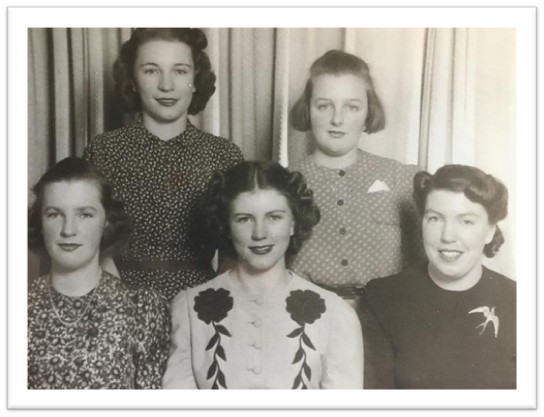
The Percival Sisters Back row: Freddie and Billye Front Row: Natalie, Madge and Mary
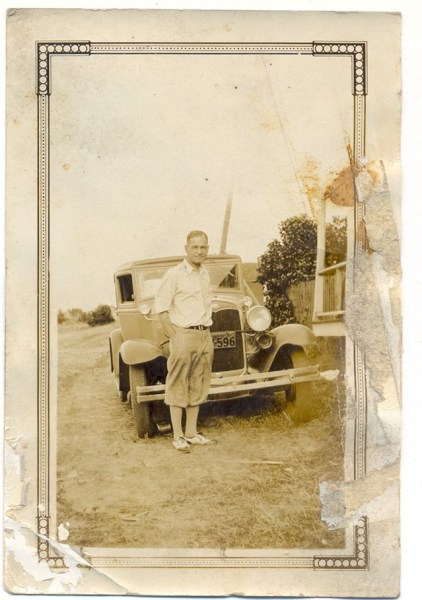
I never knew Uncle Bill, however, he enjoyed quiet moments sailing on Lake Ramsey, according to my older brother Karl, who had the good fortune of knowing him. At the time I was too young and our family moved from Sudbury to the rolling hills of the Eastern Townships in Quebec. I do not remember Uncle Bill.
Shortly after retiring Uncle Bill passed away on December 8th, 1948 at the age of 62.
Aunt Alice surrounded by her many grandchildren.
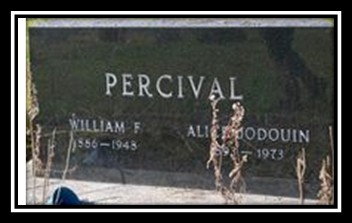
Aunt Alice lived another 25 years after Uncle Bill’s passing and continued as the church organist. She died in 1973 and is resting beside him in the LaSalle Catholic Cemetery in Sudbury, Ontario
Over the years I have visited many relatives in Sudbury and have fond memories.
In the1600s my ancestors left France and embarked on an adventure to New France. In 1651 Julien Fortin de Bellefontaine settled in Chateau Richer, near Quebec City, and built a home, while Claude Jodouin landed in Ville Marie (Montreal) in 1666 and remained in the area.
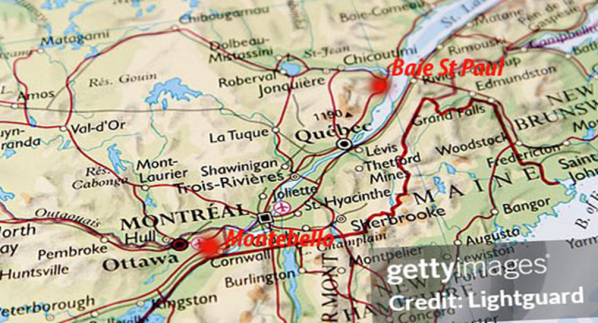
The Jodouin descendants moved east of Ville Marie (Montreal) to Varennes and Verchères on the south side of the St Lawrence River. Fortin descendants settled east of Quebec City in the Charlevoix, Baie St. Paul, Cap St. Ignace region on the north shore of the St. Lawrence River.
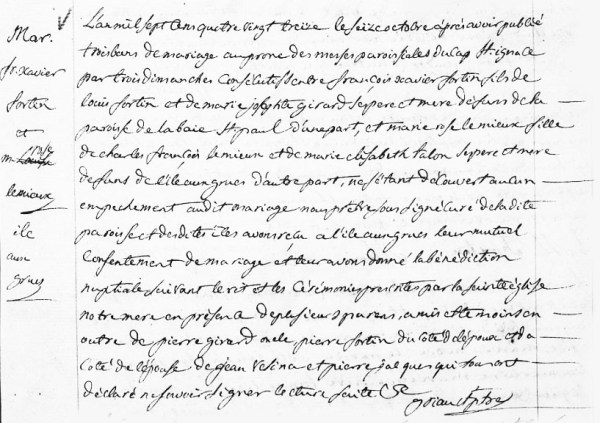
My third great-grandfather Francois Xavier Fortin (1755-1853) was born and baptized in Saint Pierre and Saint Paul church in Baie St. Paul and married Marie Rose Lemieux (1773-1853) at Saint Ignatius of Loyola Church in Cap St Ignace in 1793.
Marriage of Francois Xavier Fortin and Marie Rose Lemieux
Francois was a blacksmith and a farmer. While living in Cap St Ignace, they had two children. The births of their other nine children reveal that they moved four times over the years. I don’t know why they moved so often. Perhaps, the community required a blacksmith.
Their third child, Francois Xavier died in 1800 in St. Hyacinthe. Three more children were born in that community. Research does not enlighten us about the events that led to their next move. In 1808 they were living in Rigaud where their son Moyse Hypolite was born. The family settled in 1810 in the Seigniory de la Petite Nation in Montebello.
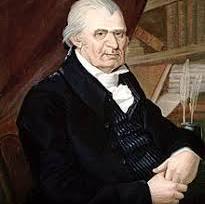
Joseph Papineau (1752-1841) became the first Seigneur de la Petite Nation in Montebello. He was a notary, surveyor, and landowner, who had bought land from the seminary in Quebec between 1801 and 1803.
Joseph Papineau -first Seigneur de la Petite Nation
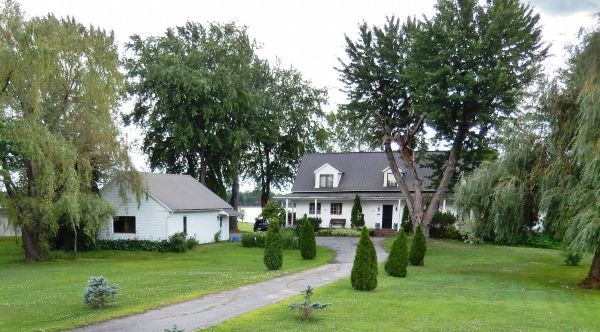
In 1810 Papineau sold land to Francois Xavier Fortin who built a home where the family finally settled in Montebello, Seigneury de la Petite Nation on the shores of the Ottawa River. For over fifty years the Fortin family farmed the land. Today this home is known as The Fortin House. It played a significant role in the history of the area.
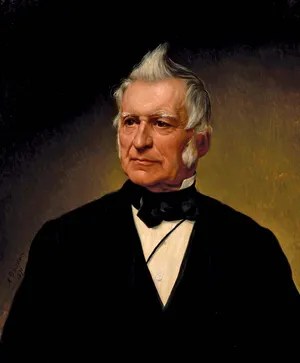
Louis Joseph Papineau
Joseph Papineau’s son Louis Joseph (1786-1871) purchased land from his father and began to build on the property. During the construction (1848-1850) of the Manoir Papineau, Louis Joseph and his family “borrowed” Francois Xavier Fortin’s home and they lived in his house while the manoir was being built. Changes were made to the Fortin house to accommodate the large Papineau family.
The Fortin House “borrowed by Louis Joseph Papineau
Louis Joseph had an interesting career as a politician, a leader of the Patriot movement, a speaker of the House at the National Assembly, and for a time, was exiled due to his involvement in the Rebellion of 1837.
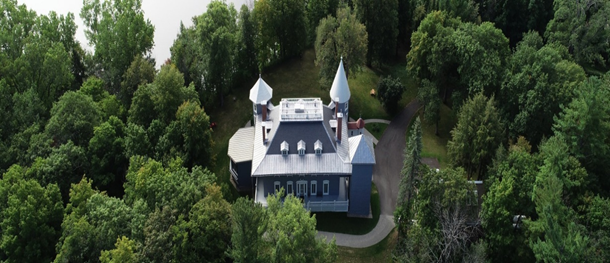
An aerial view of Manoir Papineau
The Manoir is situated on Cap de Bonsecours
Parks Canada manages Manoir Papineau.
It is a National Historic site.
Research does not tell us where Francois Xavier and Rose were living while the manoir was being built and the Papineau family were in the Fortin home, however, one might surmise that the Fortin children were married and living in the area. Perhaps, as was the custom at the time they cared for their elderly parents.
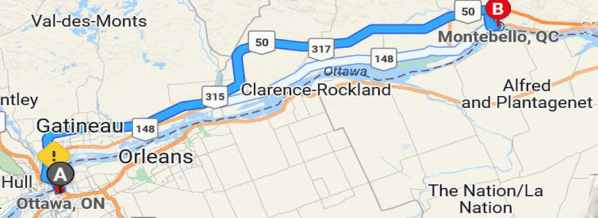
Route from Montebello to Ottawa
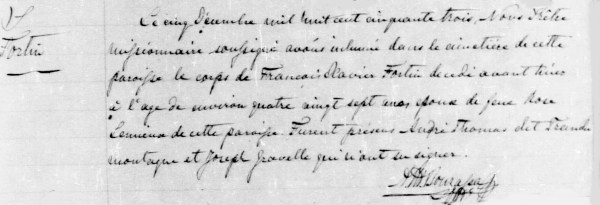
In November 1853 Rose passed away, and within two short weeks, Francois Xavier followed in December. Both are buried in the Notre Dame de Bonsecours cemetery in Montebello.
The Burial of Francois Xavier Fortin
In 1900 The Fortin House and surrounding farm were purchased by the Huneault family who continue to farm the land.
In the Part 1 blog of “Honesty Pays Off” In the following linkhttps://genealogyensemble.com/2024/05/15/honesty-pays-off/we learned of the first leg of my father’s trip to Finland in 1934. He sailed aboard the Empress of Britain and spent some time in London before embarking on the second half of his journey to Petsamo Finland where he was instrumental in opening a nickel mine.
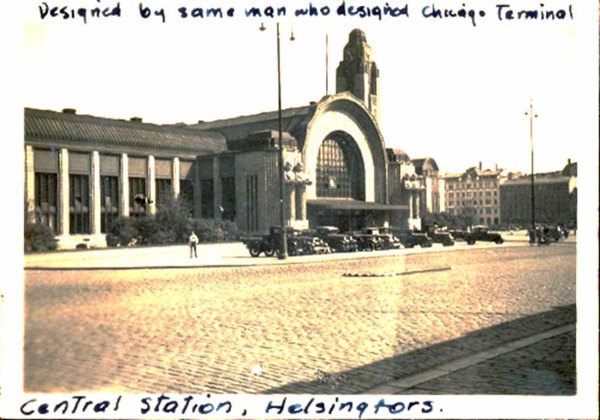
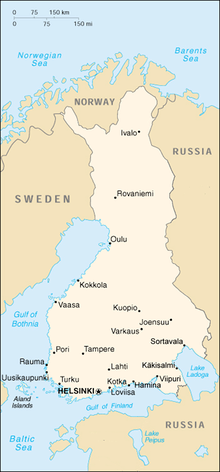
Once Mond Nickel had prepared all the necessary documents, my Dad set out from London to Helsinki, Finland, It would take two days by car, ferry, and train to reach Helsinki (where he most likely arrived at the station in the capital city of Finland.
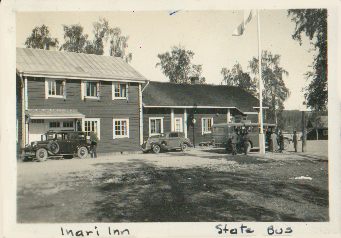
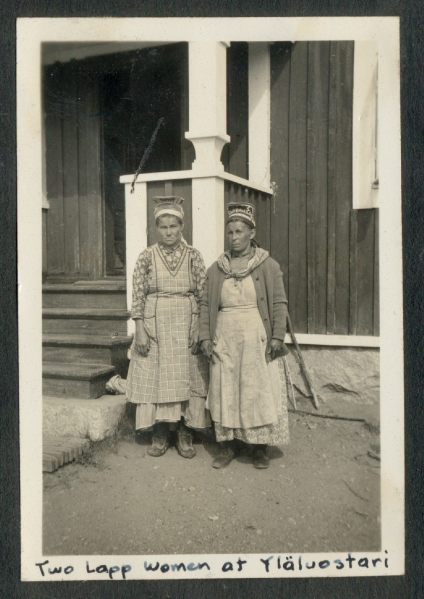
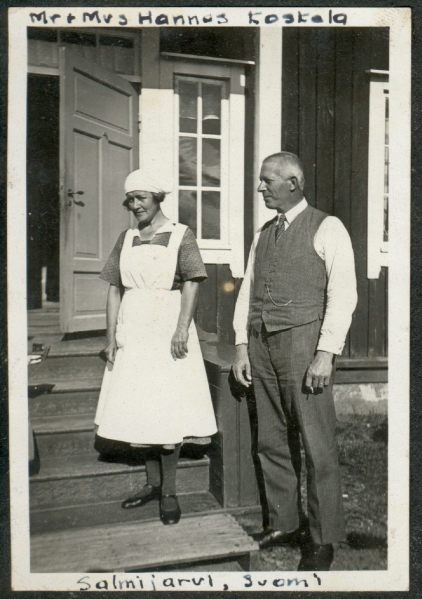
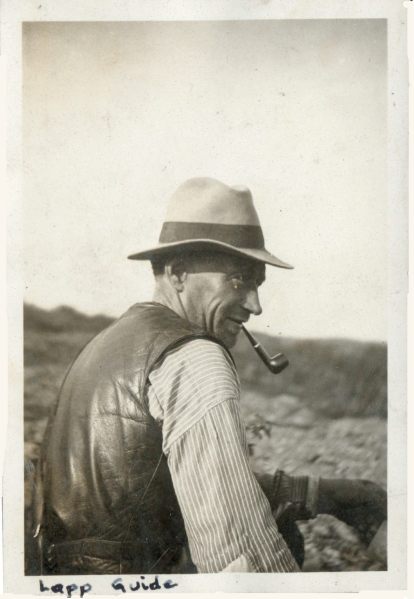
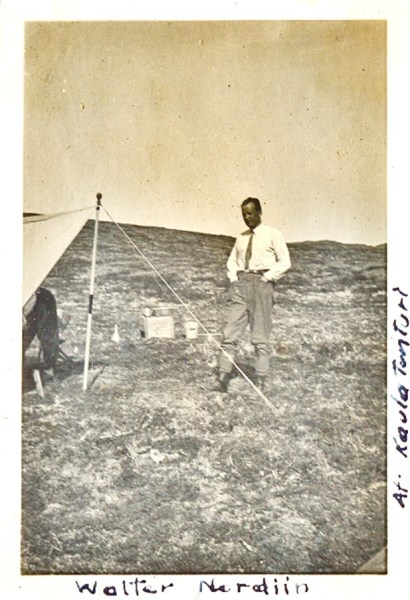
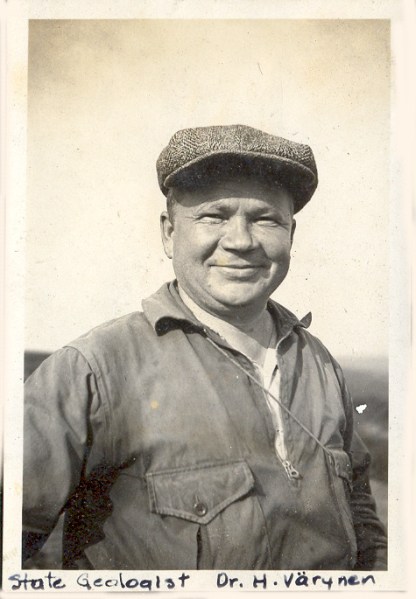
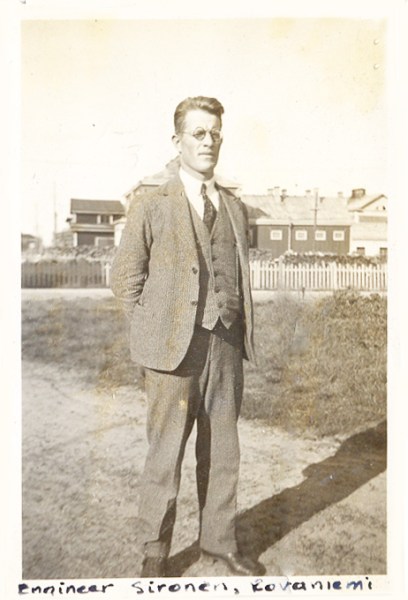
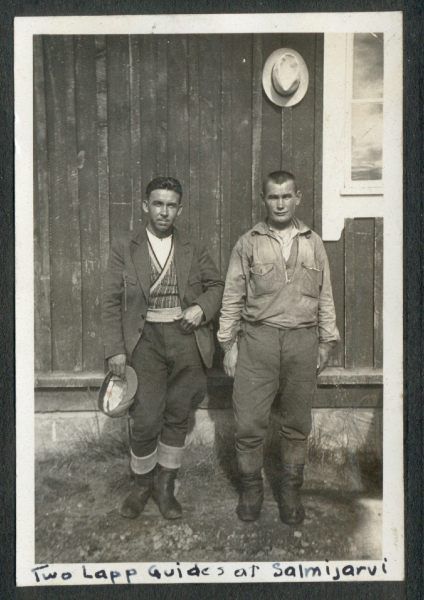
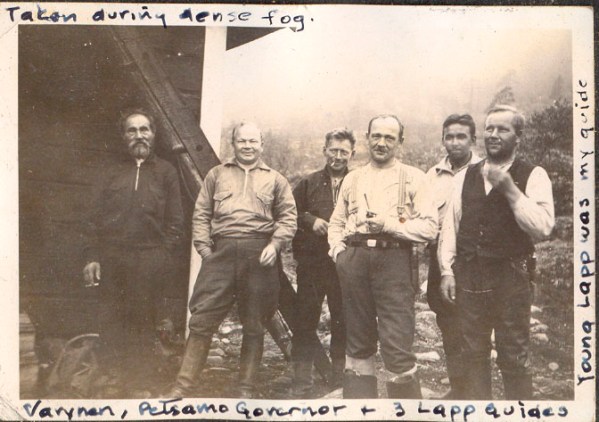
From Helsinki he headed to north through Lapland to the Petsamo area with numerous stops along the way. He took many photographs of the people he met and with engineers and workersthose who were involved in searching for the site to develop the mine, as noted in this photographic collection.
All the photographs in this blog were taken by Dad.
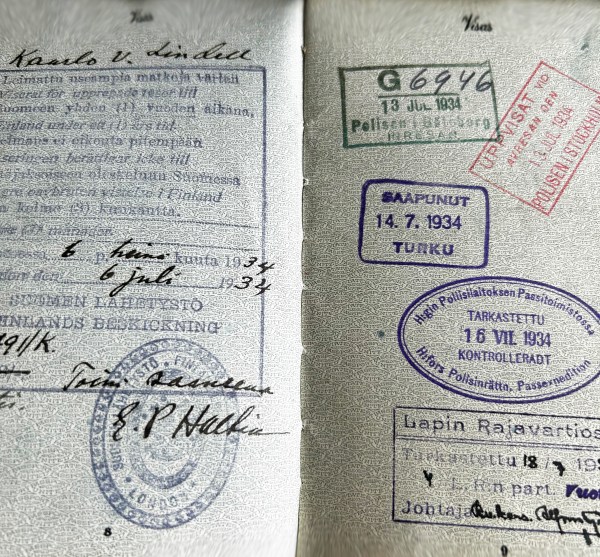
A page from Dad’s passport
State bus on the right.
Dad spent the entire summer of 1934 in northern Finland. In early September having accomplished the task set by Mond Nickel: that of opening a nickel mine in Petsamo. He then returned home to Canada.
The trip to England and Finland was the first of his many overseas trips. In some ways it may perhaps be the most important one of his forty year career as a mining engineer. (1930-1970)
Important Facts About Petsamo and the Nickel Industry in relation to Finland as noted in Wikipedia
Nickel had been discovered in 1921. In the 1930s Inco had invested several million dollars developing valuable nickel deposits in the Petsamo district of northern Finland. In 1934 the Finnish government awarded the mining rights to the British Mond Nickel Co , then a subsidiary of International Nickel ( Inco) that founded Petsamo. Nickel became commercially available in 1935.
“Petsamo nickel mine was the second biggest in the world.”
During WW2 (1941-1944 )the area of Petsamo was used for attacking Murmansk and then captured by the Red Army in 1944. In 1947 after the Paris Peace Treaty the area was incorporated into the Soviet Union and became known as Pechanga, As a result of this agreement Finland no longer had access to the Barents Sea, a body of water that did not freeze in wintertime. A huge loss for Finland.
In January 1929, my Dad drove west to Tiger, Colorado where Royal Tiger Mines had hired him. It was his first job after completing his engineering studies. He was employed there for a mere two weeks. His honesty cost him his job.
A page from the Mariner Harbor High Yearbook 1923
My Dad, Kaarlo Victor Lindell was born November 14, 1905, and grew up in Ashtabula, Ohio, the son of Finnish immigrants where Finnish was spoken in the home. He attended Ashtabula Harbor High School. He was a go-getter. He went about town reading meters, ran the projector in the local movie theatre, worked as an assistant cook on the ore boats on the Great Lakes, and consequently made his way to Houghton, Michigan where he graduated in 1928 as a Mining Engineer at Michigan College of Mines, now known as Michigan Technological University – MTI) in Houghton, Michigan.
Upon graduation he drove to Tiger, Colorado where he had been hired by Royal Tiger Mines. Below are two articles written about his very short time in Colorado.
Once more he set out on the long drive back east after contacting his Alma Mater in Michigan.. They suggested that the International Nickel Company (Inco) in Copper Cliff, Ontario had positions for newly minted mining engineers. His next goal was to head north in his 1928 Ford Model T to the Canadian Border where he entered Ontario, Canada January 31, 1929. It was the beginning of a stellar mining career that took him around the globe.
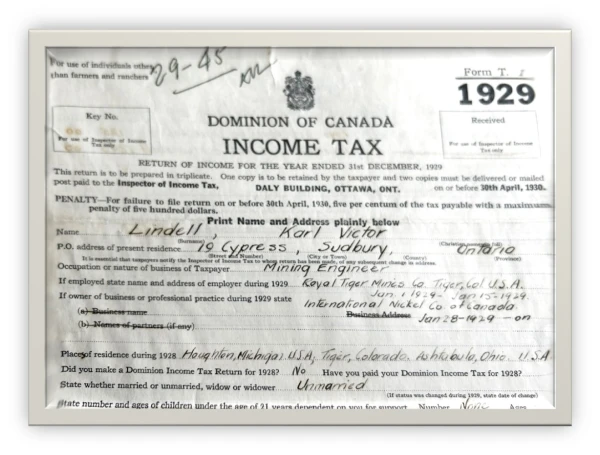
On Dad’s 1929 Canadian Income Tax form indicates the time he was employed by Royal Tiger Mines in Tiger, Colorado. Jan 1,1929 – Jan 15,1929
Times were difficult with the depression (1929-1941) looming on the horizon and employment at an all-time low, and certainly not the ideal time to be seeking a job. Dad was among the fortunate ones.
While driving back east from Colorado to Ohio, he must have imagined the path ahead. His future was before him. He had taken the necessary steps to secure another job.
He began working for Inco in the Sudbury area where the company recognized his work ethic and ability to speak fluent Finnish. In 1934 Inco seconded him to Mond Nickel an International company (England) with offices in London.1, The purpose of the trip: to explore the possibilities of opening a nickel mine in northern Finland. At the time, there were rumblings and talks of a war brewing in Europe, and nickel was deemed essential in manufacturing tanks and artillery.
Kaarlo Victor Lindell’s Passport
Dad being an American citizen had his United States of America passport issued in Toronto, Ontario June 25, 1934 before he departed for England and Finland.
The Empress of Britain .2
In June 1934 Dad set sail on the Empress of Britain and made his way from Southampton to the London offices of Mond Nickel. During his stay as the necessary arrangements were being prepared for the next leg of his trip to Finland he took advantage of this time to enjoy the city. He attended the famous Henley Regatta 3. and took the delightful photograph of people enjoying Trafalgar Square.
Once all the all the necessary Mond Nickel documents were completed Dad was ready to make his way to Helsinki, the capital located in the southern tip of Finland and then by car to Petsamo, one of the most northern villages in the country.
This trip to England and Finland was the first of many overseas trips to mining sites around the world. In many ways, it may perhaps be the most important one of his forty-year career as a mining engineer. 1930-1970.
To be continued in Part 2The Exploration Trip tp Finland
In the summer of 1948 one sunny afternoon, our dad called my brother, Paul, seven years old, and me eight, to hop in our 1947 black Ford. This did not seem unusual. Often on a Sunday afternoon, he would take us for a long drive around the Eastern Townships. However, this was not a Sunday. We both gave each other a quizzical look and wondered, “What’s up?”
Dad soon explained. We were on our way to the Richmond train station, about fifteen miles from home to meet an important person. “Who could this person be?” Our curiosity was aroused. Before long Dad had us reciting a Finnish greeting: “Hei isoaiti.”
We were on our way to welcome our grandmother.
As life would have it, this was the only opportunity I had to spend time with my grand-mother, Ida Susanna Karhu. She lived in Ashtabula, Ohio, far from Asbestos, Quebec. Over the years she visited her son, Karl, my dad, only twice. The second time in 1954 she visited the family with her third husband, Gust and his son, Elmer..
Ida was born in Isokyro, Finland in 1886 and emigrated at nine. In 1903 at sixteen, she married, Johan Hjalmar Lindell, nine years her senior. During their forty-one years of marriage, they had eight healthy children and their ninth child lived only 4 days.
Johan and Ida
Grandfather Lindell was a blacksmith with four forges and shod the horses of large brewery wagons that were drawn by these very large strong horses. With the advent of trucks, automobiles, and the Temperance League, circumstances forced him to close shop.
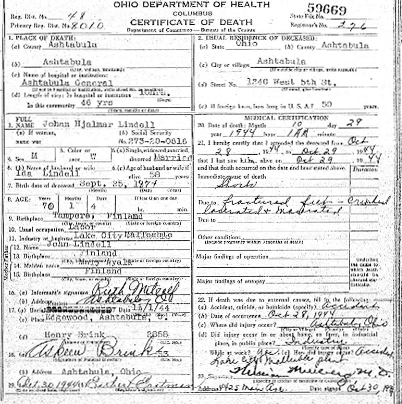
Johan began working in a munition factory. In October of 1944, he was tragically struck by a forklift and ultimately died due to his injuries.
Johan Herman Lindell’s 1944 death certificate
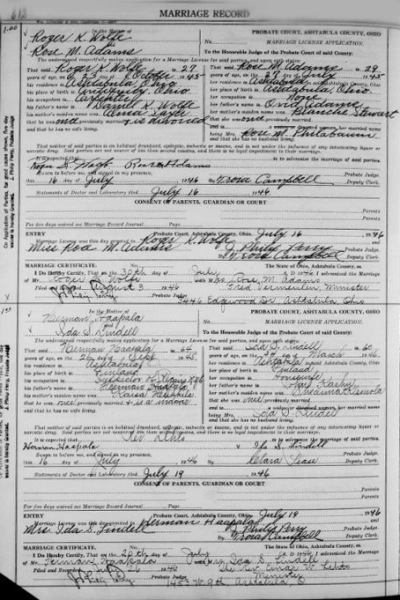
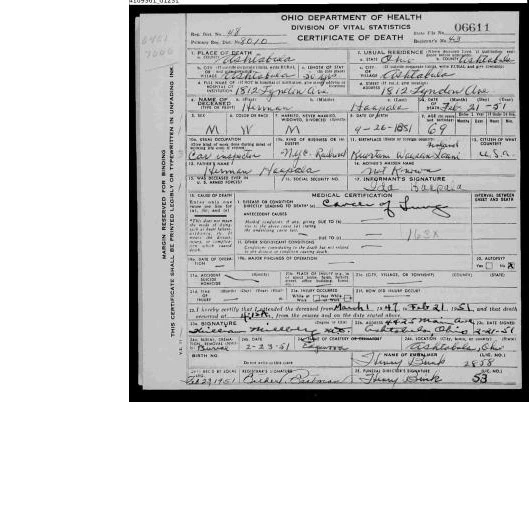
Two years after Johan’s passing in 1946, Ida married Heman Haapala from Ashtabula. He had been employed as a car repair man for the railroad company. They were both in their sixties and in good health. This allowed them to travel to Florida during the winter months. Alas! this union lasted a few short years. Herman died of lung cancer in February 1951.
Ida and Herman’s Marriage Record
Herman’s Death Record
Ida found herself a widow once more. However, not long after Herman’s passing, only after a few brief months, she met a Swedish dairy farmer from Cook, Minnesot, Gust Gustafson. He had been widowed twice. How they met is a mystery. Perhaps they knew one another from their traveling days. Together they embarked on their third marriage, June 16th of 1951.
Ida and Gust (circa 1952)
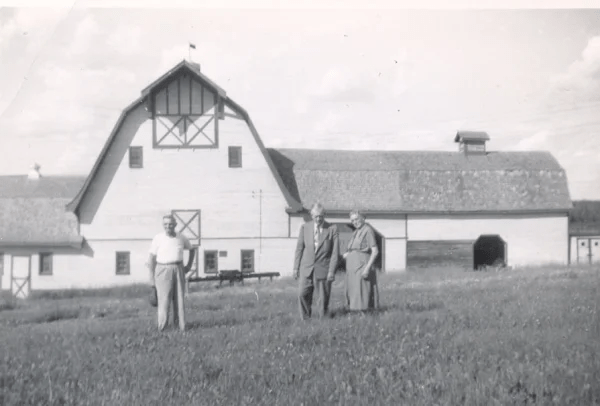
The dairy farm in Minnesota
In 1954 Ida, Gust, and his son Elmer visited Mom and Dad at their recently acquired farm in Asbestos.
Ida and Gust were together for many years. Just how many is a bit of a conundrum. At this point, I can only speculate as to the outcome of their marriage. I surmise that perhaps my grandmother decided to visit California. Her children, my Uncle Milton and Aunt Helen Lindell Lev had settled there with their families. Ida always enjoyed travelling and visiting her children.
Had she moved to be closer to family or was she visiting? While in California she died on December 17, 1967, In Belleflower. She was eighty-one years old at the time of her death and had led a full and interesting life. She had been active in the Ashtabula community, Bethany Lutheran Church, and the Ladies of Kavela, while raising her family, and in later years enjoyed travelling.
She is buried in Edgewood Cemetery in Ashtabula, Ohio beside Johan Hjalmar, her first love and husband of forty-one years.
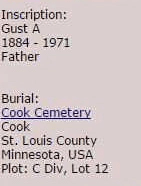
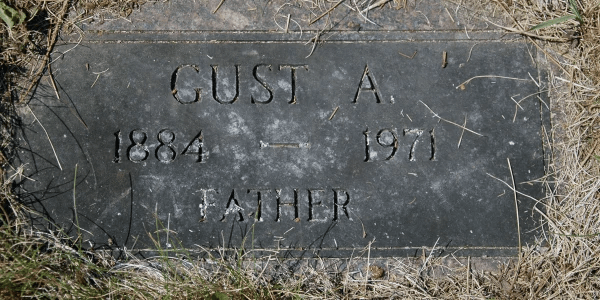
Gust Atiel Gustafson born in 1884 lived another 4 years after Ida’s passing. He died at the age of 86 in the spring of 1971 and is buried in Cook, Minnesota beside his first wife, Josefina
Below is a link to a previous story about Ida Susanna Karhu, my Finnish grandmother, written in 2017 for Genealogy Ensemble: “Sisu, Saunas and Ida Susanna”. More records about her life’s pursuits have become available since that first story was written.












 Genealogy Ensemble