It constantly amazes me how technology can influence where people live.
When I was examining the lives of my great great grandparents and their predecessors on my fathers’ side for instance, I noticed that their moves usually followed easier travelling circumstances.
In 1815, for example, a small settlement known as Bear Brook arose along the border of a small creek by the same name. The area is now in Russell County. Initially, settlers from Montreal used the waterway to get there. By 1820, a new road from Montreal replaced it to link then-Bytown (Ottawa) through Cumberland, Clarence Point, Plantagenet Mills, L’Orignal and Hawkesbury.
My great great great grandparents were among many French-Canadian families from Lower Canada who travelled along the new road to settle in the area in 1854 to farm.
There must have been some Irish among them too, because part of the community was renamed Sarsfield twenty years later to honour Irish hero Patrick Sarsfield.
By then, loggers used the old creek and to float timber to mills in Carlsbad Springs. They were still doing so when Gustave Hurtubise was born in Sarsfield in 1884. Gustave, the elder brother of my great great grandfather was the first child from our family born in the town. Two years later, our cousin Sévère D’Aoust built the Roman Catholic Church in the village where my great grandfather Jean-Baptist would be christened. That same year, the community lobbied for a local stop along J.R. Booth’s Railway line in 1886. They built a small building to entice Booth.
Jean-Baptist Hurtubise arrived in Sarsfield on February 16, 1889. His future wife, Marie-Berthe (known as Martha) Gourdine, was born in a neighbouring town, Clarence Creek, October 3 the same year.
The year the youngsters turned eight, the Old Montreal Road got paved and engineers constructed the Canadian Northern Railroad through Cumberland to Hawkesbury.
They were only 16 years old when the two got married in Clarence Creek on January 7, 1915
My grandmother, Anne Marguerite Hurtubise was born in the same town the following November. Her sister Donna came a year and a half later.
The family left Sarsfield and moved to Cluny, Bow River, Alberta, sometime between Donna’s birth in 1917 and the 1921 Canadian Census. By this time, the train was established across the country, so they and others took it to go west.
Somehow, the couple got land and a home. In 1921, the Census reported that 31-year-old Jean owned a farm with a three-bedroom wooden house on it.1 It was located in section 7, township 22, range 21, Meridian 4. His wife Martha and the two girls didn’t work.
Unfortunately, they arrived just in time for five successive droughts that we now know as the Prairie Dry Belt Disaster.
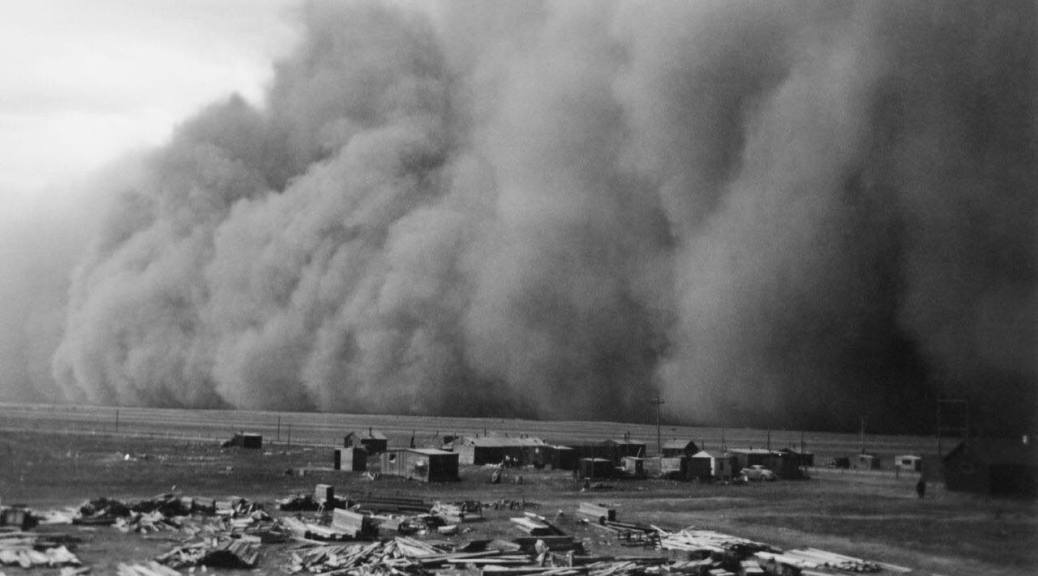
In 1931 and 1932 they suffered from the dustbowl, when top soil was so dry that it blew into homes.
Then the locusts came in 1933.
I grew up listening to stories about those times, but got a better understanding of what they faced when looking at the photos on a University of Saskatchewan website https://drc.usask.ca/projects/climate/.
My great great grandparents were among 750,000 farmers who had to abandon their farms between 1930 and 1935.
By 1938, the family had moved to Edmonton and my grandfather and his wife had to depend on the incomes from their daughters’ jobs, my grandmother as a nurse and her sister as a clerk, to survive.
1Data from the 1921 Census of Canada, Enumeration District 2, Bow River, Alberta, section 7, township 22, range 21, Meridian 4, page 6, line 28.
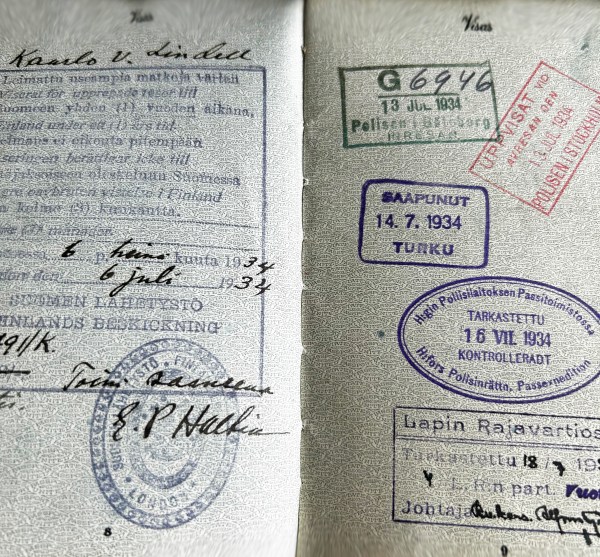
In the Part 1 blog of “Honesty Pays Off” In the following linkhttps://genealogyensemble.com/2024/05/15/honesty-pays-off/we learned of the first leg of my father’s trip to Finland in 1934. He sailed aboard the Empress of Britain and spent some time in London before embarking on the second half of his journey to Petsamo Finland where he was instrumental in opening a nickel mine.
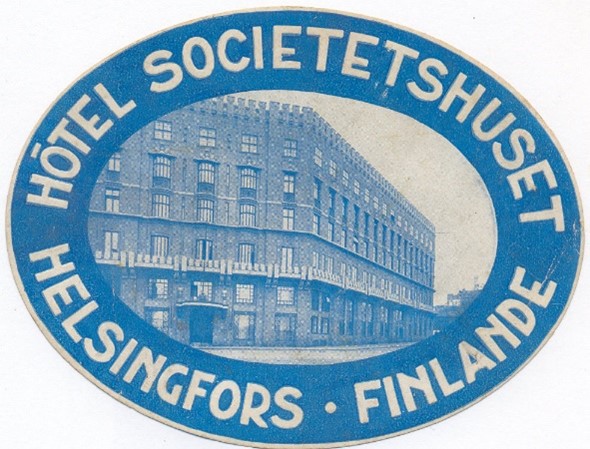
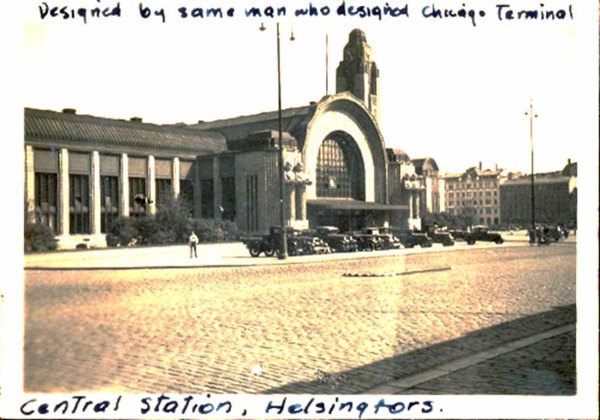
Once Mond Nickel had prepared all the necessary documents, my Dad set out from London to Helsinki, Finland, It would take two days by car, ferry, and train to reach Helsinki (where he most likely arrived at the station in the capital city of Finland.
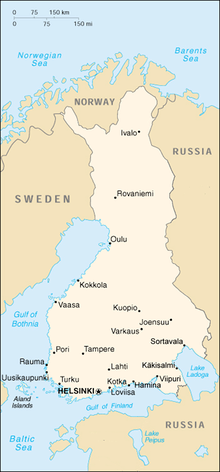
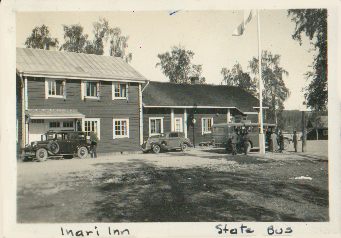
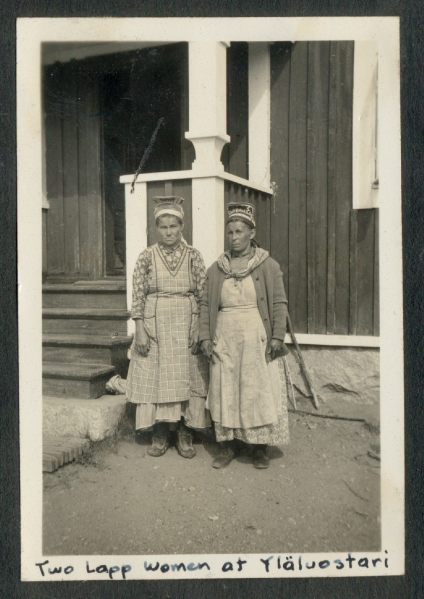
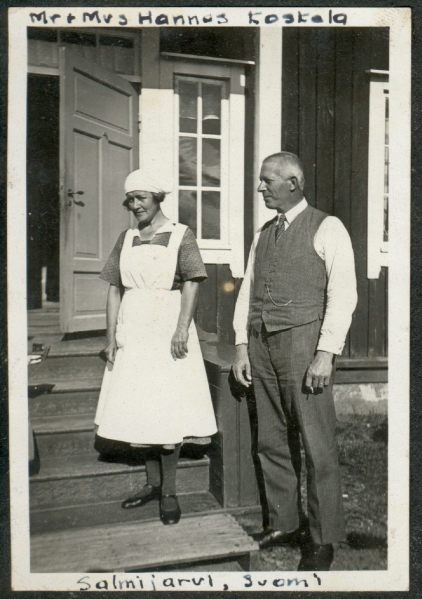
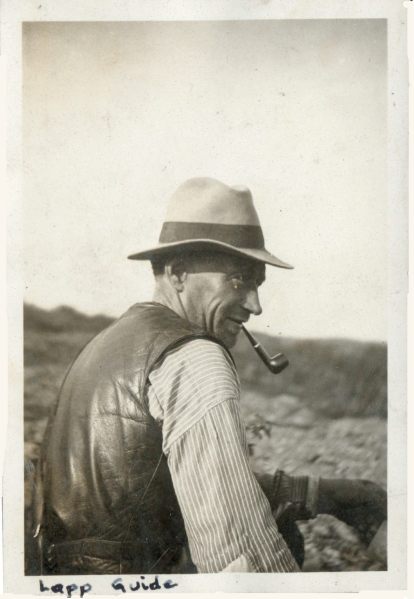
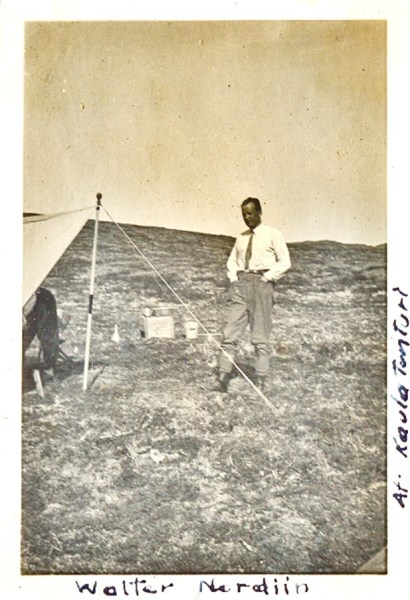
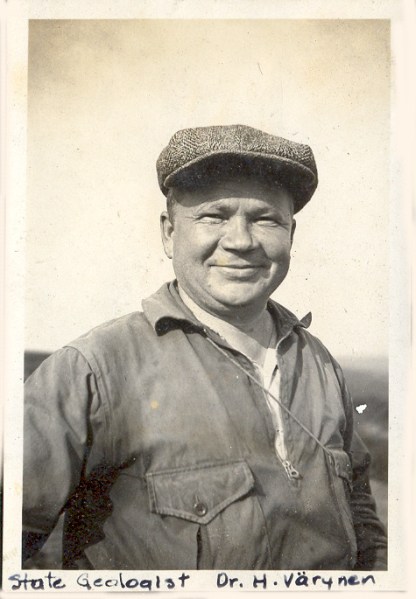
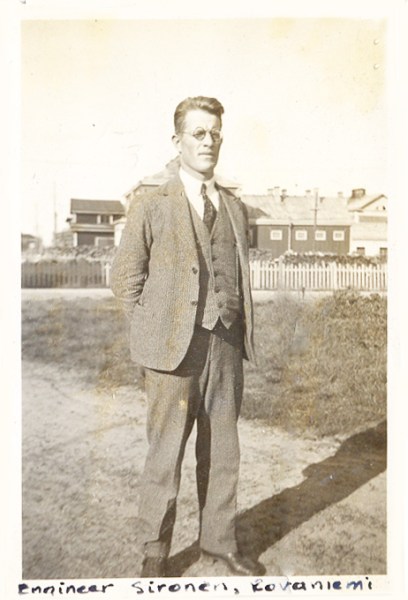
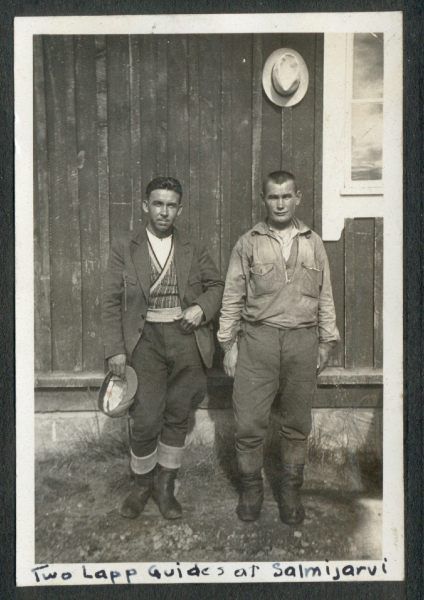
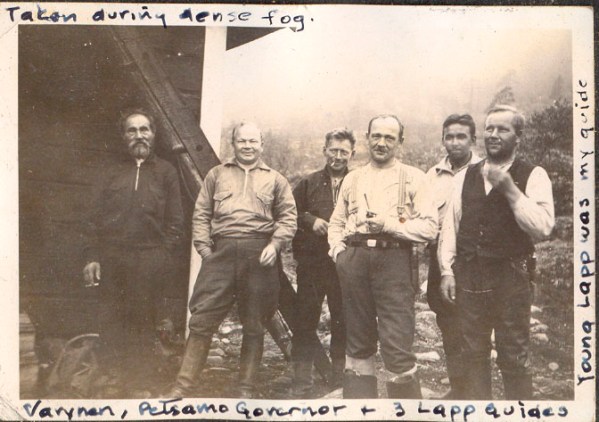
From Helsinki he headed to north through Lapland to the Petsamo area with numerous stops along the way. He took many photographs of the people he met and with engineers and workersthose who were involved in searching for the site to develop the mine, as noted in this photographic collection.
All the photographs in this blog were taken by Dad.
A page from Dad’s passport
State bus on the right.
Dad spent the entire summer of 1934 in northern Finland. In early September having accomplished the task set by Mond Nickel: that of opening a nickel mine in Petsamo. He then returned home to Canada.
The trip to England and Finland was the first of his many overseas trips. In some ways it may perhaps be the most important one of his forty year career as a mining engineer. (1930-1970)
Important Facts About Petsamo and the Nickel Industry in relation to Finland as noted in Wikipedia
Nickel had been discovered in 1921. In the 1930s Inco had invested several million dollars developing valuable nickel deposits in the Petsamo district of northern Finland. In 1934 the Finnish government awarded the mining rights to the British Mond Nickel Co , then a subsidiary of International Nickel ( Inco) that founded Petsamo. Nickel became commercially available in 1935.
“Petsamo nickel mine was the second biggest in the world.”
During WW2 (1941-1944 )the area of Petsamo was used for attacking Murmansk and then captured by the Red Army in 1944. In 1947 after the Paris Peace Treaty the area was incorporated into the Soviet Union and became known as Pechanga, As a result of this agreement Finland no longer had access to the Barents Sea, a body of water that did not freeze in wintertime. A huge loss for Finland.
In this article I refer to Robert Stanley Bagg by his middle name since it was the name by which he was best known. In other articles I have referred to him as RSB to differentiate him from his father, Stanley Clark Bagg (SCB) and his grandfather, Stanley Bagg.
My great-grandfather Robert Stanley Clark Bagg, or R. Stanley Bagg (1848-1912), was born with the proverbial silver spoon in his mouth, however, working in the family real estate business was not what he really wanted to do in life. It wasn’t until after he retired that he was able to follow his true passion: politics.
I never heard any family stories about Stanley, perhaps because he died several years before my mother was born. It wasn’t until Montreal’s two major English-language newspapers were digitized a few years ago that I learned about his various interests and activities. In fact, his name appeared in Montreal newspapers frequently, especially after the late 1890s when he became active in the Conservative party.
Portrait of Robert Stanley Bagg by Adam Sheriff Scott. Private collection.
Stanley was the second child of Montreal notary and land-owner Stanley Clark Bagg (1820-1873) and Philadelphia-born Catharine Mitcheson (1821-1914). The couple’s first child died before Stanley was born. Three younger sisters, Katharine, Amelia and Mary, were born in 1850, 1852 and 1854, and a fourth sister, Helen, arrived in 1861. Even as a child, Stanley must have been told that he would have a leadership role in the family, not only as the eldest, but also as the only male.
According to his obituary in the Montreal Gazette,1 Stanley studied law at McGill University and passed the bar in 1873. He then left Montreal for England, intending to further his studies, however, his father died unexpectedly in August of that year and Stanley came home. For a short time, he was in partnership with lawyer Donald Macmaster, sharing an office on St. James Street, in the old business heart of the city, but he gave up his legal practice to concentrate on the administration of his late father’s real estate. Nevertheless, throughout his life, Stanley identified himself as a lawyer or an advocate, a term used to refer to the practice of Quebec’s civil law.
The job Stanley undertook as administrator of his father’s estate was not an easy one. Montreal was growing rapidly, with thousands of new immigrants arriving, manufacturing, railroads and industries expanding and construction of new residences ongoing. The farmland that comprised the vast S. C. Bagg Estate, mostly located on the west side of St. Laurent Boulevard in a corridor north of Sherbrooke Street, increased in value as the city grew. Sales, mainly of residential properties, became a profitable business.
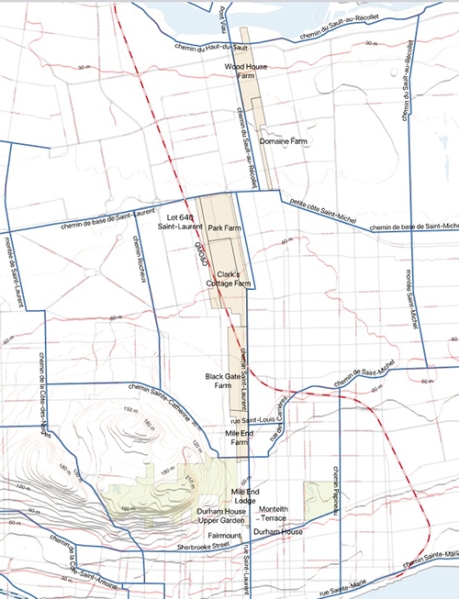
This map shows the extent of the late Stanley Clark Bagg’s properties, shaded in beige, in 1875, when an inventory was made of his estate. These properties are overlaid over a modern map of the island of Montreal. At that time, the actual city of Montreal was south of Sherbrooke Street, extending down to the banks of the Saint Lawrence River. The eastern slope of Mount Royal is adjacent to the Mile End properties. Map created by Justin Bur, based on two open data sources: physical geography from CanVec, Natural Resources Canada and modern streets from Geobase, City of Montreal.
Stanley does not seem to have been interested in developing and promoting housing or commercial real estate projects himself, but he did decide which pieces of land to subdivide into lots and he supervised sales. The Estate also rented small residential and commercial buildings, and some of the land was sold to the city for civic projects such as parks.
He encountered many unexpected headaches over the years. He had to ask the provincial government to pass a special law in 1875 to override a provision in SCB’s will in order to make the lot prices competitive.2 There were misunderstandings in 1889-91 over which properties were part of the estate and which belonged to the five children. And sister Helen’s husband disappeared under mysterious circumstances in 1897, owing the family large sums of money.
Although Stanley was the main administrator of his father’s estate, several family members acted as advisors. His mother had a great deal of input, and sister Amelia kept track of some of the property sales. When a major decision had to be made, family members got together to discuss it, or if that was not possible, they communicated through letters.
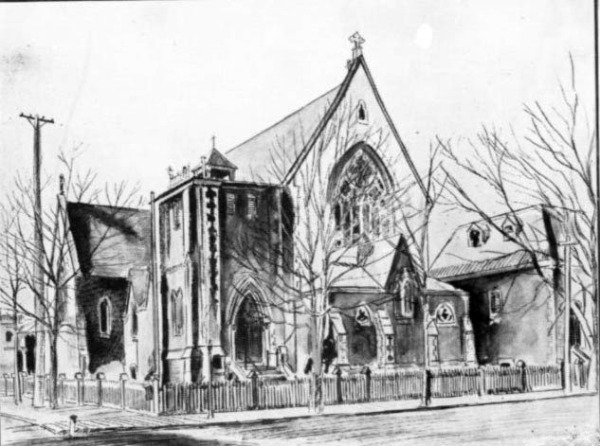
Robert Stanley Bagg and Clara Smithers were married in 1882 at St. Martin’s Anglican Church, on what was then the corner of Saint Urban and Bagg Streets. Bagg Street was later renamed Prince Arthur and the current Bagg Street is located several blocks further north. St. Martin’s never acquired a spire and it was eventually demolished. Image source: St. Martin’s Church, Historical Sketch of St. Martin’s Church : 1874-1902, Montreal, Canada, 1902?; Canadiana, https://www.canadiana.ca/view/oocihm.85997 Accessed June 14, 2023.
When Stanley announced his retirement as of January, 1901, his mother arranged to hire someone to succeed him, and she wrote Stanley a thank-you letter.3 She described her husband’s unexpected death as a calamity for the family, especially for Stanley who was “so young and inexperienced in the ways of the world.” She commended him for the “able, honourable and efficient manner” in which he had performed his arduous duties for 27 years. She added, “I am most anxious that you should have a complete rest from all the worry and anxiety that is unavoidably connected with the responsible position you have occupied for such a long time – and while personally I shall greatly miss you, I hope that your absence and a complete change will allow you to regain your usual health and strength.”
One activity Stanley found helped to restore his health was travel, especially ocean voyages. Perhaps he got the travel bug when he was 20 and spent a year exploring the highlights of Europe with his parents, his aunt and his sisters.
In 1875, Stanley visited England again with his mother and one of his sisters, and he returned to Europe with his new wife, Clara Smithers, on their two-month-long honeymoon in the summer of 1882.
In 1891, he and Clara spent an extended period of time in England, taking along their two young daughters. That year’s Census of England showed Stanley, Clara, the children, a governess and a cook staying in a lodging house in St. George Hanover Square, in central London. Ten years later, after his retirement, Stanley returned to Europe, this time touring for eight months.
While real estate management, legal training and travel seem to have been family traditions, so was military service. Stanley’s father had served in the military, and his grandfather had been a major in the 1st Battalion Loyal Volunteers during the Rebellion of 1837. His great-grandfather Phineas Bagg had served during the American Revolution ((1775-1783) before immigrating to Canada.
In 1877, the Canada Gazette reported that R. Stanley Bagg, gentleman, began his military service as an ensign with the 5th Battalion, Royal Fusiliers, Montreal. When he retired in 1882, he retained the rank of captain from what had become the Royal Scots Fusiliers. Although his military career was relatively short, it appears to have been a success. TheMontreal Star quoted the following article about Stanley that had appeared in the paper 30 years earlier:4
“There are few better-known figures in Montreal than Captain Stanley Bagg. He was an enthusiastic volunteer and belonged to the old 5th Royals before and after they had become a kilted regiment. At the time of the ship labourers’ riots in Quebec, when several regiments of Montreal were sent to restore order and liberate the regular garrison, who were practically prisoners in the Citadel, the 5th Royal Scots were marched up Mountain Hill and the honour of leading them was conferred by the colonel of the regiment on Captain Bagg owing to his height and commanding presence. Captain Bagg has always been an ardent supporter of and participant in athletic sports. A good rider and one of the old Dowell school of boxers, he kept himself in such first-class condition that he can stand almost any fatigue.”
I had read the letter written by Stanley’s mother about his retirement many years ago, and it had left me with an image of my great-grandfather as a tired and anxious man. This newspaper article made me realize that he had indeed once been a strong leader and an good athlete.
1. “R. Stanley Bagg Died Yesterday,” The Gazette, July 23, 1912, p. 4, accessed June 9, 2024.
2. “38 Vict. cap. XCIV, assented to 23 February 1875”, Statutes of the Province of Quebec passed in the thirty-eighth year of the reign of Her Majesty Queen Victoria, part 1, p. 474, https://books.google.ca, accessed June 9, 2024.
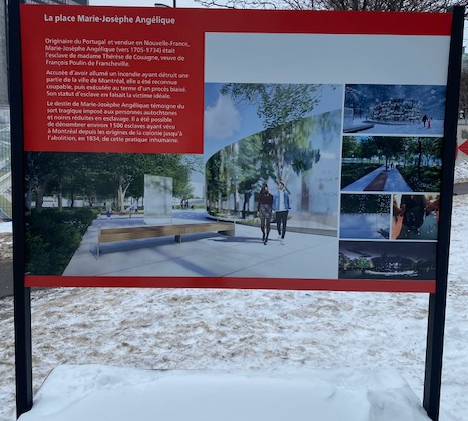
Since this story was originally published, the City of Montreal has added a poster next to Metro Champs de Mars to make it clear that Marie-Josèphe Angélique’s park will be within the Place de Montrealais!
Thanks to Annie for letting me know, and thanks for everyone who made sure that her story is not forgotten!
Original Story
For an hour on the first cold day of the year last month, I wandered around City Hall looking for the memorial park named after an enslaved woman whose torture led to her conviction for arson in 1734. She was then ridiculed, hanged, and her body was burned to ashes and thrown to the wind.
I couldn’t find it.
I’m not sure what happened from the time the park was created in 2012 to today, thirteen-and-a-half years later, but the one-time park still appears on Google Maps. In person, I couldn’t find anything to indicate where it might be.
According to various articles on the web, a green space just west of Champs de Mars métro station honours Marie-Josèphe Angélique’s memory. The official inauguration of the park took place on Aug. 23, International Day for the Remembrance of the Slave Trade and its Abolition, 2012.
As I walked through the area last month, the one-time park seemed to be encompassed in a massive construction site underway for Place des Montréalais, a new public space being created next to the Champ des Mars metro on Viger Street. The posters on site explaining the current project included nothing about Marie-Josèphe Angélique.
Despite being honoured with an award-winning film, a bronze plaque, lilies and a presentation by Governor General Michaelle Jean in 2006, and a public park created by the city of Montreal in 2012, she’s disappeared again.
Before this experience, I was already struggling to see Angélique as the symbol of freedom and resistance she serves for many, but I don’t want her to be forgotten. Did she set the fire or was she a convenient scapegoat? If she didn’t, who did? As I began exploring her story last month as part of a project for NANOWRIMO (the National Novel Writing Month), she served as a reminder of the kind of unnecessary suffering a biased political, policing and justice system can create. Despite the fact that she was a victim of slavery, hatred, spite, racism, class bullying and the worst that a mob could throw at her, her spirit remained strong and unrelenting.
Angélique proclaimed her innocence until the day she was tortured, throughout the court case, and through questioning. Despite that, three weeks after the fire, she was hanged, ridiculed publicly, then burned with her ashes tossed into the wind. Clearly, the authorities at the time wanted her punishment to be seen and remembered.
I read the details about Marie-Josèphe Angélique’s case on Torture and the Truth, a fabulous website set up in 2006 by multiple people, including one of my genealogical mentors, Denyse Beaugrand-Champagne and one of my historian mentors, Dorothy W. Williams. Both of these women have researched, written, spoken and taught many people about the history of Montreal and why studying it is so important.1
The site is one of thirteen different “historical cold cases” established for classrooms across Canada. It was created through the work of six writers, a photographer, an artist, and two translators collaborating with six funding agencies, seven production partners, and 15 archive and museum partners.
It is one of the best historical websites I’ve ever read. If you do nothing other than read through this site, you will get a good overview of the community, the victim arsonist, and life in early Montreal.
As I read about Angélique’s story, she sounded like just the kind of person anyone would like to get rid of. She was a woman who told people she would burn them alive in their homes. She said so to her owner for refusing to grant her freedom, to other slaves for making her work harder than she wanted and to others too. To anyone who slighted her, she threatened the worst thing she could think of. She would burn their homes down.
When 45 houses in her small community did in fact burn down, people blamed her. In retrospect, it may have been an accidental kitchen fire that caused the flames, but her words came back to haunt them all.
The fire began at 7 p.m. on a Saturday evening in spring, April 10, 1734. In only three hours, it destroyed 45 homes and businesses on Rue Saint Paul. Even the Hôtel-Dieu hospital and convent, where people initially took shelter, burned to the ground. Hundreds of people were left in the cold; supplies from many merchants burned, never to be seen again.
Plus, who knows how many caches of fur got wiped out. At that time, Montreal was the centre of the fur trade, more than half of which was illegal trading with the Dutch and English communities in Albany, Boston and other communities to the south. According to a 1942 thesis by Alice Jean Elizabeth Lunn, furs were stored in the backs of shops and even buried just beyond the Montreal wall, which was still under construction at that time, in order to be shipped without being seen by New France authorities. A lot of money went up in smoke that day.2
Everyone in Montreal knew about the fire, given that all the church bells throughout the city began ringing when it started and continued until it was over and people were safe again. Although stone buildings existed at the time, most of the buildings were made of wood; fire could destroy them all.
I had ancestors who lived in Montreal then, the Hurtubise clan on my father’s mothers side. One of them, Jean Hurtubise, the grandson of Étiennette Alton and Marin Hurtubese, was thirty-nine years old, ten years older than Angélique when the fire took place. He and his wife Marie-Jeanne (Marie-Anne ou Marianne) Tessereau had been married for seven years in 1734.
Jean was born in Ville Marie and lived in Montreal for his entire lifetime, so he and his family would have experienced the fire, at least from a distance. They certainly would have seen the ordinance compelling witnesses to appear, given that “it was posted and cried out everywhere in the city and its suburbs.”
Jean and his family farmed a 3×20 arpent property they bought three years earlier from Raphael Beauvais and Elisabeth Turpin on Rue Côte Saint-Antoine.”3 The property was in a part of Montreal that was considered the countryside at that time. Their home was then one of four wood houses on Côte Saint-Antoine in 1731.4
Given that the area was still very rural, and on a major hill, I can’t help but wonder. Did they see the smoke rising into the sky as the hospitals and 45 other buildings in Ville Marie were destroyed?
They certainly had strong links to Ville Marie, particularly the hospital. His grandmother, Etionnette Alton, had died there in her 84th year twelve years earlier. They couldn’t have helped wondering what would happen to others like her, being treated in the hospital that the fire destroyed. Were they among the crowd clamouring for revenge? Did they go to Ville Marie to see Angelique hanged? Did they watch her corpse burning? Did they see her ashes spread into the wind? Did they care at all?
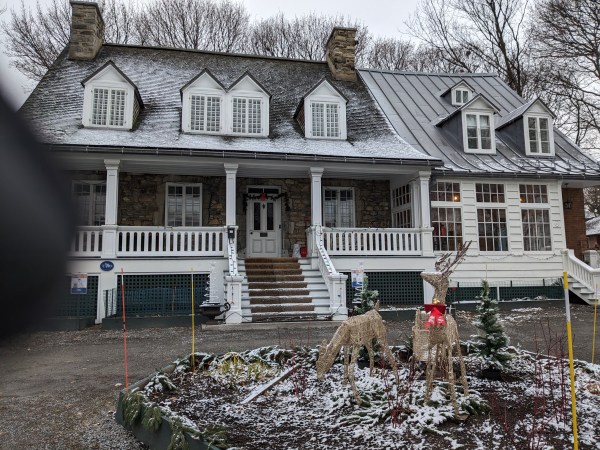
I can’t help but imagine that the controversial hanging effected all 2000 people who lived on the island that year. Five years after Angélique’s death, Jean built Hurtubise House, a storey-and-a-half fieldstone structure on land originally rented by his father in 1699 on Mount Royal. The family built the gabled home out of stone to protect themselves from fire, as required by a law passed the summer after Angelique’s death. You can still visit the home today.5
Sources
1 Beaugrand-Champagne, Denyse, Léon Robichaud, Dorothy W. Williams, Marquise Lepage, and Monique Dauphin, “Torture and Truth: Angélique and the Burning of Montreal,” the Great Unsolved Mysteries in Canadian History Project, 2006, https://www.canadianmysteries.ca/sites/angelique/accueil/indexen.html.
3 Roy, Pierre-Georges,, Inventaire des greffes des notaires du Régime français, Québec, R. Lefebvre, Éditeur officiel du Québec, 1942, 28 vol. ; 25-27 cm, Collections de BAnQ.
When Helen Frances (Bagg) Lewis and her husband Edward travelled from Shanghai to Canada in 1900, they took a circuitous route through India, sightseeing along the way. In a travel journal written 25 years later, Helen described the highlights of that trip, including three frightening encounters with snakes.
Helen was my great-grandfather Robert Stanley Bagg’s youngest sister. She and Edward lived in Shanghai for several months in 1899. They even considered staying there, but decided instead to relocate to Canada’s west coast, rather than return to their hometown of Montreal.
They left Shanghai aboard a P&O steamer and explored Hong Kong for a month before taking a second-class cargo ship to Ceylon (now Sri Lanka), arriving in Columbo on New Year’s Day, 1900.
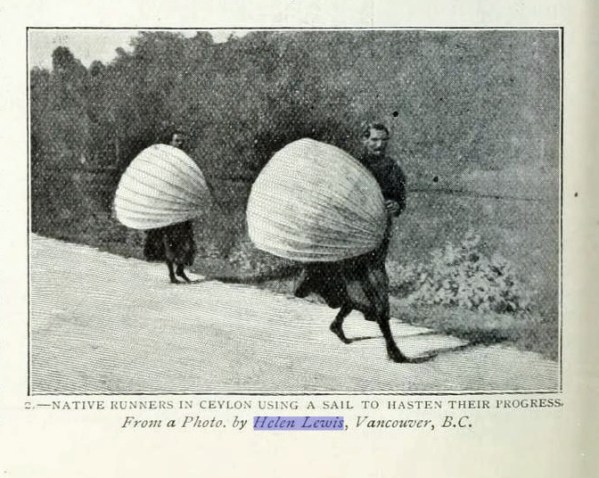
Helen Lewis’s photo of runners in Ceylon was published in Wide World Magazine.
Their first stop in India was in the southern city of Madura, and Helen wrote that the timing of their visit was perfect.
“It happened to be a gala day at the Temple of Madura, so all the sacred elephants were out in procession, bedazzled with garlands of flowers and state paraphernalia. The procession over, we were allowed to mount a couple of them, and never shall I forget my first experience of riding on the back of one of those stately animals….”
Luck was with them again in Puri, a city famed for what Helen called the “Juggernaut” Temple, an elaborate Hindu temple dedicated to the deity Jagannath. But seeing the dirty exterior of the bungalow where they had arranged to stay, Helen felt disappointment.
Her spirits “sank to zero” when she realized that the rustling they heard came from a nest of cobras on the roof. While inspecting the property further, she encountered a government officer, Major H.. The only white man in the district, he was so pleased to meet some English-speaking people that he invited them to stay with him for three days.
Early in the morning of their last day in Puri, a messenger arrived with the news that a tiger had entered a nearby village and carried off a woman. “Major sahib” was asked to immediately go and kill the animal. Both the major and Edward agreed, leaving Helen in the house with a number of servants, none of whom spoke English.
She decided to explore the rambling bungalow and found herself in the “snake room,” where the major kept an enormous collection of “vicious reptiles in tanks and cages, for scientific purposes. At my entrance, these monsters almost simultaneously rose up and hissed at me, so that my retreat was by no means leisurely.” She was much relieved when the two men returned after a successful hunt, and she noted in her journal that she still treasured the tiger’s claws, a souvenir of their visit.
From Puri, the couple continued by train to Calcutta and Darjeeling, where they were thrilled to view the Himalayas in perfectly clear weather. They then moved on to the sacred city of Benares, on the banks of the Ganges River.
In their next destination, Lucknow, Helen experienced “a narrow escape from a venomous cobra who was coiled up on the stone parapet, enjoying his noonday siesta.”
“On bending over the parapet to peer down, I accidentally touched his head, when he reared and stretched out his neck to strike. Terror lent me wings and I made for shelter. The driver was as keen as I to move on, as the Hindus consider it desecration to kill any animal, and I urged him forward fearing lest Edward — who was on the beach below, photographing sun worshippers, — might return at that moment and insist upon starting off on a cobra hunt. As it happened, I did not say a word about the episode to him until some days later in Agra, where I met with my second cobra adventure.”
Helen found Agra and its famed Taj Mahal interesting, but her encounter with the snake was even more memorable.
“Whilst driving close to the river one afternoon, one of our wheels must have grazed his slumbering body, for suddenly sprung to his full length, he struck with such force at the hood of our open gharry [a horse-drawn cab] as to hit the brim of my broad sun hat, and send it forward over my face. Luckily at the moment I did not realize what a narrow escape I had had.”
Over the next few weeks, the couple continued their explorations. Finally, in March, they sailed from Bombay, through the Suez Canal to Venice and Trieste. From there, they made their way via Paris to Cherbourg and crossed the Atlantic to New York. Edward continued to Vancouver to arrange for their new home, while Helen stopped in Montreal for several weeks to visit family and friends.
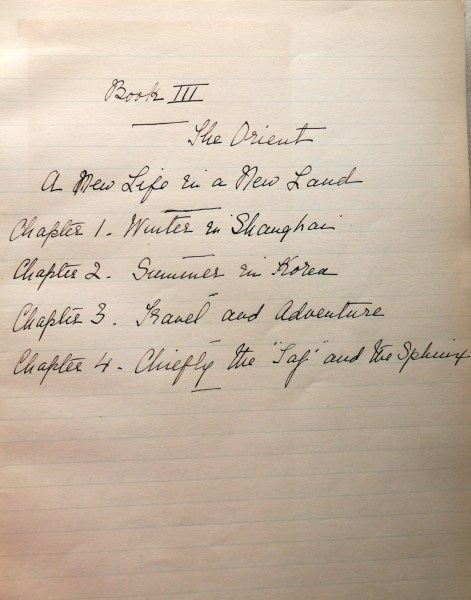
Note: This account is part of a series of journals Helen wrote later in life, handwritten in black ink in a lined, leather-bound book. These excerpts are from Book III, The Orient: A New Life in a New Land. She did not complete this volume and I do not know whether the others have survived. This one now belongs to a descendant of Helen’s niece, Ada Lindsay.
After Stanley Clark Bagg (1820-1873) and his family returned home to Montreal from a year-long trip through Europe in 1868-1869, he wrote a small book about some of the places they had visited. Published in 1870, he called it Continental Notes for Private Circulation.1 The irony is that, 150 years after this book appeared, it is far from private: it can be found in university libraries, and it is also available on the Internet.
Continental Notes highlights 20 of the places the Bagg family visited, including Paris, Venice, Strasbourg, the Rhine River, Waterloo, the ruins of Pompeii and the French Riviera.
I was excited to find a copy of this little book on an open circulation shelf at McGill University a few years ago. I had read a lot about my great-great-grandfather, but I hoped to get to know him a little better by reading his own words.
At first glance, the book seemed dry and impersonal. This was disappointing, considering that SCB and his wife, Catharine, had made the trip with his sister-in-law and five children, ranging in age from seven to 20. The trip was no doubt considered an essential part of the children’s education. Surely there must have been some surprises or amusing incidents along the way that he could have described. But SCB explained in the introduction that the book was based on his personal notes, some of which were written before they even left Montreal. And this was a man of the Victorian era who had a reputation for being conservative, at least in politics. As a member of Montreal’s elite, his writing style was no doubt appropriately reserved.2
On closer reading, however, it became clear that Continental Notes reflected his personal interests, which included history (especially the Roman Empire and the early history of Christianity) and archaeology.
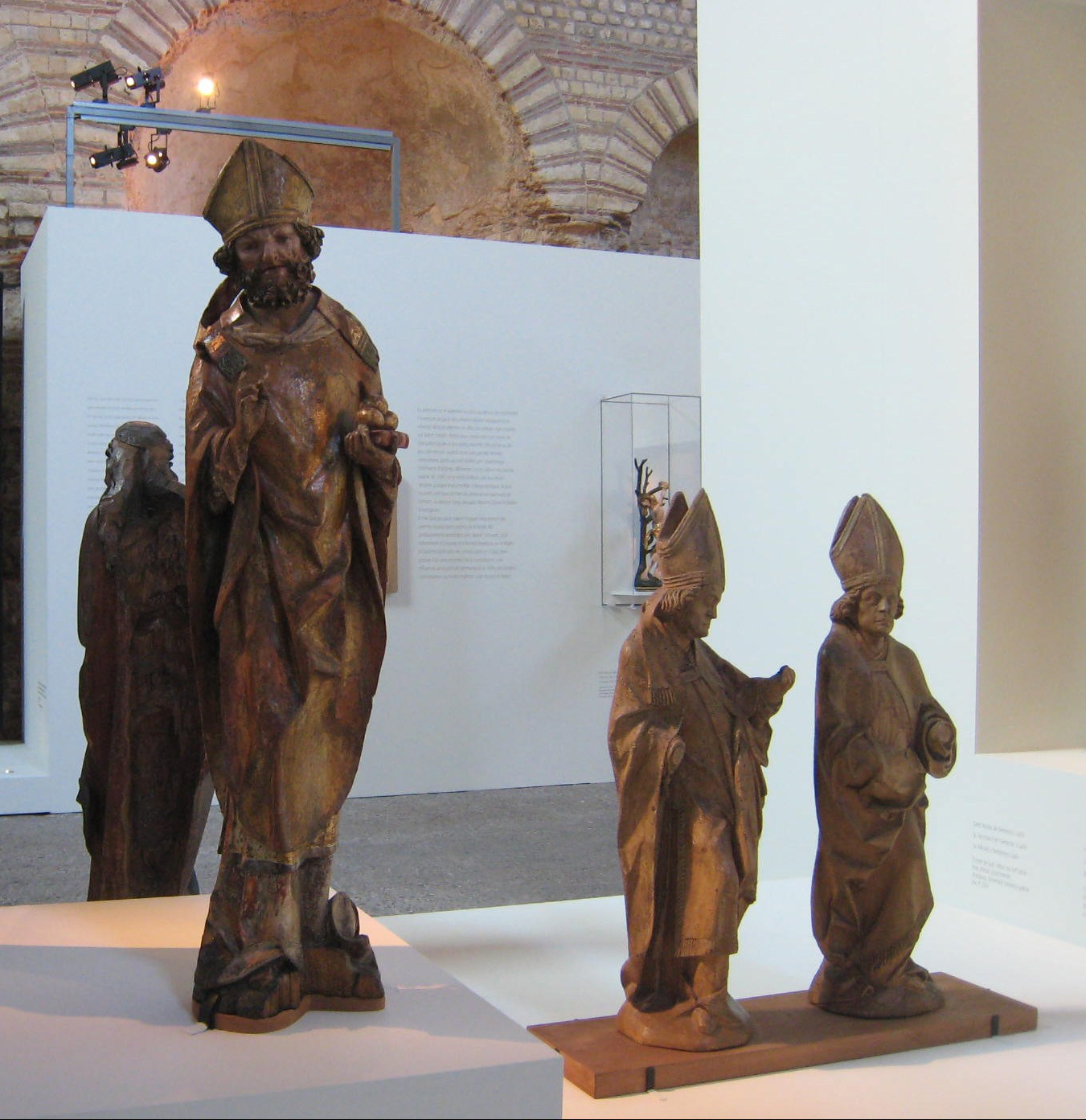
The Musée de Cluny, also known as the Musée national du Moyen Âge, is in the Latin quarter of Paris. JH photo
In the two pages he wrote about Paris, he gave more space to the Hôtel de Cluny, which he called “one of the finest remains of the ancient mansions of Paris of the 16th Century” than he did to the Louvre. He added that the Palais des Thermes, once the residence of the Roman Governor of Gaul, was connected to Hôtel de Cluny and housed a collection of antiquities that was open to the public. That museum of medieval art is still there, so when my husband and I visited Paris in 2010, we visited it. One of the treasures it houses today is a famous series of tapestries, The Lady and the Unicorn.
One of the other spots SCB visited was Hyères, a town located near the Mediterranean coast of France, between Nice and Marseilles. He mentioned its warm winter climate, which may have been one of its attractions, and went on to write, “The environs of Hyères abound in vineyards and olive gardens.… This reminds me of the good Samaritan who poured oil and wine into the wounds of the man that fell among thieves. Who can walk through these pleasant vineyards without thinking of our blessed Lord when he said, ’I am the true vine, and my Father the husbandman.’”
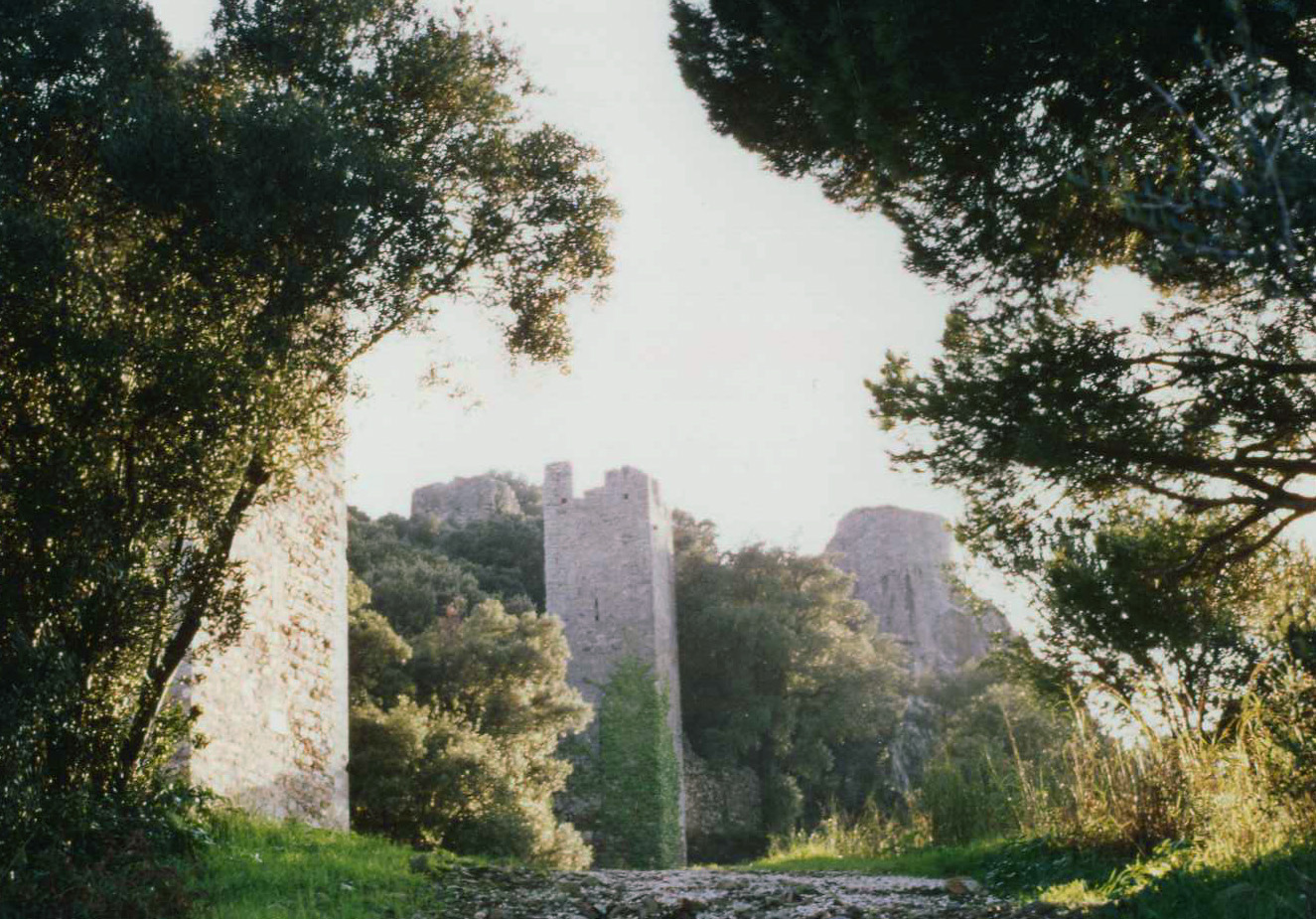
The castle ruins, Hyères. JH photo.
Forty years ago, long before I knew anything about Stanley Clark Bagg, I spent a month in Hyères, taking classes at a French language school there. Hyères was not the area’s most attractive town and I wondered what my great-great-grandfather would have found of interest there. Then it occurred to me that, besides the weather, he was probably attracted by the ruined medieval castle. SCB noted, “The ruined walls and towers of the Castle of Hyères stand on a hill above the town. It is probable that this Roman fortress dates as far back as the sixth century.” I walked up to the ruins one afternoon, but was not as excited about the castle as he was.
Many years later, I came across some notes that probably referred to that European adventure. Someone had put them in the Bagg family Bible, perhaps so they wouldn’t get lost.3 The notes reveal that the family not only visited France, Belgium, Prussia, Switzerland, Italy and the Papal States, but also Ireland, Scotland, England.
These little reminders probably reveal as much of SCB’s attitude on the road as his book does, and most of them remain good advice 150 years later:
Do not fill trunks, nor take too many. Look after luggage.
Read up references, prepare routine, currency, etc.
Staterooms on ships near stairs, seat at table near Captain.
Do not leave bills, business until last minute.
Be at boat or cars at least 15 min. early.
Never give up passports.
“Fee” the steward, etc. when you go on board — more attentive.
Take what clothing you may require for voyage in a carpet bag — trunk may be too large for admission to staterooms.
Seasickness: Norton’s chamomile Pills. 10[?] drops in brandy, mixed with water. Adults, children in proportion.
Deposit office for articles in all [railway] stations in Eng. Ire. Scotland. A penny or two. Check given, office responsible for loss. Great convenience.
This article is also posted on http:writinguptheancestors.blogspot.com.
SCB’s most personal writing is probably his poetry. The title, Leisure Moments, seems something of a misnomer, however, given that this small collection of poems he had printed in 1871 features melancholic themes such as grief for deceased loved ones and assurances of a beautiful afterlife. Leisure moments [electronic resource] : a few poems, by Stella [i.e. Stanley Clark Bagg], Bagg, S. Clark. Montreal, 1871 https://catalog.hathitrust.org/Record/100248153 (accessed Jan. 5, 2020.)
I found these notes in the family Bible at the McCord Museum, Montreal, and copied them then, but when I looked again a few years later, they were no longer there.
When Stanley Clark Bagg (SCB) and his father, Stanley Bagg, of Montreal, visited England in 1842, they were combining business and pleasure. The business involved selling property that SCB’s maternal grandfather had owned in Durham, England, and the pleasure involved a whirlwind tour of London, Scotland, Ireland and France, as well as visits with various great-aunts and great-uncles who still lived in England.
It was a good time for a trip: SCB had just finished a four-year apprenticeship with a notary and could now practice as a notary himself. It made sense to travel before he opened his own office.
A few months after his return to Montreal, SCB wrote to his cousin in Philadelphia, outlining the trip. Unfortunately, he did not include any details or impressions of their adventures, but the list of places they visited sounds exhausting. Passenger rail services were expanding in England at the time, but much of their travel would have been done by horse-drawn coach.
Crossing the Atlantic, however, was fast. The age of the trans-Atlantic steamship had arrived in the 1830s, and SCB wrote, “We made the passage to Liverpool from Halifax in the incredible short space of nine days and six hours, which was I believe the shortest passage ever made across the Atlantic. From Liverpool we went to London, thence to Leeds, Manchester, Birmingham, York Darlington, Durham, Stockton, Sunderland, Newcastle, Shields, Tynemouth, Otterburn …. ”1
As they moved north to Scotland, they passed though many small towns, including Lesmahagow, and they explored both Glasgow and Edinburgh. On the way back to London, they stopped in Carlisle, in the north of England.
After a few days in London, they crossed the Channel to France, where they visited Boulogne, Paris, Versailles, Le Havre and several other spots before returning to London. SCB wrote, “We left London shortly afterwards for Ireland, and having visited Kingstown, Dublin and Kilmainham, returned to Liverpool, where … we embarked on board a steamship and after a boisterous passage of 14 days arrived at Boston exceedingly gratified with our tour.”2
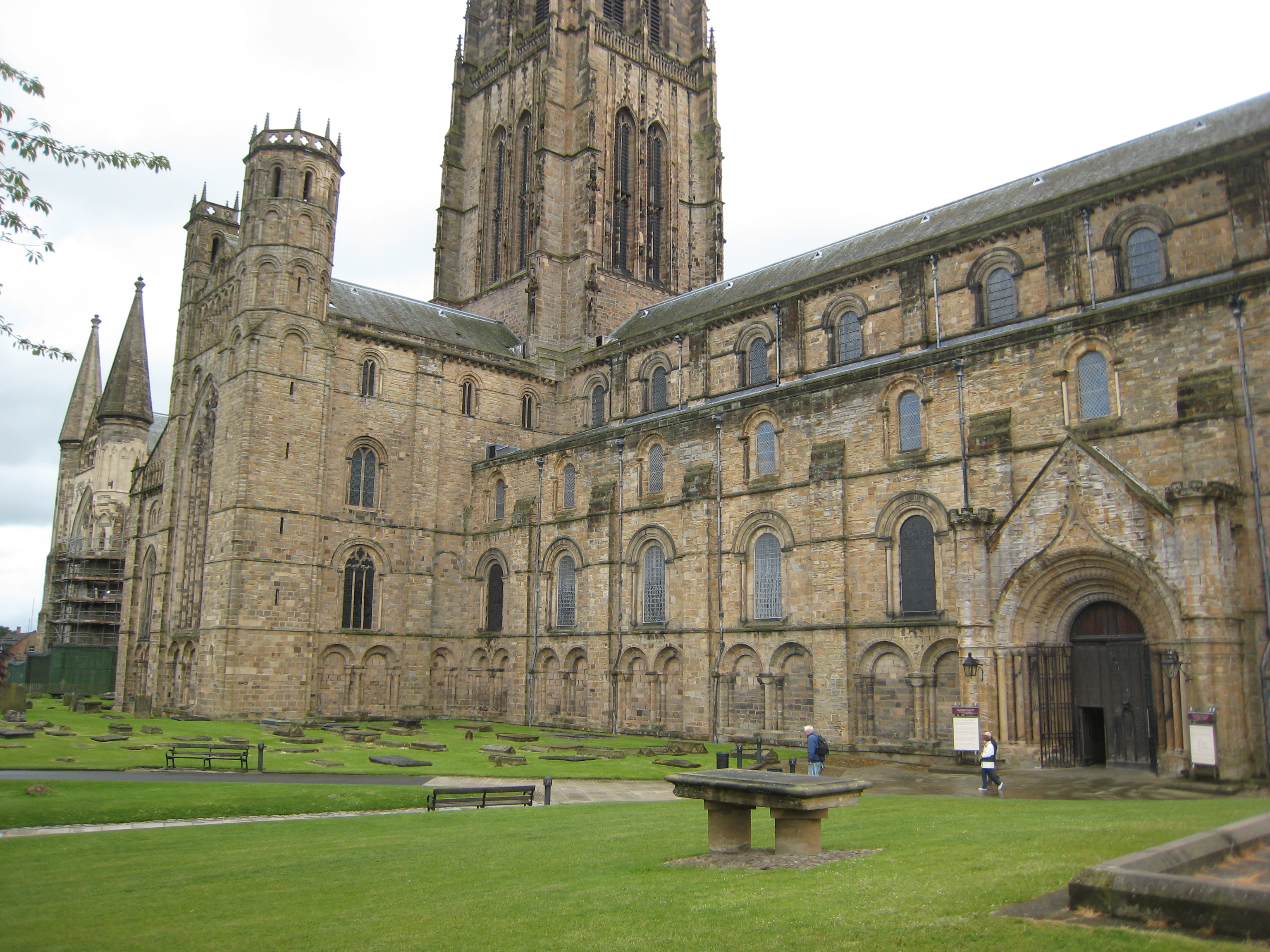
Durham Cathedral (jh photo)
Anchor-maker William Mitcheson, brother of SCB’s grandmother Mary Mitcheson Clark, lived in London, and the Baggs visited him there. While in County Durham, they visited more Mitcheson relations, including Mrs. Dodd (Mary Mitcheson’s sister Margaret) near Ryton, and Mrs. Maugham (Mary’s sister Elizabeth) at Sunderland.
It is clear that the visit to Durham was the highlight of the trip, but not because of the business they finalized there. In fact, SCB did not mention it at all in his letter. When SCB turned 21 in December, 1841, he gained control over the properties in Montreal and Durham that he had inherited from his grandfather John Clark (1767-1827). (He was just 14 when Clark died, so his father acted as executor of the estate until SCB became an adult. The property in Durham was generating rental income, but SCB wanted to sell it. In a notarized document dated after their return to Montreal, SCB’s father listed the sales of three properties in Durham.3
Meanwhile, SCB was interested in ancient legends, old coins, Norman castles and the like, and was enthralled with Durham. More than 20 years later, he presented a lecture to the Numismatic and Antiquarian Society of Montreal on “The Antiquities and Legends of Durham.”4
He described the legend surrounding the founding of Durham city by 9th century monks. When Danes attacked England’s northeast coast, the monks fled their monastery on the Island of Lindisfarne with the miraculously well-preserved body of their former bishop. Eventually they built an abbey at the future site of Durham city and buried him there. Today, that bishop is remembered as Saint Cuthbert and pilgrims still visit the abbey church, Durham Cathedral.
In his 1866 lecture to the Numismatic Society, SCB opened up about his feelings on the trip. He recalled, “The first time I had the privilege of attending a divine service in Durham Abbey, I was enraptured with the sweet and masterly chanting, unsurpassed in the empire. My father and I obtained seats in the choir. The service was exceedingly impressive, so much so, that …. whenever the portion of the Psalter chanted upon that occasion recurs in the services of the church, it carries me back in imagination to the first service I attended in the venerable abbey of my mother’s native city.”4
This article was also published on Writinguptheancestors.blogspot.com
Letter from Stanley Clark Bagg to Rev. R. M. Mitcheson, Dec. 6, 1842, probably transcribed by Stanley Bagg Lindsay; Lindsay family collection.
Record in a passenger list of Stanley Bagg and S.C. Bagg travelling from Liverpool to Boston aboard the Acadia. Boston Courier (Boston, Massachusetts, Monday, Sept. 19, 1842, issue 1921;) 19th Century Newspapers Collection, special interest databases, www.americanancestors.org (accessed April 18, 2019.)
Joseph-Hilarion Jobin, “Account and mortgages from Stanley Bagg Esq to Stanley Clark Bagg,” 8 October 1842, notarial act #3537, Bibliothèque et Archives nationales du Québec.
Stanley Clark Bagg, “The Antiquities and Legends of Durham: a Lecture before the Numismatic and Antiquarian Society of Montreal,” p. 21, Montreal, 1866. https://archive.org/details/cihm_48731/page/n4 (accessed Dec. 27, 2019)


 Genealogy Ensemble