All posts by Mary Sutherland

Christmases Remembered

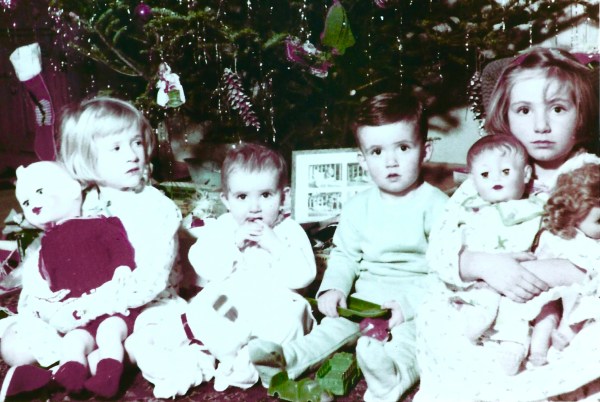
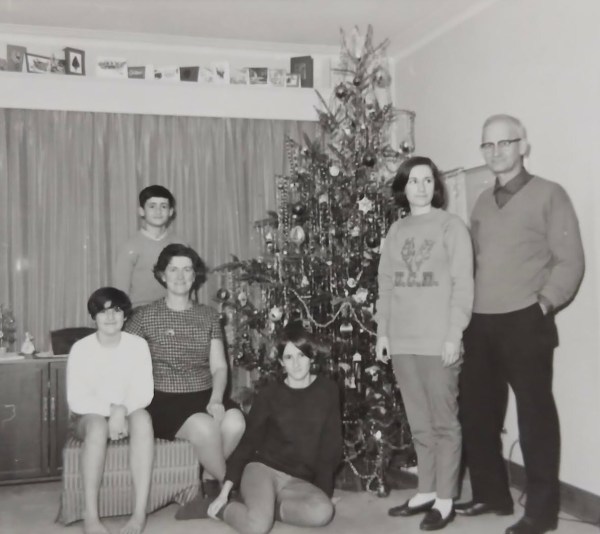
Christmas 1955

As Christmas approaches, there aren’t visions of sugar plums dancing in my head, but flashes of my childhood Christmases in Montreal in the 1950s and 60s. There were a few green Christmases but mostly there was snow on the ground.

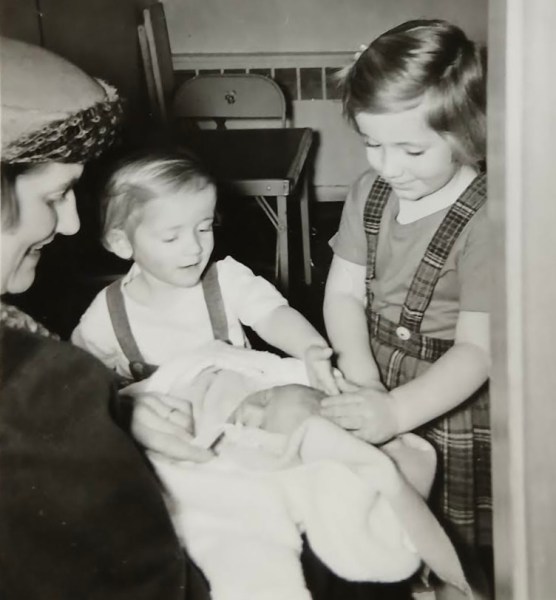
On my second Christmas, I got a baby brother for a present. He was born on December 19th, and in those days, mothers typically stayed in the hospital for a week. The doctor let my mother out a day early, so she came home with Donnie on Christmas Eve. One had to pay for the stay beforehand, so she received a refund!

Christmas Brother


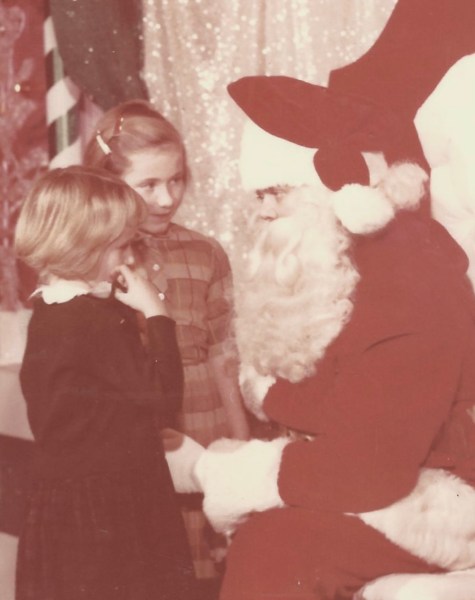
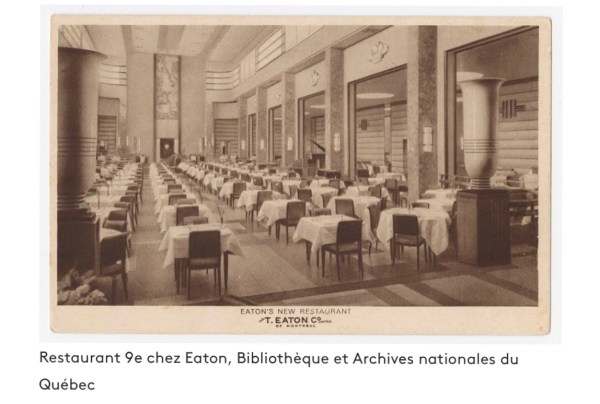
Excitement mounted as Christmas approached. There was the Santa Claus parade, followed by visits to Santa at Eaton’s Department Store, a ride on the little train with a gift, and then lunch in the 9th-floor restaurant. I still remember the sandwich plate, chicken and egg and clown ice cream (a scoop of ice cream decorated as a face with a little ice cream cone upside down as a hat.) My mother would take the children two by two. First, the older ones and then the younger ones. We knew that the real Santa was at Eaton’s because he climbed down a chimney there at the end of the parade.

Visiting Santa at Eaton’s

We didn’t have a television but listened to a show on the radio where a list of good girls and boys was read from the North Pole. Mary was usually mentioned being a common name but not my friend Dilys’s name. One year we watched Amal and the Night Visitors, an opera by Gian Carlo Menotti on TV at my Grandmother’s. Listening to the record every Christmas became a tradition.


As my mother bought presents, she put them in the linen cupboard and locked the door. We knew that the key was on the moulding above. So, a curious child could climb on a chair, unlock the door and check on the presents. As I got older, the anticipation and surprises were better than sneaking a peek.

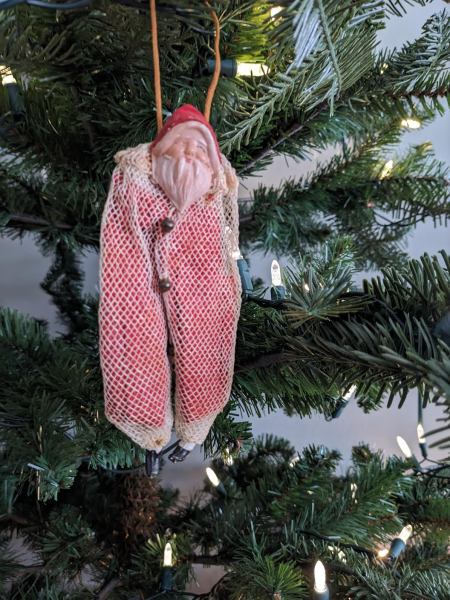
The tree was only decorated a day or two before Christmas. Dad would set up the tree and add the lights. My mother would always put on the tinsel, not throwing on handfuls but putting pieces on one by one, as her father had done. We could put on some ornaments. We had some large fragile balls and lights that had bubbling red liquid and everyone’s favourite Sack Santa.

Sack Santa

We could ask Santa for only one thing, as he needed to have presents for all the good boys and girls. That present came unwrapped. Mrs Claus didn’t have time to wrap all the toys. We could play with our Santa present while Mom made breakfast.

We made and bought presents for aunts and uncles. One Christmas I made sachets embroidered with branches and filled with spruce needles for the aunts. My brother once gave everyone a comb from the big package he bought. One uncle was a teacher and he always got a red pencil.

My father didn’t cook but every Christmas he would make chocolate fudge for his Aunt in Toronto.

The years we were in the Junior Choir, we sang at the midnight service. Snowy Flakes are Falling Softly, was a favourite carol. This was a special event as we got to stay up really late. My parents probably didn’t mind tired children, as perhaps we slept in a little on Christmas morning.

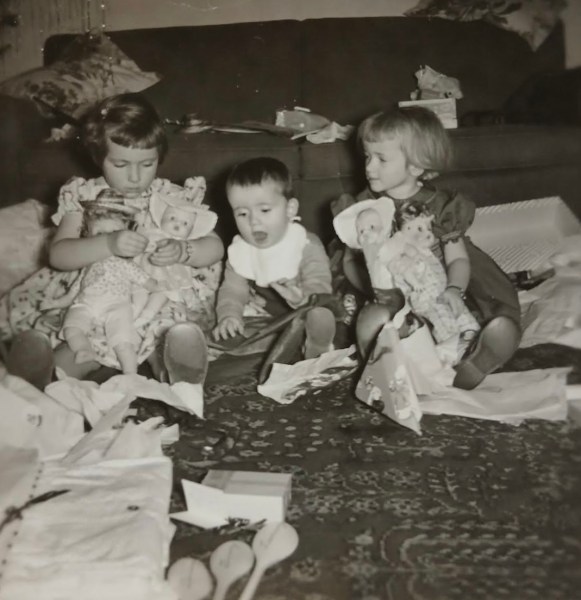
What did Mom want for Christmas? Maybe a paring knife or a new wooden spoon. Now I understand her not wanting more stuff.

This Christmas my mother received three wooden spoons.

We didn’t rip into the presents because Mom saved the larger pieces of wrapping paper and ribbons for the next year. We tried to make the opening of presents last but no matter how large the pile of presents was, it was soon demolished.

We were usually six plus Grandma on Christmas day. We had dinner at 1:00 pm. For a few years we went to Chateauguay in the evening, to my mother’s sister’s house because Grannie and Grandfather were there. They preferred a quieter Christmas with fewer children! In later years we often had friends or colleagues who were alone over for dinner.

One Christmas, we were going to spend it at our cottage in the Laurentians, north of Montreal. Dad went up and turned on the heat, then a huge snowstorm prevented us from going. A long, unplowed road led to the house. Later, he had to go back and turn off the heat. We never attempted this again and continued with our traditional Christmases.

Merry Christmas to All!

Notes:

Another Christmas Story

https://genealogyensemble.com/2021/01/20/sugarplum-tree/

Eaton’s department store on Saint Catherine Street in Montreal was a destination. It was one of three department stores, the others being Morgan’s, which became The Bay and Simpson’s. The restaurant on the 9th floor was opened in 1931. It was in Art Deco style, inspired by the dining rooms of luxury ocean liners. After Eaton’s went bankrupt in 1999, the restaurant remained locked up for a quarter-century. It reopened in 2024, restored to its original style. The dining room has been converted into an event space, with a restaurant located in the outer corridor.

The dining room in its former glory

Snowy Flakes are Falling Softly https://www.youtube.com/watch?v=svfu6WcIh84

Amahl and the Night Visitor by Gian Carlo Menotti

Discovering Family Connections Through Obituaries

Somerled School Kindergarten class 1957/1958

I recently discovered that I am related to my kindergarten teacher’s husband! There are certainly tangled webs of relationships all through our family histories. Following direct ancestor lines often leads you to people you might know about. Exploring other branches of siblings, aunts, and uncles can uncover connections you never knew you had. This is how this one was untangled.

The online death notice for Shirley Harris (1927-2025) in the Montreal Gazette caught my eye. Her name sounded familiar so I started reading her obituary. It mentioned she was 98, had a brother, John and sister, Ann. These names didn’t ring a bell, so I closed it just as my eyes caught the name Paul von Colditz. I remembered that there was a connection with a Shirley von Colditz and our family.

Ida Bruneau, one of my mother’s cousins, wrote a family history, “The Short History of the Bruneaus and Girods”. In it, Ida mentions Shirley von Colditz as a very dear friend of hers. They discovered they were distant cousins. Shirley descended from Medard Bruneau (1811-1892) and Ida and I from his brother Barnabé. They were the sons of Antoine Bruneau (1773-1847) and Marie Robidoux (1775-1847). This meant that Shirley and Ida were third cousins once removed.

My husband and I used to be members of the Montreal Badminton Squash Club. An Eric von Colditz also played badminton there. Years ago, I read Ida’s book. After that, I asked Eric if he thought we were very distant cousins. He said no. Shirley was his stepmother.

I carefully reread the obituary. “Shirley was the devoted wife of the late Paul von Colditz and the loving sister of the late John Harris ( the late Patricia Reynolds).” Patricia Harris was the name of my kindergarten teacher. I knew her maiden name was Reynolds, as my mother knew her sister Moyra Reynolds. Pat’s obituary confirmed she had sisters-in-laws Shirley and Ann. So I was related to her husband John.

Mrs. Harris and Miss Gael were my two kindergarten teachers at Somerled School in Notre Dame de Grace, Montreal. I started there in the fall of 1957. This school just opened in January 1957. I was in the first class to go through all the grades at Somerled School. I enjoyed kindergarten and remembered my teachers fondly.

John and Pat Harris had two children, Kathy and John. At one time, their son John lived on Percival Ave. in Montreal West, where I also lived. During a street-wide garage sale, my husband returned from down the street. He said, “One of your teachers is selling tea cups in front of a house.” I went and had a chat with Mrs Harris. Her son was someone I recognized but never talked to. He had a wife, three daughters and a dog. I figure John and I are fourth cousins once removed. Unfortunately, he no longer lives on Percival. I can’t tell him of our connection. Not even six degrees of separation.

Notes:

A Short History of the Bruneau Girod Families by Ida Bruneau. Ste. Agathe des Monts, Quebec, May 1993. Page 8. A copy in the hands of the author.

https://montrealgazette.remembering.ca/obituary/shirley-harris-1092955467

https://montrealgazette.remembering.ca/obituary/patricia-harris-1065848692

Shirley Harris was the daughter of Irene Bruneau (1901-1987) and Herbert Harris. 

Irene was the daughter of Eugene Albert Bruneau (1875-1939) and Eliza W. Thompson

Albert was the son of Ophir Bruneau (1848-1920) and Hermaline Piche (1949-1901)

Ophir was the son of Medard Bruneau (1811-1892) and Marie S. Megrette (1822-1853)

Medard was the son of Antoine Bruneau (1773-1847) and Marie J. Robidoux 1775-1847)

Barnabé and Medard were brothers:

Barnabé was the son of Antoine Bruneau (1773-1847) and Marie J. Robidoux 1775-1847).

Ismael was the son of Barnabe (1807-1880) and Sophie Marie Louise Prud’homme (1812-1892).

Sydney was the son of Ismael Bruneau (1852-1918) and Ida Girod ( 1862-1927).

Sydney was my grandmother Beatrice’s brother

Ida Bruneau was the daughter of Sydney Bruneau ( 1893-1979) and Ruth Dawson ( 1894-1971).

This makes Ida and Shirley 3rd cousins once removed!

Moyra Reynolds was on the women’s executive at the Catherine Booth Hospital. She worked alongside my mother, who was also a cousin of John Harris. Moyra and her friend Eileen glued my mother’s little tatted flowers onto hasty notes. These cards were sold for the benefit of the Catherine Booth Hospital. Moyra was living in the Montclair Residence when my mother moved in. They lived on the same floor. Moyra was excited that my mother was coming and hoped to make more hasty notes. Unfortunately, she soon suffered a stroke and was in hospital for a while. She came back to the Montclair. However, her needs were too great for them to handle and she moved to another residence.

One time when I was visiting my mother, a young woman was clearing out Moyra’s room. I thought afterwards that she might have been Moyra’s niece and my kindergarten teacher’s daughter. I am sorry I didn’t speak to her.

There was a family connection with Somerled School and another connection to Percival Avenue. Percival Ave is a street of just three blocks in the town of Montreal West. Ida’s sister Mary Bruneau and her husband George Davidson once lived on Percival. Their home was just across the street from where John Harris later lived. Ed Hawkes married my mother’s cousin Ephese Jousse, also related to John Harris. His parents lived a block south on Percival. I live on Percival now!

Grandfather’s Diary

The Diary

My grandfather, William Harkness Sutherland, kept a small red leather diary from January 1st, 1920, to December 31, 1924. During those five years, he regularly jotted down notes. Not his deepest thoughts or a record of history, just about his family and his life.

The Diary begins, “Thursday, January 1st 1920, “Very cold went to Monks for dinner and tea.” Minnie his wife and the children were still in Toronto for a Christmas visit to her mother and sister. When Grandfather was home alone, he was often invited out to eat as no mention is made of him preparing his own meals.

The first page of the diary

William was married with three children, lived in Westmount, Quebec, attended church regularly, worked as a civil engineer, owned a car, played golf and often visited friends for the afternoon and tea.

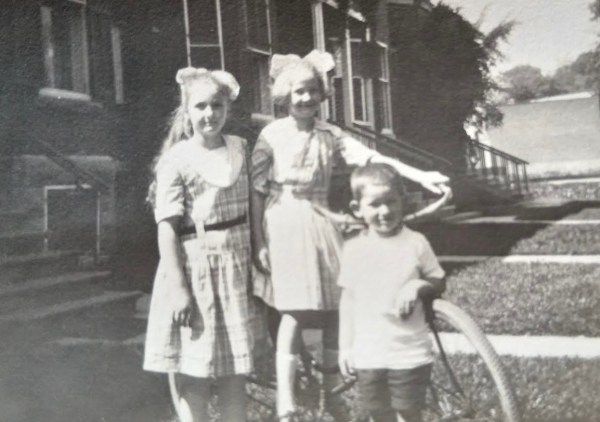
Donald, Bessie and Dorothy Sutherland about 1920

My father, Donald Sutherland, was two to seven years old during those years. It is interesting to see how often he and his two older sisters, Bessie and Dorothy, were sick. They had all the childhood diseases, chicken pox, measles, mumps, whooping cough, as well as colds, flu and bilious complaints that lasted many days. They also had their tonsils and adenoids removed, but they had doctors who came to their house!

According to one entry, Minnie, my grandmother, was diagnosed with tonsilitis and Donald’s sore neck became mumps as he continued to have a swollen gland. “Tuesday, March 30, 1920, Drs. Craig and Shaw saw Donald this morning and Craig says the gland must be opened. Dr. Shaw brought Dr Bourne in the afternoon and they gave Donald an anesthetic and opened it, removing quite a considerable quantity of pus.” Amy, Minnie’s sister, came down from Toronto as most of the family was sick.

A few days later, Amy also became ill, so William called in Dr. Smythe. The doctor also checked Donald’s neck, which was again inflamed. “April 4, 1920, brought Dr Smythe home with us (from church) to dress Don’s neck. It was not necessary to probe it for when the bandage came off, it discharged freely. Dr, S. pressed it firmly and Donald kicked up a great fuss.” Imagine, four doctors visited the house within a week!

The children were better during the summer. Although one time, Donald cut his foot at the cottage while swimming, but luckily, there was a doctor just across the lake. Dr. Swaine came over, sewed it up and gave Donald a dollar.

Swimming in Brome Lake

The family often went for drives all around the city. William enjoyed having a car and would pick up friends and drive them all over Montreal, as not many people had cars or could drive.

Driving on Mount Royal, Montreal

A few incidents outside the family were written about, such as when Victoria Hall burned down on March 8, 1924. Some of the family were at their new home on Arlington Ave, which was being renovated, when “About 4:15 heard fire wagons went out and saw Victoria Hall burn. Watched until 6:30 and then went home for tea.” There was mention of another fire, the burning of the Sacre Coeur Hospital, March 15, 1923. “ Fire destroyed the Hospital on Decarie Boul. All patients were taken safely out, but the building was totally destroyed. Minnie went out to see it and then called at Donnelleys.”

It was a busy time in his life. The family moved from Grosvenor to Arlington Avenue. Then they built a cottage in Dunany, near Lachute, fifty miles north of Montreal. Two hours and twenty minutes was a quick trip, although many took three to four hours to the cottage, which can now be reached in just over an hour.

Bessie, Dorothy and Donald

Grandfather enjoyed playing golf. There are many entries about his games played at different golf courses, including who he played with and how he practiced indoors in warehouses during the winter. The Dunany Country Club was his favourite, where he was one of the founding members.

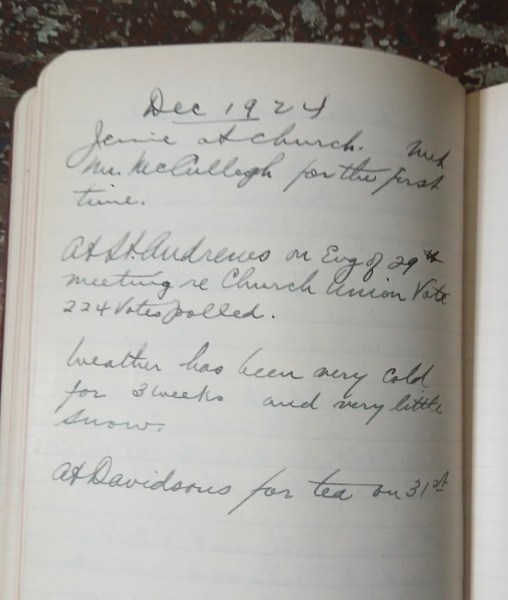
What would a diary be without talking about the weather. “October 31, 1920. Oct was an exceptional month, warm, an average of 7 degrees above normal. March 31, 1923. “Coldest March on record by about 10 degrees on average, still mid winter weather.” The last entry ,”December 1924 “Weather has been very cold for three weeks. At Davidson’s for tea on the 31st.”

The last page

The diary concludes at the year’s end but since there were still many empty pages, I wonder why he stopped writing. Most likely, life got in his way. I am glad he wrote if even for a short time. By reading his diary, I learned a lot about a grandfather I never knew.

Notes:

The Diary is in the hands of the author. All the pictures are in the possession of the author.

Mom’s Recipe Book

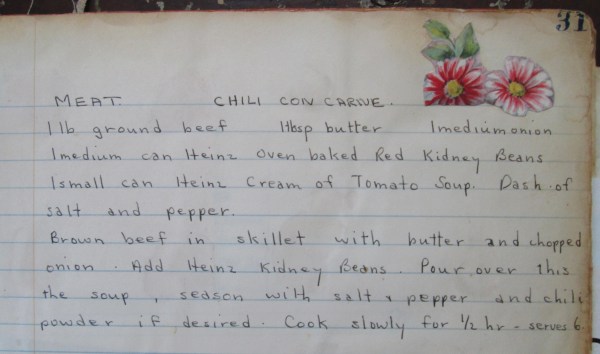
One of my favourite recipes in Mom’s recipe book is for chilli con carne. It has only a few ingredients: hamburger, kidney beans, onions, Heinz tomato soup, salt, pepper and chilli powder but only if desired. With fresh rolls and tomato slices, it was a meal we often had at the cottage, without the chilli powder. I was surprised to see that there was no Campbell’s tomato soup in the recipe.

Mom’s famous Chilli Con Carne!

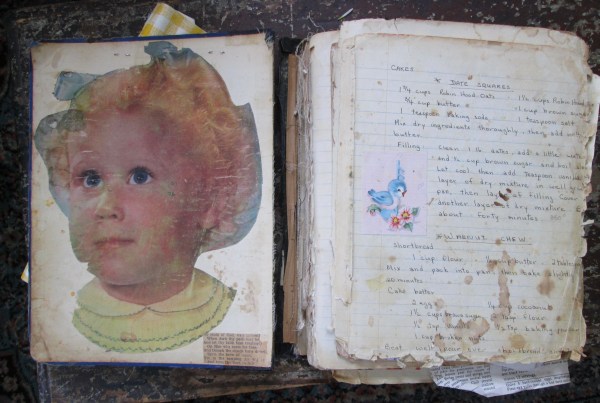
Mom started this book when she got married in 1948. It contains recipes cut out of magazines and newspapers, her handwritten recipes and ones collected from friends and family. In her later years, she mostly cooked from memory but sometimes would open the book just to check.

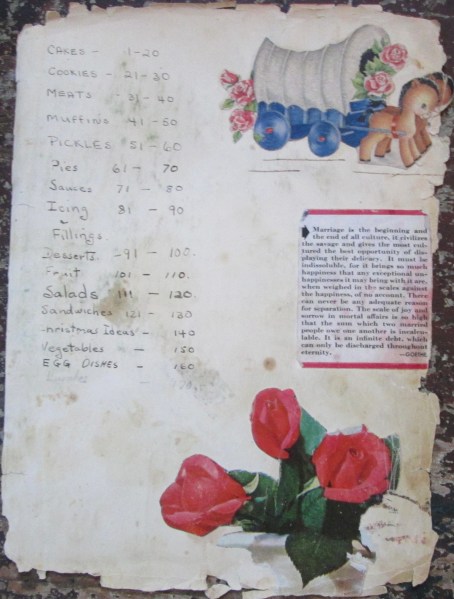
The indes page

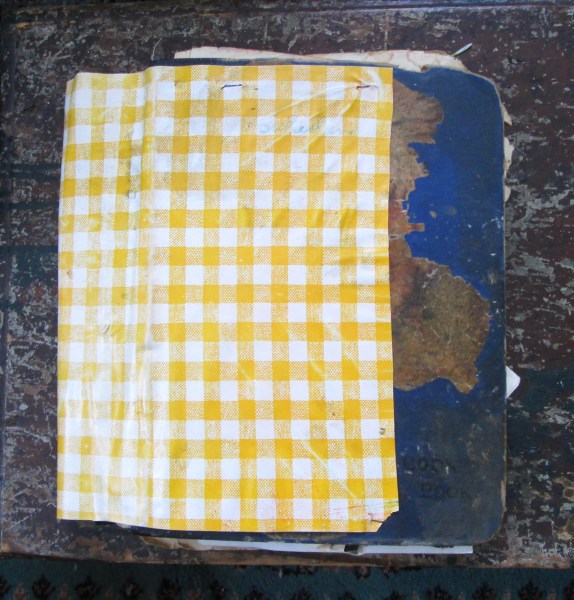
The book is now falling apart. It has been taped and covered with mactac but those adhesives don’t hold forever. The favourite recipes are worn, smudged with sticky fingerprints and ingredients. The newspaper clippings are starting to disintegrate.

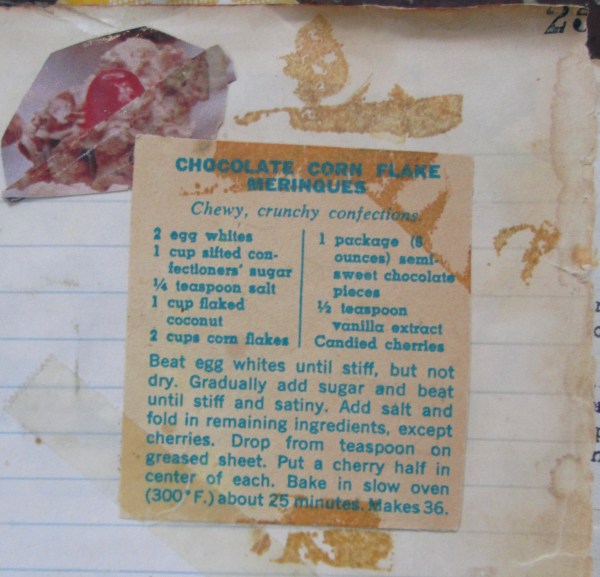
A favourite Christmas treat

My mother’s recipe book used to travel back and forth from Montreal to our cottage in the Laurentians. When Mom moved into a senior residence, it remained in Dunany. I then took charge of it, not wanting to leave it to the mice over the winter.

I thought I would make a book or calendar of some of the recipes as they all have stories to tell. Funny how most of them are for sweets. Main dishes at home were mostly roasted meat and boiled potatoes, which didn’t require recipes.

As kids, we would ask Mom what was for supper but all we really wanted to know was what was for dessert. Would it be a cake, a pie, a pudding, a cobbler, squares, cookies and ice cream or my least favourite, canned fruit? We had to eat our dinner before we got dessert but we always had dessert.

Inside front cover and sweets

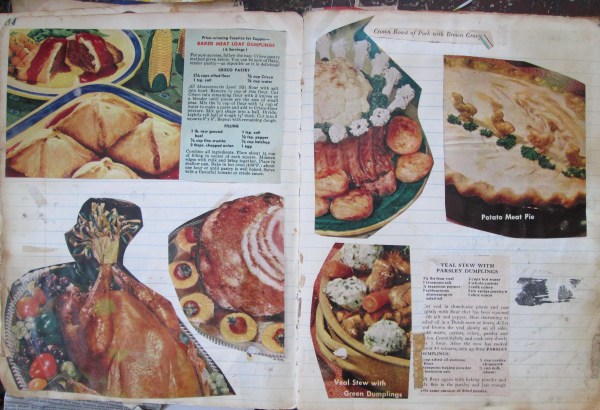
Mom’s planned menus were similar each week. She would make a list and only buy what was on the list. On Sundays, we had a roast at noon with potatoes, vegetables, gravy and then omelet, pancakes or bread broiled with cheese and bacon for supper. Monday was usually chicken, with one cut up for six people. Tuesdays meant leftover roast and on Wednesdays the menu varied with veal patties, liver, sausages or pork chops. We ate leftover roast again on Thursdays, sometimes being shepherd’s pie. On Fridays, we always ate fish even though we were not Catholic. This was our least favourite meal as it mostly consisted of frozen white fish, sometimes with a soup sauce. On Saturdays, we had hamburgers, usually without buns.

Our meals didn’t look like these pictures

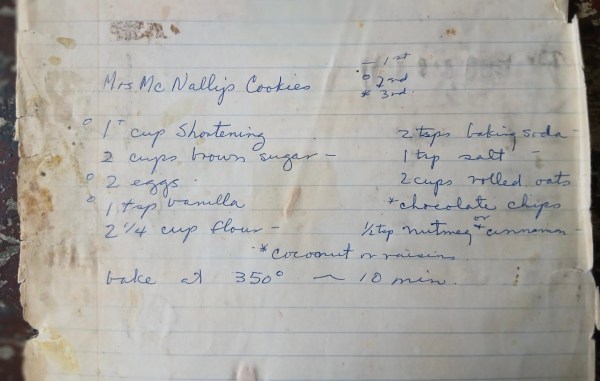
Mrs McNally’s cookie recipe came from the mother of a university friend of mine. Eileen’s mother used to send cookies back with her daughter, much to the enjoyment of her roommates. It is a basic oatmeal cookie with raisins, nuts, chocolate chips, cinnamon and nutmeg. It became my mother’s go-to recipe and she added whatever was in her pantry. The cookies were often stored in a ceramic cookie jar in the kitchen. Dexterity was needed to quietly raise the top and sneak a cookie.

Mrs McNally’s Cookies

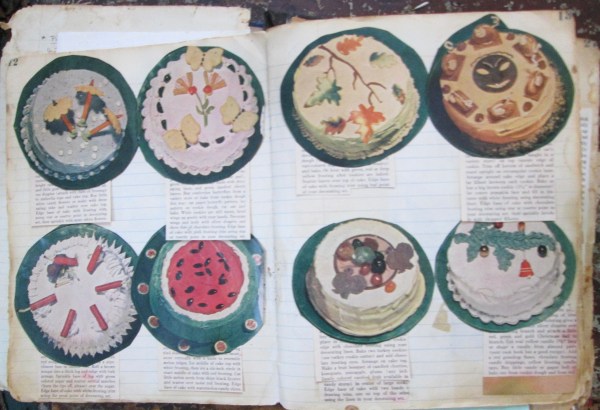
There are many pictures of decorated cakes. Mom took a class but only made a few very fancy cakes. Most were just plain iced layer cakes. She made some doll cakes with a Tammy or Debbie doll (we never had a Barbie doll) in the center of an angel food cake with fancy icing for her skirt. She also put money between the layers of cake, wrapped in wax paper. Pennies, nickels and dimes with one quarter. She would mark on the cake plate where to find the quarter and show the Birthday person.

Very fancy decorated cakes

Rhubarb upside-down cake replaced pineapple upside-down cake when my mother got the recipe from her sister. We always had this dessert in the spring and summer with rhubarb from the garden. Rhubarb and chives were the only edible things my mother grew.

Mom was an excellent pie maker. Her book does contain a booklet on how to make pie crust. She mastered this skill in no time. She would make all her fruit pies without looking at a recipe. I preferred blueberry and raspberry pies made from berries she picked around our cottage. Apple was my father’s favourite. One day, she anxiously watched as he cut into a pie and asked if it was ok. “When is your pie not alright? ” answered my father.

There would often be a little sugar pie made with the leftover pie crust sprinkled with sugar, cinnamon and little pats of butter. Pieces were eaten right out of the oven if you were lucky enough to be around.

There were definitely things we didn’t like, such as porridge every morning before school but we were well fed!

Henriette Feller

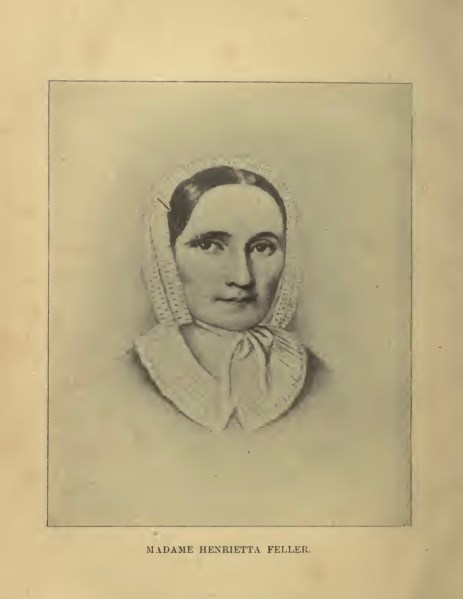
A young Protestant widow from Switzerland came to Canada in 1835 to convert the heathens. If it wasn’t for Henriette Feller, my family might still be speaking French and attending Roman Catholic services.

Henriette Odin (1800 – 1867) was born in Montagny, a village, outside of Lausanne, Switzerland. Her Protestant ancestors had been driven out of France when Louis XIV revoked religious freedoms and many took refuge in Switzerland. Her father was the director of the Vantonal Hospital at Lausanne.

“Wisdom and love distinguished both parents and their influence on the family was of the happiest kind.”

As a teenager, Henriette began visiting in the hospital and her tender and gentle demeanour was a comfort to the patients. She learned to change dressings and considered becoming a nurse but then she had a religious awakening.

Henriette married Louis Feller, a widower, in 1822. He was the head of a prison and had a son and two daughters. Their daughter Elize died as a young child and soon after, Louis died of typhoid fever. Louis Feller left all his assets to Henriette. They both gave their lives to a Christian Evangelical sect that wanted to spread the love of Jesus Christ. If you loved Jesus, everything else would be alright. The Swiss government didn’t approve and persecuted those who espoused the evangelical faith.

At an opportune time, Monsieur Henri Olivier and his wife came to Henriette’s Church, Henri as a pastor. He held missionary prayer meetings and under the Société des Missions d’Evangeliques de Lausanne, instructed young men for missionary service.

 “Whose business is it to go to the heathen for whom we pray and give?” 

The North American Indians became their prime missionary endeavour. Soon Henri, his wife and two young men were sent to Canada to convert the indigenous population to Protestantism using the word of Jesus from the New Testament. The young men went west but the Oliviers preferred to stay in Montreal and work on converting the French Roman Catholics. Henriette corresponded regularly with Mme Olivier, who encouraged her to follow them to Canada. In 1835, Henriette and a young missionary, Louis Roussy, sailed to New York, a journey of 33 days. They then travelled up the Hudson River to Lake Champlain, on the Richelieu River to St Jean, a long tedious journey to La Prairie in an old coach and finally across the St Lawrence River in a primitive boat to be met in Montreal by the Oliviers.

Converting Catholics was hard work, with very limited success because of the strong position of the clergy in the everyday lives of the French Canadians. Henriette thought they could do more good in the rural areas south of Montreal, where the priests and the churches were far apart. Henri Olivier soon returned to Switzerland but Henriette Feller and Louis Roussy stayed.

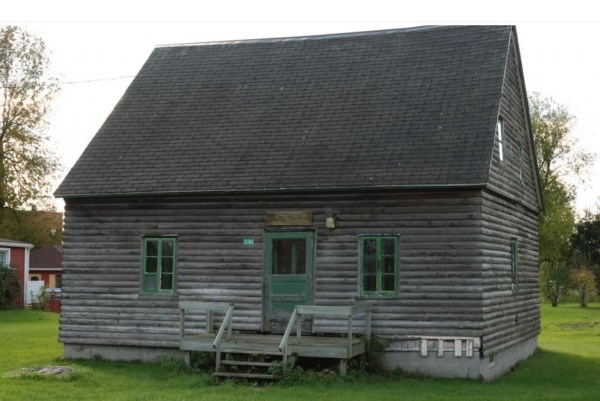
The Levecque family, in Grand Ligne, south of Montreal, offered Henriette their attic space with a room for her to live in and another for the school. She taught the children during the day using the bible and at night, the adults climbed to her room and read and discussed the New Testament.

The Leveque family house used as Henriette’s first school

Troubles escalated with the local Catholics during the rebellion of 1837. Those at the mission were threatened and forced into exile in the United States. They found sympathy for their cause in Champlain, New York and were able to raise money and received continued support from the Americans.

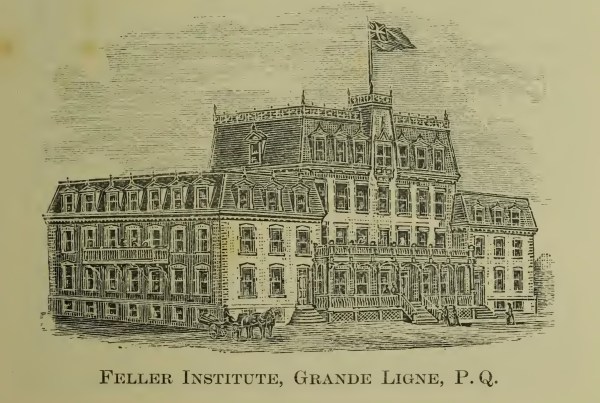
When things quieted down, they returned to Grande Ligne to find the houses emptied, animals taken and crops gone. With the help of several friends of the Mission, they rebuilt. The new construction, a much larger, substantial stone building, housing the mission and the school, opened in 1840. This was the begining of the Feller Institute.

While Henriette, known as Mere (Mother), continued to teach, Louis Roussy, as a colporteur, spread the word of God through the distribution of Bibles. My family lore said that one day, he and Eloi Roy visited my great-great grand mother, Sophie Marie Prudhomme Bruneau. She was interested in what they told her and invited them to stay the night. Her husband Barnabé Bruneau then joined in the discussions and eventually, my great-great grandparents and all their 13 children converted to Protestantism.

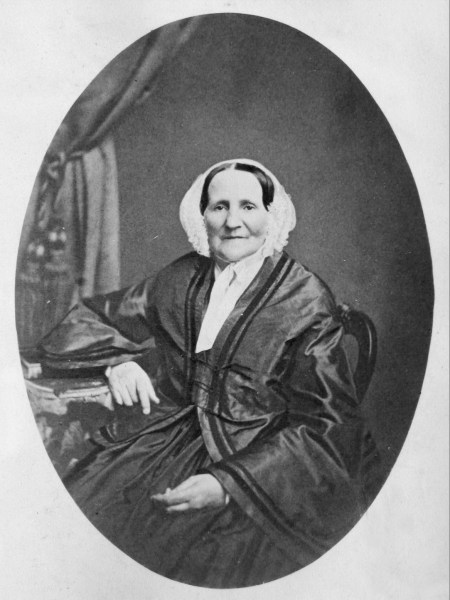
Henriette Feller

The hard work took its toll on Henriette’s health, which was a constant source of anxiety for her close associates. She had pneumonia several times and never completely recovered, even after a trip home to Switzerland. She suffered a stroke in 1865 and although bedridden, was still the driving force for the school until her death in 1868. Henriette Feller is buried in the Grande Ligne Cemetery with many of her converts, including some of my ancestors. Most of my family is protestant to this day.

Although Madame Feller occupied a somewhat anomalous position, for her influence was well-nigh all-powerful, and few ventured to contradict or oppose one in whom the tenderness of woman and the firmness of man were so happily united, she never overstepped apostolic limits.”

Notes:

Walter N. Wyeth, D.D. Henrietta Feller and The Grand Ligne Mission, Philadelphia, PA. 1898. printed and Bound by C.J. Krehbeil & Co. Cincinnati, Ohio.

Paul Villard M.A., M. D., D. D. Up to the Light the story of French Protestantism in Canada. 1928. Ryerson Press, Toronto, Canada.

PHILIP G.A. GRIFFIN-ALLWOOD Wesley Memorial United Church  Cramp Memoir of Madame Feller 244. Mère Henriette Feller (1800-1868) of La Grande Ligne and Ordered Ministry in Canada.

Historical Sketch of the Grande Linge Mission by the President 1893

https://www.findagrave.com/cemetery/2457971/saint-blaise-baptist-cemetery

https://en.wikipedia.org/wiki/Feller_College

Is There a Doctor in the House?

Ismael Edgard Bruneau

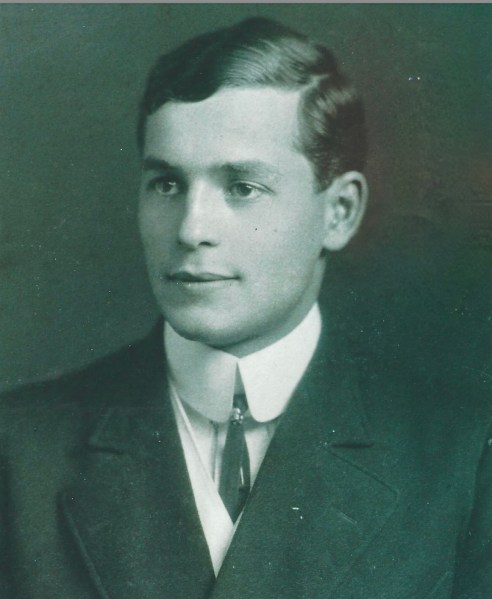
As far as I can tell, Ismael Edgard Bruneau (1887 – 1967), my great uncle, was the first doctor in our family and maybe still the only doctor. His father wanted him to follow in his footsteps and become a minister, so when Edgar entered McGill in 1907, he registered for an Arts degree. During his university years, he decided he would rather be a doctor. He finished his Arts degree in 1910 while concurrently studying medicine and received that degree in 1912.

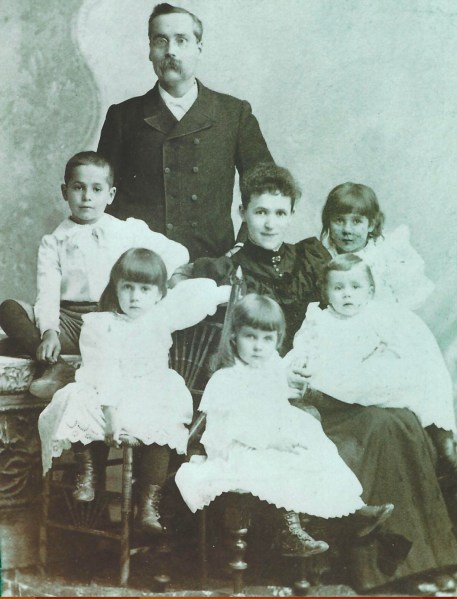
Edgar, as he became known, was the first of ten children of Ismael Bruneau and Ida Girod, my great-grandparents. He was born in Green Bay, Wisconsin, where his father served as a French Presbyterian minister. The family moved to Holyoke, Massachusetts, Quebec City and Montreal, where he did most of his schooling.

Ismael & Ida Bruneau with children Edgar top left, Hermonie, Helevetia, Sydney and Beatrice

He interned in Montreal and Ottawa and then practiced for a short time in Swift Current, Saskatchewan.

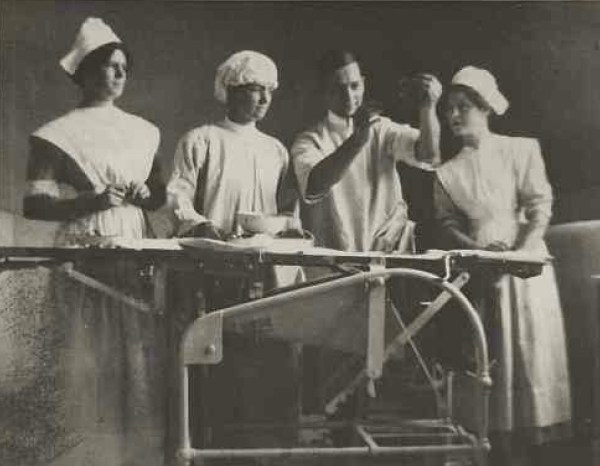
Dr Edgar Bruneau demonstrating techniques

When WWI began, he joined up with friends from McGill in the McGill Machine Gunners unit and was sent overseas in 1915. His father was unhappy with his decision to be a regular soldier and thought he should at least use his medical degree. Soon after arriving in England, he transferred to the Royal Army Medical Corp as a first lieutenant. This certainly didn’t keep him safe, as he served in France and Italy, being wounded twice and also severely gassed. Captain Bruneau was sent home to Canada in mid-1918. While in England, he visited with his Uncle Ernest Girod and became engaged to his cousin Marie but that relationship was over before he sailed home.

Edgar opened an office in Montreal as a general practitioner where he stayed his whole career. He lived on Park Avenue and had an office in his house with reception rooms on the ground floor and living space on the upper floor.

He also volunteered at the Montreal Dispensary through the 1920s. This clinic, established in 1850, gave health care to the poor. It was in downtown Montreal on St. Antoine Street, run by volunteer doctors and supported solely by donations. In the late 1920s, the Dispensary had financial difficulties and nearly closed but survived when it received a bequest of $10,000.

In the late thirties, Edgar suffered from a tubular disease in which the kidneys were damaged by lack of oxygen and blood flow, and so, for three years, he had to give up his practice. He was a much-loved doctor, as his patients visited him whether or not they needed care.

Edgar married Marie Eveline Lemoine in 1923. Before their marriage, they were in a car accident. He was driving on a street with streetcars when the traffic policeman gave him the signal to proceed. Unfortunately, the way was not clear and the car was hit by a streetcar. Eveline was thrown against the windshield, badly cut and she lost vision in one eye. Edgar felt responsible for her, so they married. Still, the marriage lasted 31 years until her death in 1954. Edgar was very social and attended all family gatherings but Eveline never did..

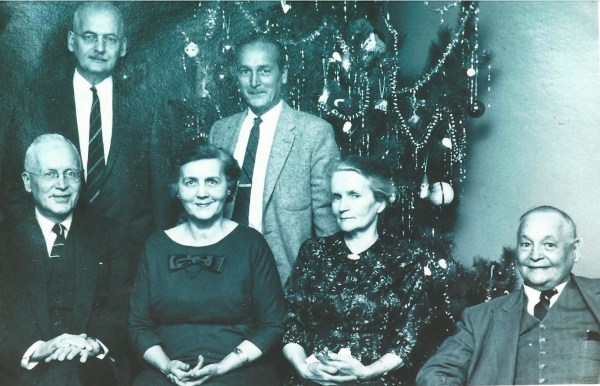
Six of the Bruneau children; Back row, Herbert & Gerald. Front row, Sydney, Edmee, Helvetia & Edgar ~1960.

One night, in the late 1950s, Edgar fell, going downstairs to his basement to fix the furnace. He broke his leg and wasn’t discovered until his housekeeper arrived in the morning. His brother Herbert wrote that when he was found, his leg was black and although the doctors saved it at that time, it resulted in gangrene. Edgar, like most of his siblings, had developed type II diabetes, which resulted in poor circulation in his legs. He first had his toes removed, then later, after many operations, most of his leg was amputated.

Edgar spent his final years at the St Anne’s Veteran’s Hospital in St Anne de Bellevue, Quebec. My sister said she never wanted to visit him as one of us told her he hung his leg in a stocking on his door at Christmas. Edgar is buried in Montreal’s Mount Royal Cemetery alongside his wife

Notes:

Recollections by Victor Herbert Bruneau , May 19, 1976.

Edgar was a keen fisherman.

He joined the Masonic Order and became a Shriner.

He was very musical; played the organ for his father’s services from the age of ten and he could play any tune he heard on the piano. He was popular with his comrades during the war and a good host afterwards.

I have no pictures of Evelyn. Edgar went to all the family functions and was very social but never Evelyn. She did play bridge and was mentioned in the newspaper as an attende at Karnac bridges put on by the Shriners.

A Little About Helene Bruneau

Helene in New York City

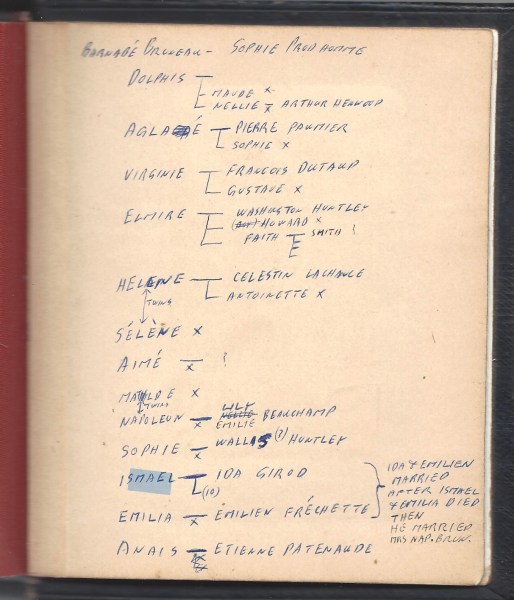
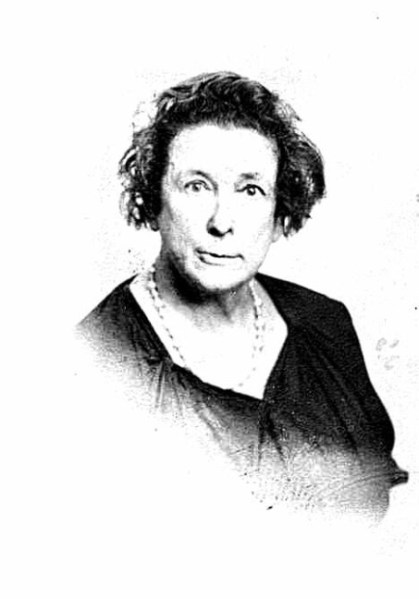
I have written stories about twelve of Barnabé Bruneau and Marie Sophie Prudhomme’s thirteen children. That just leaves Helene (1849 -1929). Helene was child number nine or perhaps number ten. I just realized that she and Selene Joseph were the second set of twins in the family. They were born on December 20, 1849.

I haven’t found much information about Helene other than she appeared to be a devoted wife and mother. She married at twenty-six but before, had spent some time in New York City as photographs can attest. Was she also a French teacher or governess like her sisters?

Sophie, Helene and Matilde Bruneau, New York City

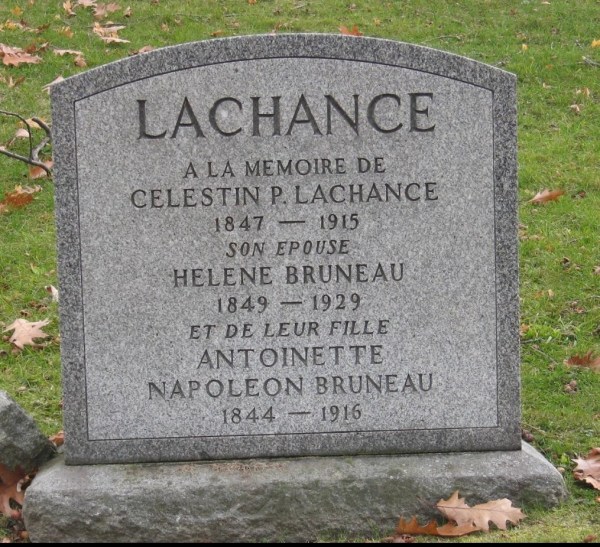
Helene married Célestin Pépin dit Lachance ( known as Lachance). He was born in Joliette (1847-1915) to Celestin Lachance and Elisabeth Payette. His parents converted to Protestantism in 1852 when he was a young child. He attended the l’Institute Evangelique Francais de Pointe-aux-Trembles. After he graduated, he became a Colporteur for two years for the French Canadian Missionary Society. He had aspirations of becoming a minister

Celestin & Helene Lachance

In 19th century America, the word colporteur (the borrowing of a French word meaning “peddler”) came to be used for door-to-door peddlers of religious books and tracts and is still used today. The Missionary Society trained the colporteurs and future pastors as there wasn’t a French Protestant seminary. Celestin abandoned his studies in 1867, possibly because he had tuberculosis and his doctor recommended he only work outside in the fresh air. If he did have TB, the fresh air did him good as he lived almost another 50 years. He worked all over Quebec in the logging and forestry industry. Helene accompanied him everywhere during their marriage.

Helene & Celestin Lachance and Helen’s sister Anais

Although he gave up missionary work he remained a religious Presbyterian the rest of his life. He read the Bible every morning and night. During his last illness, he read the whole Bible twice in nine months. 

Helene was originally a Baptist as her parents also converted to Protestantism when she was a child. She is later recorded as being a Presbyterian.

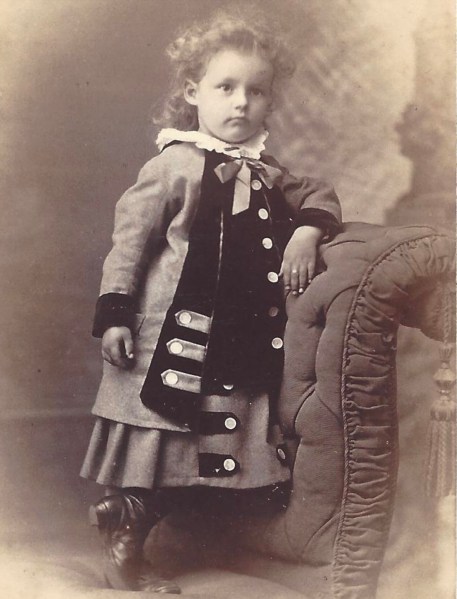
Celestin and Helene had only one daughter, Helene Marie Antoinette (1876 – 1916). This curly-haired child grew up but never married. She attended Royal Arthur School in Montreal. Antoinette attended English schools because the family was Protestant, so she couldn’t attend French Catholic schools. In 1892, she won the prize in French for second intermediate girls, besting Nellie Wilson, who won the awards for most of the other subjects. She didn’t have Antoinette’s advantage of a French background. At the closing of the ceremony, the commissioner said, “It was well to be clever but still better to be good.” Antoinette died at only forty years of age. She lived with her parents her whole life and never seemed to have an occupation.

Antoinette Lachance

After Celestin and Antoinette died, Helene lived in Verdun, Quebec until her death, on June 4, 1929. The family is buried in Mont-Royal cemetery in Montreal along with Helene’s brother Napoleon.

Mount Royal Cemetery Montreal

Notes:

In the back of the little photo album in a list of the children, it actually said twins, which had never registered with me. 

Back page of photo album

1871 Census: Celestin was 22 and living with his parents and sibling in St Charles Borromée, Joliette, Quebec. Year: 1871; Census Place: St Charles Borromée, Joliette, Quebec; Roll: C-10036; Page: 15

Helene and Celestin were married in 1875 and recorded as French Evangelicals.

Antoinette was born in October 2, 1876 and baptized at 9 years old in 1885.

According to Find a Grave: her full name was Helene Marie Antoinette Lachance born in St Constant Quebec.Ancestry.com. Canada, Find a Grave® Index, 1600s-Current [database on-line]. Lehi, UT, USA: Ancestry.com Operations, Inc., 2012.Original data: Find a Grave. Find a Grave®. http://www.findagrave.com/cgi-bin/fg.cgi accessed August 28, 2024.

1891 Census: The Lachances were living in Ste. Conegonde Hochelaga, Quebec. Celestin was a Commis au Bois, a wood clerk, Helene was a wife and both members of the Free Church. 

Year: 1891: Census Place: Ste Cunégonde Town, Hochelaga, Quebec, Canada; Roll: T-6396; Family No: 227Ancestry.com. 1891 Census of Canada [database on-line]. Lehi, UT, USA: Ancestry.com Operations Inc, 2008. Aug 28, 2024.

1901 Census: Celestine, Helene and Antoinettte (Marie-A ) were living in Ottawa, where Celestin was listed as a foreman and Antoinette, had no occupation. Year: 1901; Census Place: Ottawa (City/Cité) Dalhousie (Ward/Quartier), Ottawa (City/Cité), Ontario; Page: 19; Family No:189 Source InformationAncestry.com. 1901 Census of Canada [database on-line]. Lehi, UT, USA: Ancestry.com Operations Inc, 2006. Aug 28, 2024.
Montreal Star: Royal Arthur Closing Exercises, June 22, 1892 Wednesday, pg. 3. Newspapers.com accessed Sept 9, 2024.

Le Devoir: Celestin Lachance obituary, March 26, 1915 pg 2. Newspapers.com accessed September 9, 2024

Montreal Star Obituary: Helene Lachance, June 6, 1929 page 11. Accessed Oct 22, 2024.

Jean-Louis Lalonde: Lachance, Celestin (1849-1915) SHPFQ Societe d’Histoire du Protestantisme Franco-Quebecois. Octobre 12, 2020.

All the photographs are family photos in the hands of the author.

A Picture of Annie

For many of my ancestors, I have a name, a date of birth and sometimes a death date. That doesn’t tell you much about their lives, who they were or what they looked like. Who resembles them? Having a picture that you can document of them is a treasure. I still have many images of unidentified people. Some you can guess at but still you aren’t sure.

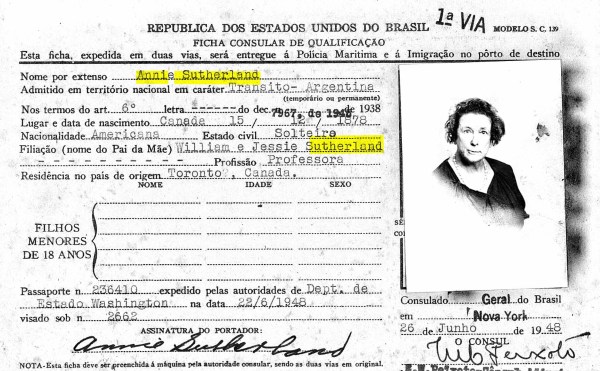
I have no pictures of Annie Sutherland (1878-1953) or much information about her except for one entry in my grandfather William Harkness Sutherland’s diary, “ Annie visiting from New York”. Annie was his first cousin, the daughter of his uncle William Sutherland and Jessie Johnston.

I thought I would try again to find Annie after researching her brother William. Annie is not a unique name so I didn’t have many expectations when I entered her name, birth year, and parent’s names in Ancestry. Up popped her visa for entry into Brazil in 1948! This document had her date of birth, her nationality, her parent’s names, her occupation and her picture! There she was for all to see at 69 years of age.

Annie Sutherland disappeared from Canadian records after the 1901 census when she was living with her parents at 21 Rose Ave along with her sisters Agnes, Isabel and Jessie and her brother Davison. 

Single women at the turn of the century had few career choices open to them, one being a teacher. Annie and two of her sisters taught school. I imagine Annie wanted a little excitement in her life, so she immigrated to New York City in 1902 and moved in with her brother William. She continued to teach school.

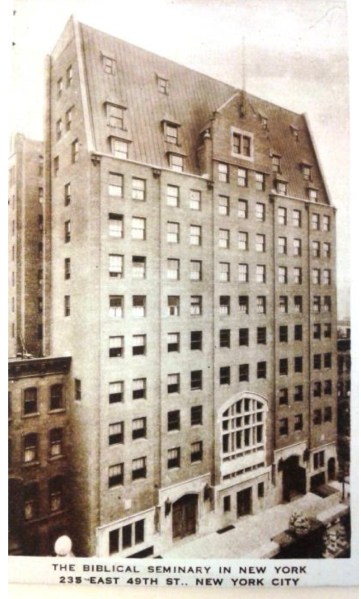
She originally taught at regular public schools. Religion was important in the family, like many Scottish Presbyterians at the time. They attended services regularly and were involved in the church life. The males, like my grandfather, were encouraged to become ministers but none had the calling. So, it is not surprising that at some point Annie began teaching at the Biblical Seminary of New York (which became the New York Theological Seminary). 

Wilbert White founded the Prostatant nondenominational school to train Bible teachers, missionaries and YMCA (Young Mens Christian Association) workers. This was a ministry for the “real world” with the Bible being the centre of the curriculum. Women formed a large part of the diverse cultural student body and the staff. In 1921 the school moved downtown to East 49th Street. There, in a nine-story building, students, staff and other borders lived together. Annie lived at the school and according to the 1940 census was a teacher making $4,764 a year, a large salary for anyone at the time.

Teachers have the advantage of summers off, and Annie Sutherland travelled the world. While she taught others to be missionaries, perhaps she did missionary work herself during her vacations. She can be found on many ship manifests as she sailed to Brazil, Argentina, Mexico, England, France and the Mediterranean, being away for two months at a time.

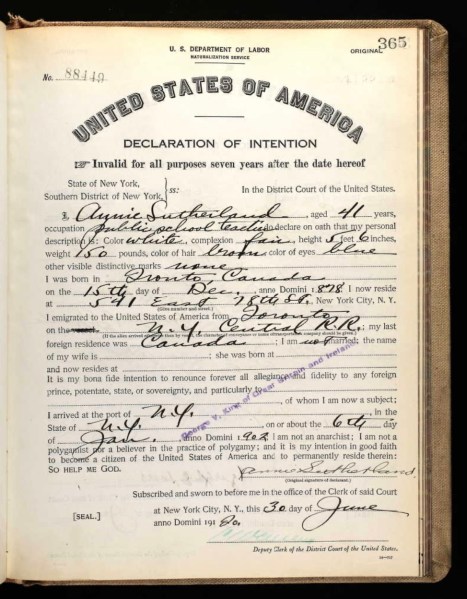
She, like her brother, decided to become an American citizen. She filed her declaration of intention in 1920, which included her renouncing her allegiance to George the V, King of Great Britain and Ireland. She received her naturalizing certificate five years later.

I last found her alive in New York City in 1950, living at the Prince George Hotel, having returned from another trip.

There is an Annie Sutherland buried in Mount Pleasant Cemetery in Toronto, who died in 1953 at 74 years of age. Is that Annie’s final resting place? Did she eventually return home from her travels?

Notes:

“Rio de Janeiro Brazil, Immigration Cards, 1900-1965”. Family Search, Salt Lake City, Utah, 2013. Index entries derived from digital copies of original and compiled records. Accessed on Ancestry March 10, 2020. 

Mount Pleasant Cemetery: Annie Sutherland age 74 died 1953. Land, Section 33 lot 2650. accessed October 18, 2024.

New York Theological Seminary Records 1895-2005-https://library.columbia.edu/content/dam/libraryweb/locations/burke/fa/misc/ldpd_11693150.pdf

Year: 1901; Census Place: 
Toronto (Centre) (City/Cité) Ward/Quartier No 3, Toronto (Centre) (City/Cité), Ontario; Page: 2; Family No: 17 Ancestry.com. 
1901 Census of Canada [database on-line]. Lehi, UT, USA: Ancestry.com Operations Inc, 2006. Original data: Library and Archives Canada. 
Census of Canada, 1901. Ottawa, Ontario, Canada:

Year: 1940; Census Place: New York, New York, New York; Roll: 
m-t0627-02648; Page: 61A; Enumeration District: 31-1008 Ancestry.com. 1940 United States Federal Census [database on-line]. Provo, UT, USA: Ancestry.com Operations, Inc., 2012.

The National Archives at Philadelphia; Philadelphia, PA; NAI Title: 
Declarations of Intention For Citizenship, 1/19/1842 – 10/29/1959; NAI Number: 4713410; Record Group Title: 
Records of District Courts of the United States, 1685-2009; Record Group Number: 21 Ancestry.com. New York, U.S., State and Federal Naturalization Records, 1794-1943 [database on-line]. Lehi, UT, USA: Ancestry.com Operations, Inc., 2013.

More William Sutherlands

There are many William Sutherlands in my family. My great-great-grandfather William Sutherland ( 1816-1887) son of William Sutherland (1749-1840) came to Canada in 1845 with his wife Elizabeth Mowat. They followed the Scottish naming pattern of calling the first son after the husband’s father so his eldest son was William and then his eldest son was also William.

My grandfather, son of Donald was also named William. He thought the family had way too many Williams, Willies, Wills and even a Bill so he took the second name, Harkness, after his mother. There was just one mention of his first cousins, William Sutherland and his sister Annie in my grandfather’s diary. “Went to Rose Ave, Annie was there from N.Y. but Willie away in Florida.” That’s all I knew.

Luckily, cousin William also seemed to have added a middle name maybe Everard or Ewart. So instead of the thousands of William Sutherlands, he can be found as William Everard or William E Sutherland.

William first crossed the border into the United States in 1889 when he was just 16. He probably went for a job or maybe an adventure. He was born in Mildmay, Bruce County, Ontario. His grandfather and then his father owned the family farm which his father sold and moved the family to Toronto when he was a child.

William is then found in New York City, where his sister Annie later joins him.

William married Ida Priscilla Sterne in New York in 1913. Priscilla was also a Canadian from Carrick, Bruce County. She and William must have known each other growing up. Priscilla immigrated to the US by herself in 1899. She was a milliner and had her own business making hats. After her father’s death in 1905, her mother came to the US, along with a sister and a brother.

The couple didn’t have any children, having married later in life. William was 39 and Priscilla 35.

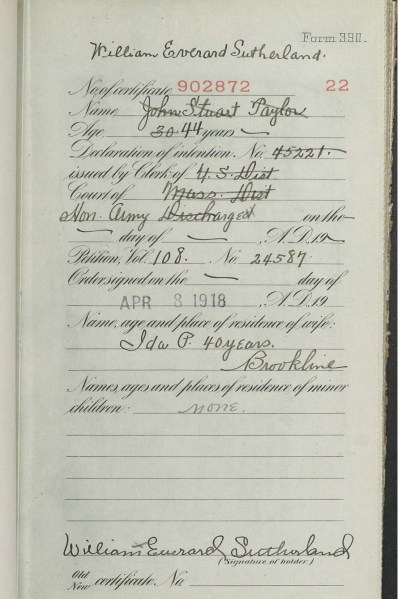
William became a naturalized American in April 1918 through the Alien Soldier’s Naturalization Act. He joined the US Army in 1899 during the Spanish-American war. Any alien who enlists in the US armed forces and is honourably discharged could apply for citizenship without a previous declaration of intention and with only one year of residence. His proof of service and discharge is the strangest document I have ever seen. It had a name crossed out and William Everard Sutherland written above. Other information was also crossed out. This document was accepted as there is a copy of his Naturalization certificate. I don’t know why he never made a declaration of intention as he had been in the US for almost 40 years. Priscilla also became an American.

This was the proof that he was honorably discharged from the US Army which allowed him to become a Naturalized US citizen under the Alien Soldiers Naturalization Act; Section 2166.

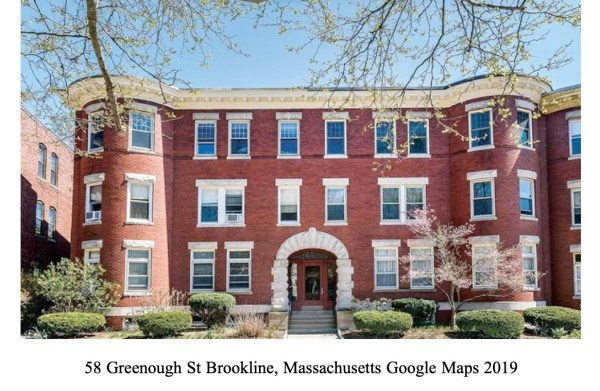
Around 1917, he and Priscilla moved to Brookline Massachusetts, They lived at 58 Greenough Street. A three story apartment (now condo) building is at that address according to Google maps. It is a very nice red brick building with bay windows. The condos now sell for a million dollars. The couple had done well as Priscilla was no longer working and William was the boss working in construction as an electrician. They even had room for Priscilla’s mother to spend time with them.

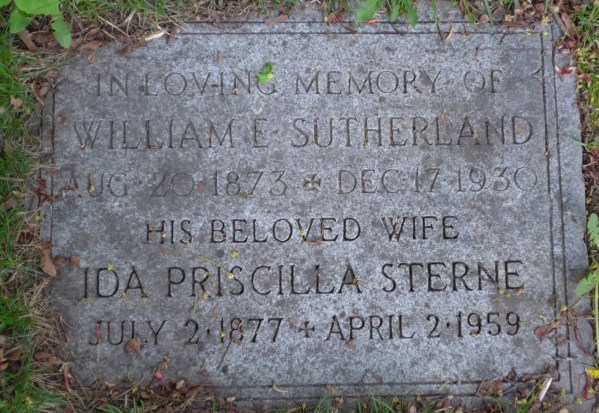
They finally ended up in Florida, around Miami and Palm Beach. William was president of a building company so they were not early retirees. He later had health problems, stopped working and applied for an invalid’s pension from the US Army. When William died of heart disease in 1930 his body was sent back to Canada for burial. Priscilla applied for a widow’s pension and continued to live in Palm Beach until her death 29 years later. Her body was also returned to Canada and is buried with her husband in Toronto’s Mount Pleasant Cemetery.

Now I have to find his sister Annie.

Notes:

William’s parents William Sutherland and Jessie Johnson lived at 21 Rose Ave in Toronto. His siblings, Agnes, Isabel, Jessie and Davison were all living at home in the 1920s.

William H. Sutherland’s diary 1920-1924 in the hands of the author.

William registered for the draft during the First World War even though he was 45 years old. I don’t think he served again, as the war ended less than three months later.

My grandfather William Harkness Sutherland called his only son Donald after his father but added William as a second name!

Year: 1910; Census Place: Boston Ward 24, Suffolk, Massachusetts; Roll: T624_625; Page: 13a; Enumeration District: 1634; FHL microfilm: 1374638Ancestry.com. 1910 United States Federal Census [database on-line]. Lehi, UT, USA: Ancestry.com Operations Inc, 2006. Mar 20, 2020.
Year: 1920; Census Place: Brookline, Norfolk, Massachusetts; Roll: T625_721; Page: 4A; Enumeration District: 172 Ancestry.com. 1920 United States Federal Census [database on-line]. Provo, UT, USA: Ancestry.com Operations, Inc., 2010. Images reproduced by FamilySearch.

Ancestry.com. U.S., City Directories, 1822-1995 [database on-line]. New York City 1922. Lehi, UT, USA: Ancestry.com Operations, Inc., 2011.

National Archives and Records Administration (NARA); Washington, D.C.; Index to Naturalization Petitions and Records of the U.S. District Court, 1906-1966, and the U.S. Circuit Court, 1906-1911, for the District of Massachusetts; Microfilm Serial: M1545; Microfilm Roll: 24Ancestry.com. U.S. Naturalization Records Indexes, 1794-1995 [database on-line]. Provo, UT, USA: Ancestry.com Operations, Inc., 2007. Accessed March 20, 2020.

National Archives and Records Administration (NARA); Washington D.C.; NAI Number: M1368Ancestry.com. Massachusetts, State and Federal Naturalization Records, 1798-1950 [database on-line]. Provo, UT, USA: Ancestry.com Operations, Inc., 2011. accessed March 20, 2020.

New England Historic Genealogical Society; Boston, Massachusetts; Massachusetts Vital Records, Marriage Record 1911–1915; Volume: 621 accessed on Ancestry March 20, 2020. 

Sophie Bruneau Huntley Not Camera Shy

Sophie Bruneau Bathing Beauty

Would my 19th-century ancestor Sophie Bruneau Huntley be posting pictures on social media, taking selfies and showing off her new purchases if she were alive today? I think the answer is, maybe yes!

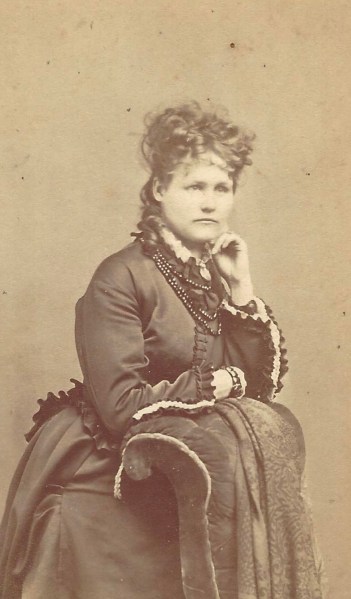
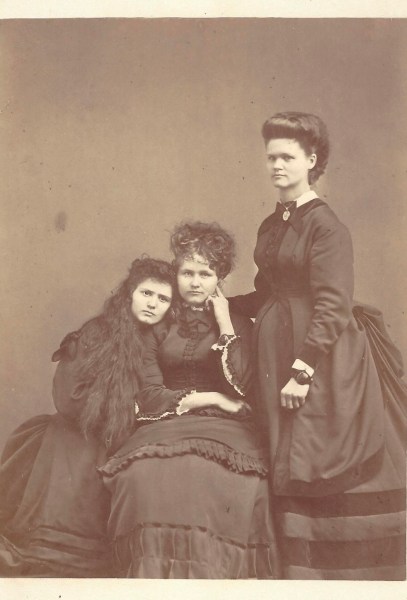
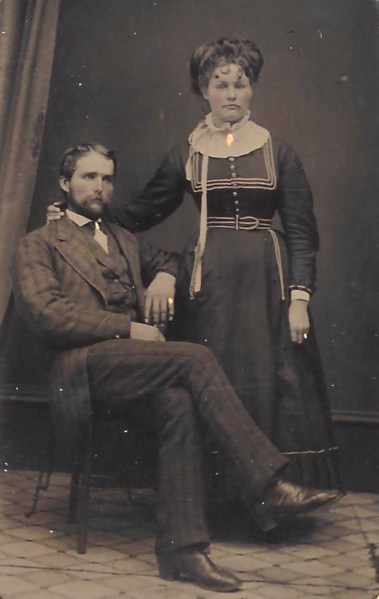
Sophie was born in 1847, so all her early pictures were taken in photographic studios. These were not spontaneous pictures but rather specific setups with long exposures. There are several pictures of Sophie in the family photo albums. Many were taken in New York. My favourite is Sophie in a bathing costume displaying her very long hair and bare feet. There were no mischievous smiles but rather hard stares. Still, it appears she had fun during her photo shoots.

Sophie Bruneau

My great-great grandparents Barnabe Bruneau and Sophie Marie Prudhomme had 13 children and Sophie was number eight. She lived with her parents on their farm in St. Constant, Quebec until after the 1871 census. Pictures from New York studios came soon after. I assume Sophie worked in New York as a teacher or a French governess like her sisters, Virginia and Elmire, when she arrived in the United States in 1875 at 27 years old.

Sisters: Sophie, Helene & Mathilde
Sophie in New York

Sophie and her sister Elmire, married two Huntleys, Washington and Wallace? (Walworth). I assumed that they were brothers who married sisters. On family trees and photos he was called Wallace but it seems he was George Walforth Huntley (1854-1933), Washington’s younger brother and seven years younger than Sophie.  Andrew Washington Huntley Elmire Bruneau’s husband was born in Mooers NY to Andrew Huntley and Calista Blodgett and there was a George Walworth Huntley in the family. If this is Sophie’s husband, they could also have met because her sister Aglae was living in Mooers Forks, New York with her husband.

Sophie and George W. Huntley

Sophie, Elmire, and their husbands lived in several places in the United States but ended up in Los Angeles.

Sophie and Walworth lived in Elkhart, Indiana as Sophie is mentioned in the Personal and Society column of the Indianapolis Journal, “Mrs. George W. Huntley is spending a month in Montreal.” The beginning of the column discussed women’s dress which probably interested Sophie. 
“What with shirtwaist blazers, neckties and caps the women, middle-aged and young are fast becoming what Light facetiously denominated “self-made men.” George was a railroad conductor and owned his own house according to the 1900 census. 

Sophie Huntley

They later lived in Toledo, Ohio where George was a customs collector and finally moved to Los Angeles, California. Sophie became a naturalized American because her husband was a US citizen.

They never had any children.

Sophie Bruneau Huntley

Her age was fluid in all the documents. Her husband was seven years younger but sometimes she was younger and sometimes the age difference was much smaller. Her death record in December 1921 said she was 68; in the 1920 census, she was only 63 while actually being 74.

A death notice in a Los Angeles paper, “Sophie B. Huntley died December 28, 1921, beloved wife of George W. Huntley, funeral from residence La Veta Terraces.” Her death notice was also in Elkhart, Indiana and Toledo, Ohio newspapers. George continued to live in Los Angeles with his housekeeper Mary Dietrick until his death in 1933.

Notes:

“Canada Census, 1871”, , FamilySearch(https://www.familysearch.org/ark:/61903/1:1:M4KT-F5V : Sun Mar 10 23:41:04 UTC 2024), Entry for Barnabe Bruneau and Sophie Bruneau, 1871. Sophie 23 at home no occupation.

“United States Census, 1900”, , FamilySearch(https://www.familysearch.org/ark:/61903/1:1:MMBY-BMK : Thu Apr 11 19:55:49 UTC 2024), Entry for George W Huntly and Sophie B Huntly, 1900 Dubois Indiana.

United States Census, 1910″, , FamilySearch(https://www.familysearch.org/ark:/61903/1:1:MLFZ-MKV : Thu Mar 07 18:33:20 UTC 2024), Entry for George W Huntley and Sophie B Huntley, 1910.Toledo, Ohio. 

United States Census, 1920″, , FamilySearch(https://www.familysearch.org/ark:/61903/1:1:MHQD-HJK : Fri Mar 08 21:37:57 UTC 2024), Entry for George W Huntley and Sophie B Huntley, 1920.

California, County Birth and Death Records, 1800-1994″, , FamilySearch(https://www.familysearch.org/ark:/61903/1:1:QG49-NZN3 : Sat Mar 09 23:29:28 UTC 2024), Entry for Sophie B Huntley and Barnabee Barneau, 28 December 1921.

Sophie was said to be 68 in Norwalk Los Angeles.

“United States Census, 1930”, , FamilySearch(https://www.familysearch.org/ark:/61903/1:1:XC8Z-8NW : Sun Mar 10 08:02:55 UTC 2024), Entry for George W Huntley and Mary Dietrick, 1930.

“California Death Index, 1905-1939”, , FamilySearch(https://www.familysearch.org/ark:/61903/1:1:QKS9-QWHL : Sun Mar 10 22:34:41 UTC 2024), Entry for George W Huntley, 7 1933.

“United States Census, 1850”, , FamilySearch(https://www.familysearch.org/ark:/61903/1:1:MCT1-9GL : Sat Mar 09 13:02:44 UTC 2024), Entry for Andrew Huntley and Calista Huntley, 1850.

Indiianapolis Journal Sunday Aug 31, 1890 page 3 in Personal and Society for Elkhart, Indiana Newspapers.com April 22, 2024.

First Deguerreotype in 1837

William Henry Talbot patents the Calotype process, the first negative-positive process making possible the first multiple copies in 1841. 

When the first mass-produced cameras were available in 1900 people started taking snapshots.