Category Archives: Germany

My Chicken Farm Summer

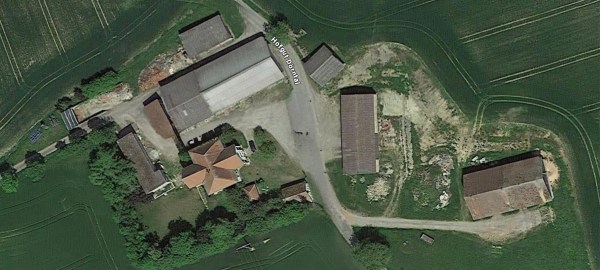
Hofgut Dorntal as seen on Google Maps 2026. The big grey building housed the chickens

A strange clomp, clomp, clomping woke me up. I looked around a strange room, from a strange bed, in a strange country. It was 1973 and I had arrived in West Germany the day before on a Canadian German Academic Exchange Society trip. I was going to a farm to work for two months, but the only location I had was Hofgut Dorntal. I knew it was in West Germany, but I had no idea where. 

The clomping was the farmer, Herr Leo Knorzer going downstairs on his artificial leg. I assumed he lost it during the war and never asked him about it. It turned out it was in a car accident. His leg was broken and the cast was put on too tight. By the time his brother, a doctor visited, gangrene had set in and the leg couldn’t be saved.

I had just finished my third year at Queens University in Kingston Ontario. I had taken German as an elective, although majoring in biology. One day, the professor announced that we should all apply for a summer exchange in Germany, so I thought, why not! We could apply to study or to work. I didn’t expect to be chosen but when another student dropped out, I was offered a place.

We flew to Frankfort and picked up train tickets to our final destinations. My ticket said Eubigheim. I boarded a train to Munich, but had to change in Lauda. I sat alone on a bench outside the Lauda station in the cold and wet, thinking I would rather be home! I When the Eubigheim train arrived, it was only a two-car commuter train. All the seats were full, so I sat on my suitcase. I hadn’t slept, so I dozed as the train rumbled on. I kept jolting awake, hearing strange words around me. I knew they were German but some sounded like out-of-context English. I had to keep alert so I wouldn’t miss my station.
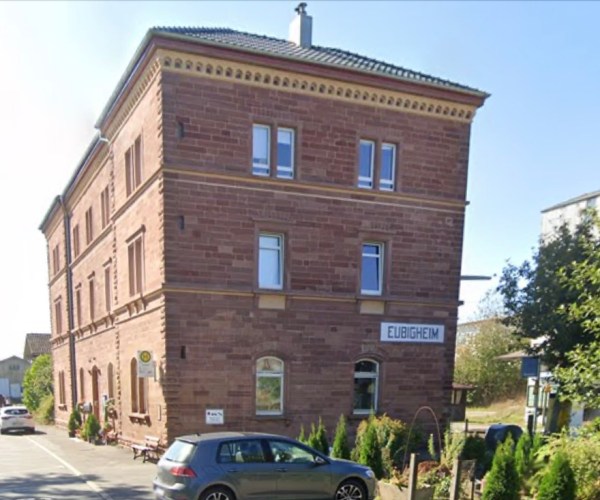
Eubigheim Station Google Maps 2026

When we arrived at Eubigheim, I gathered my luggage and followed the commuters off the train. They hurried through an empty station and out the other side. With no one to ask, I wandered around outside the station and found a man in a little office. With some difficulty, I made him understand that I wanted to contact Herr Leo Knorzer at Hofgut Dorntal. He called and soon their son arrived in his little Porsche sports car. I was expected, but not that day. His parents were out at a farmer’s meeting. Ekkehard spoke good English but said this was the only time he would speak English, as I needed to learn German to communicate with his parents.

Ekkehard and his wife Gutrune had their own apartment in his parents’ house. Gutrune was expecting a baby, so they needed help with the chickens. They gave me supper of rye bread, cheese and salami while we watched Bugs Bunny cartoons on TV in German. What was I doing there! They showed me to my room on the other side of the house and I slept, to be awoken by the clomping. I had forgotten the alarm clock I had purchased for the trip, so Frau Knorzer had to wake me with a knock on my door. 

My main job was collecting eggs. They had a large barn with two sections of hens. One section, the horse stalls, was up steep cement steps where I collected the eggs by hand into buckets and carried them down. I always worried about falling down the stairs with all the eggs! The other section was on the ground floor and automated. They had conveyor belts which carried the eggs into the grading room where they would be sorted by size and weight. Any dirty eggs had to be washed and misshapen eggs broken into a bucket. Those eggs were frozen sent to make egg noodles. The conveyor belt worked well until an egg broke. Then, with the call gelbe, gelbe (yellow, yellow) the conveyor was stopped and Herr Knorzer had to go into the hen house and clean it up so not all the eggs would need to be washed. 

Conveyor belts under the cages carried away the poop and others supplied food. Pipes carried their water and the dispensers often leaked.

“ Today I washed all the egg racks and pails. Then I swept and removed cobwebs in the cellar. Then I washed the whole wash kitchen. When I collected the eggs there was water dripping. One of taps was gone and the feeding tray was full of water. I held my fingure over the hole while Gurtrune tried to block it. Then I carried out the wet feed.”

Most hens lay an egg a day. When their production falls, they are crated and sent away. That was tough work as the hens didn’t cooperate, resulting in scratched and pecked hands. The Knorzers didn’t raise hens from chicks but would buy a new set of laying hens.

“ The new hens came today, all 2000 of them. The men came at 7 am. What a stinking mess. Shit all over the place from the frightened birds. I took out the birds while Frau K. put them in cages. I got more bruises on my poor arm.”

These new hens laid lots of eggs. One morning I collected 3261 eggs or 27 pails full that all had to be carried down the stairs. 

Most evenings, Frau Knozer would deliver the eggs to customers. So Herr Knorzer and I often ate, just the two of us. He was very interested in how everything worked in Canada: farms, hospitals, schools and transportation. With my rudimentary German and his only English words, grandfather and grandmother one would think we would have trouble communicating but he could always find another way to say something so I would understand. Because of his patience, I learned quite a bit of German. 

Frau Knorzer, on the other hand, had no patience. She would get very frustrated when I didn’t understand what she wanted me to do. “Die Mary this and die Mary that!” she would say with a sigh. She did everything quickly but one vacuumed slowly. She always told me, “Immer langsam.” I still hear her, “always slowly,” every time I vacuum. I did learn to clean the house to her satisfaction and weed the garden while only pulling out some of the lettuce.
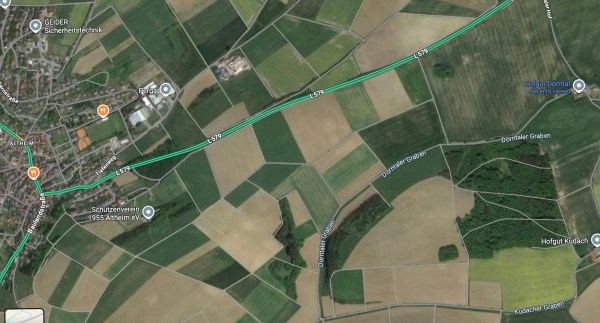
Town of Althheim on the left and Hofgut Dorntal on the top left Google Maps 2026.

The farm was a few miles from anywhere, so at night we would just watch TV. They took me most places they went, including to their next farmers’ meeting. We walked into a room with about twenty people sitting around a large table. They introduced me, and I had to walk around and shake everyone’s hands. They treated me as one of the family so much so that after their two daughters and their families left after a visit, Frau Knorzer said she was tired of entertaining them and glad it was just us!

My last day wasn’t a good day. Overnight visitors came and I am sleeping on a lawn chair in the sewing room. After the eggs, I had to clean out my room, help change the beds, vacuuum, make a cake with 20 minutes beating sugar and eggs, clean Soren’s room, clean up the kitchen, sweep, then lunch, clean the car, wash the floors and then I was finished!”

I left at the end of July after two months of work. I then had a month to travel before meeting up with my exchange group in Frankfurt for a trip to Berlin, before we flew home. I left the farm without any real plans. The Knorzers said that if I had any problems or for any reason, I was welcome to come back. They drove me to Osterburken, where I boarded a train to Heidleburg on my way to Frankfurt to begin another adventure.

My parents didn’t know where I was going or even if I had arrived. I sent a postcard soon after I arrived. 

“ I got 2 letters today. One from Mom and one from Dad. They just got my postcard on the 27th. That took over a month to get there. I think they were kind of worried.”
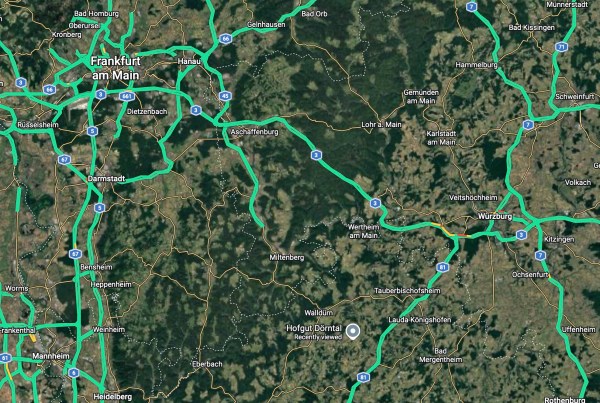
Hofgut Dorntal in relation to Frankfurt

Notes:

Fast forward to 2026. I Googled Hofgut Dorntal and Google Maps took me right to the farm. I could see the house and the outer buildings.

I also couldn’t find Eubigheim, but when I Googled Altheim, the town nearby, Eubigheim appeared on the map, right on a railway line. It was the closest station to the farm, but not the most convenient. There is a three-story building where the Banhof should be, but on the side of the building is a big sign “Eubigheim,” so it appears that it is the station. 

All the quotes are from a journal I kept during the summer of 1973.

I looked up Leo and Erna Knorzer on the internet and found their final resting places.

Gravsten: Friedhof Osterburken (Neckar-Odenwald-Kreis) Germany.

Knorzer Erna Hofmann 1922-2007.  Knorzer Leo 1911-2006.
My Uncle Frank: German or French?

supr8

1958 St-Eustache, Quebec. Super 8 film ‘capture.’

I never thought I would write about my Uncle Frank Walter, my Aunt Flo’s husband and my mother’s brother-in law.  He is, perhaps, the least controversial figure in our family. One might even call him boring. I never heard a word uttered for or against him – and, believe me, that’s saying a lot .

Frank married Flo her late in life, in 1955, when she was 50 and he was 63. He was a tile painter by trade. He was French from France, my mother told me, but in Quebec that’s hardly exotic.  My mother also told me his last name “Walter” was really pronounced “Valter,” but that didn’t seem important.

Frank and Flo, the giddy ‘newlyweds’ would visit us occasionally, in St. Eustache, north of Montreal, where we lived in the mid 1950’s. They had a big black Buick and they took it everywhere on day trips. They also had a Super 8 movie camera and I have a few seconds of faded film of Aunt Flo and me by the swing set. On another visit, they brought me a giant stuffed panda bear. I was enraptured. My brothers later beat the stuffing out of it, out of jealously, I imagine.

My family visited them at Christmas at their apartment in the city on West Hill Avenue in 1964.  I have a colour photo with my Dad and us kids sitting on their fancy pink French Provincial style couch that I would inherit much later in the 1980’s and put in our basement.

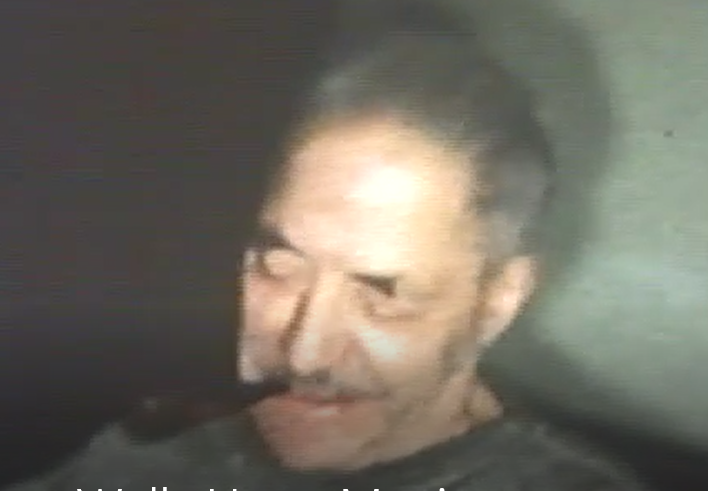
Frank was very old (in my eyes). He was the closest I came to having a grandfather around.  He had grey hair on the thin side and sported a debonair pencil moustach. He was always smoking a pipe.  I could sense, even as a child, that he was a bit on the vain side.  He had a twinkle in his eye and he still flirted with my Aunt Flo who happily flirted back. They made quite a pair.

Frank died in 1977 and I clearly recall the scene at the grave on a hill with trees in Notre Dame des Neiges Cemetery on the mountain, as Aunt Flo wept uncontrollably and the tears rolled down my cheeks in empathy. She was crushed at the loss of her “Ptoutsi.”

I thought of Uncle Frank again, in 1990, when Aunt Flo went into a retirement home.  Helping her clear out her apartment, I found a photo album from his WWII service. The album contained many pictures of younger female servicewomen. His girlfriends?  He was a ladies man, after all!  The album creeped me out, so I tossed it in the garbage.

At the same time, my aunt gave us her ‘junk’ to sell in a garage sale in our suburban garden. One piece was Frank’s foot locker from WWI. (Yes, he participated in two world wars.) A collector came around before the start of the sale, gave the tables in the yard a quick scan and immediately pointed to the foot locker.

“I guess French Infantry foot lockers from WWI are worth something,” I said to my husband, suddenly wishing I’d held on to it.

uncleffrank2 unlcef1

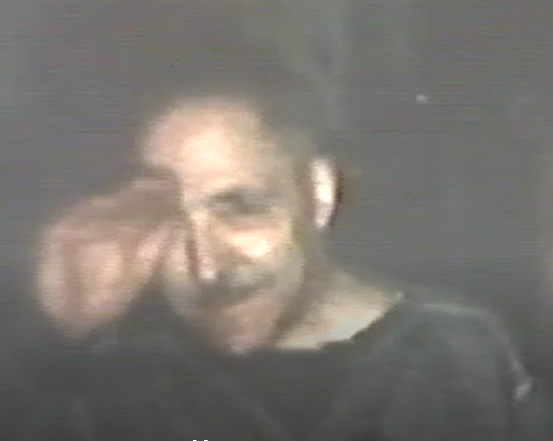
Intimate ‘captures’ of Frank and Flo from a Super 8 film taken in the mid to late 1950’s in their home.

flo1 flo3

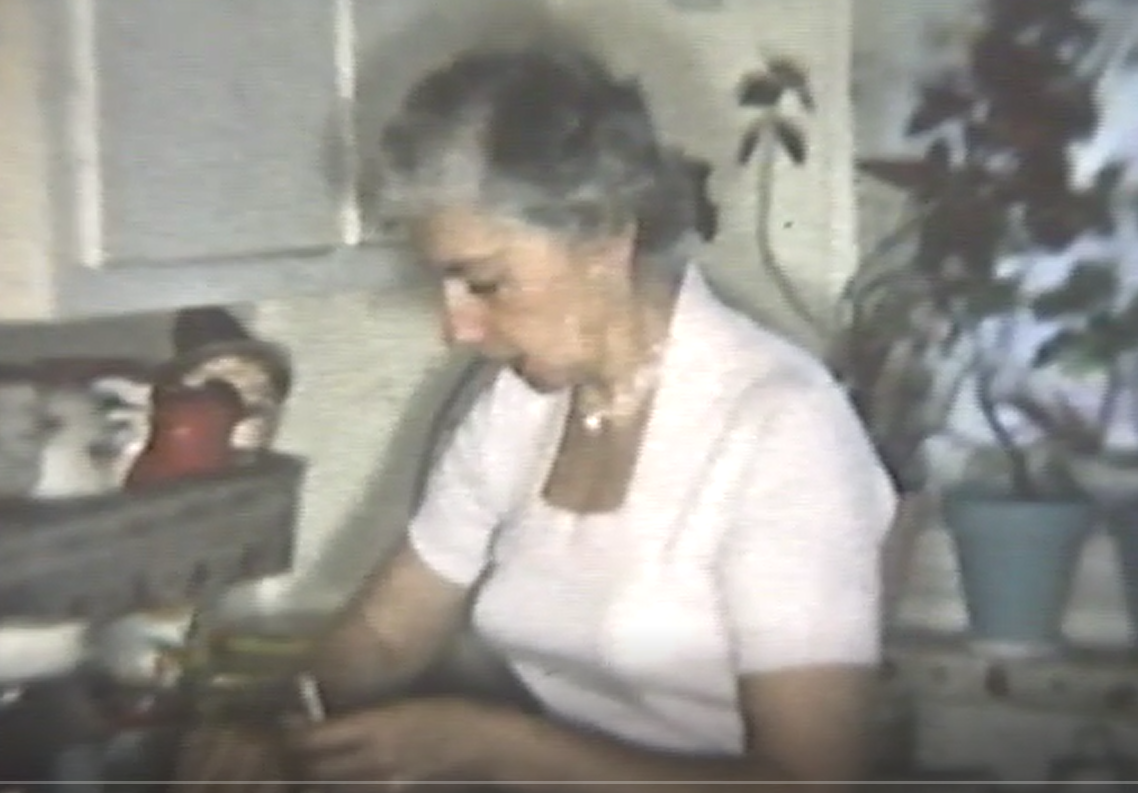
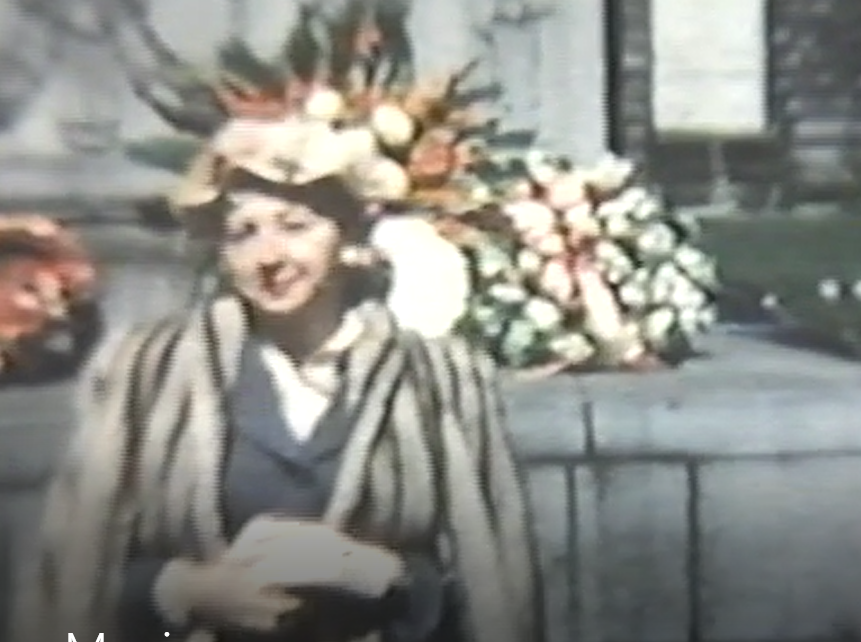
Left: Domestic life on West Hill, in NDG. Right: A visit to a war memorial in Montreal.

Aunt Flo died in 1999.

The other day, checking up on Aunt Flo in Notre Dame des Neiges cemetery1 where she was laid to rest, I realized she wasn’t in the family plot but buried with Frank and his family.

So, I took a closer look.  To my surprise, I saw that Uncle Frank’s full name, at least as listed at the cemetery, was Ferdinand Francois Walter and that he was named after his father, who was buried beside him.

Frank’s Mom, Octavie Turgeon, was there, too. A Quebecois name, that’s for sure. So Frank had a German-sounding father and a French Canadian mother.  He wasn’t even from France. He was Canadian-born.

I checked on Drouin and sure enough, Frank’s father, Ferdinand married his mother Octavie in Quebec, in 1890.2  Ferdinand, an engineer, was from Willers, Alsace Lorraine, the son of Francois, and Octavie was from Levis, Quebec.

(Willers, by the way, is one of those achingly picturesque towns in the Haut Rhine.) Ferdinand’s mother was a Berkertz, also German sounding.

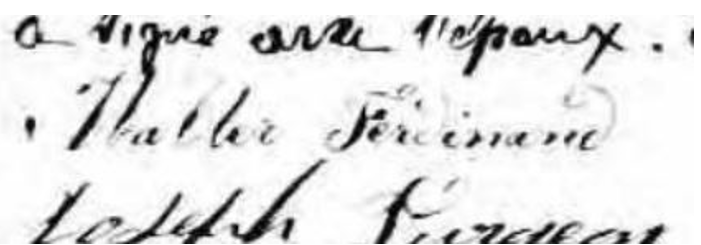
Ferdinand’s signature on the marriage document was remarkable in that it was executed in a meticulous ornamental font. I can see where Uncle Frank got his artistic talent. Octavie’s brother signed for her indicating she was illiterate.

The couple sounds like a mismatch. Maybe she was beautiful or rich.

Other Drouin records reveal that Ferdinand Francois, my Uncle Frank, was born in Montreal in 1893.3  WWI military records at LAC reveal Frank enlisted in the Canadian Army in 1916.

“Frank Fern” is how he is registered. So, that prized foot-locker was Canadian Army issue. Fern? Is that a typo, or, back in 1916, did Ferdinand sound too German?

Was Uncle Frank, French or German?  Actually, he was something in-between.

I checked the 1891 census to see that Frank’s father, Ferdinand Walter, emigrated to Canada in 1878, a few years after the Franco Prussian war, when Alsace was turned over to the Germans in the Treaty of Frankfurt, 1871. He is listed as “French” and “Catholic.”

I further learned that in 1872 residents of Alsace who wanted to remain French citizens had to make French Citizenship Declarations or automatically become German citizens. These declarations have been digitized and are available on Ancestry with an explanation. Apparently, there were 124 Walters from Alsace who were determined to keep their French citizenship. Five are listed under Francois.

I wonder if most in the Walter clan wanted to remain French.  That would take a lot more research.

In the end, I picked up some interesting European history while I learned a rather boring truth about my still very uncontroversial “French” Uncle Frank Walter – the “W” pronounced like a V.

Sorry if I led you to believe otherwise.

Still, I wonder how my young uncle felt in 1916 going  back ‘home’ to shoot at his cousins. Perhaps it was just business-as-usual. Alsace-Lorraine was been the site of a vicious tug-of-war between Germany and France for generations.

Ferdinand

Ferdinand’s pretty signature on his wedding certificate.

  1. Notre Dame des Neiges Cemetery: Locate a deceased person. https://www.cimetierenotredamedesneiges.ca/en/recherche-defunt
  2. Ancestry.ca. Quebec, Canada, Vital and Church Records, (Drouin Collection) 1621-1968. Marriage and death.
  3. Ancestry.ca. Quebec, Canada, Vital and Church Records, (Drouin Collection) 1621-1968. Marriage and death.
  4. Ancestry. ca. Quebec, Canada, Vital and Church Records, (Drouin Collection) 1621-1968. Marriage and death.

The German Soldier – Wolfgang Kempff

IMG_8356
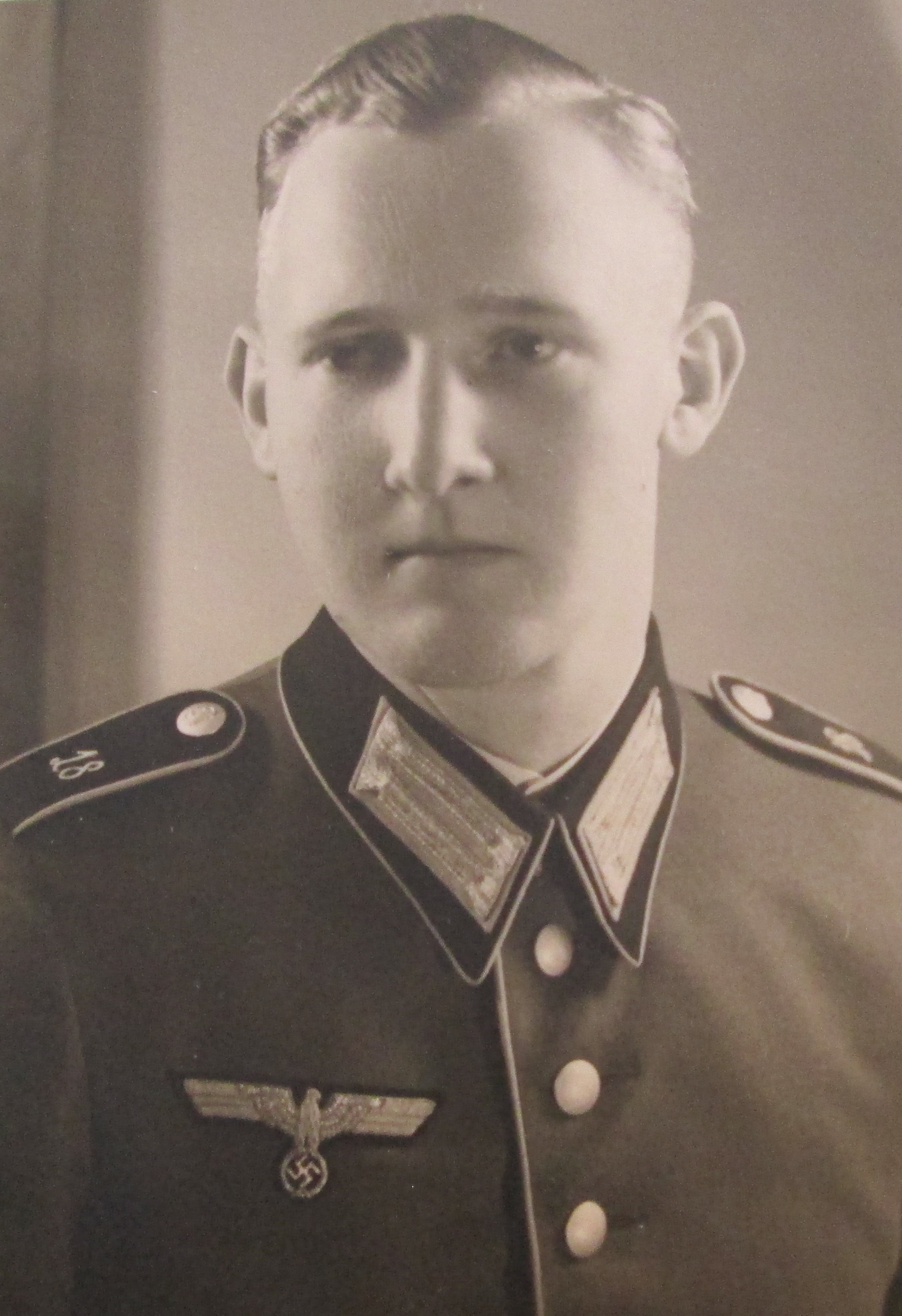
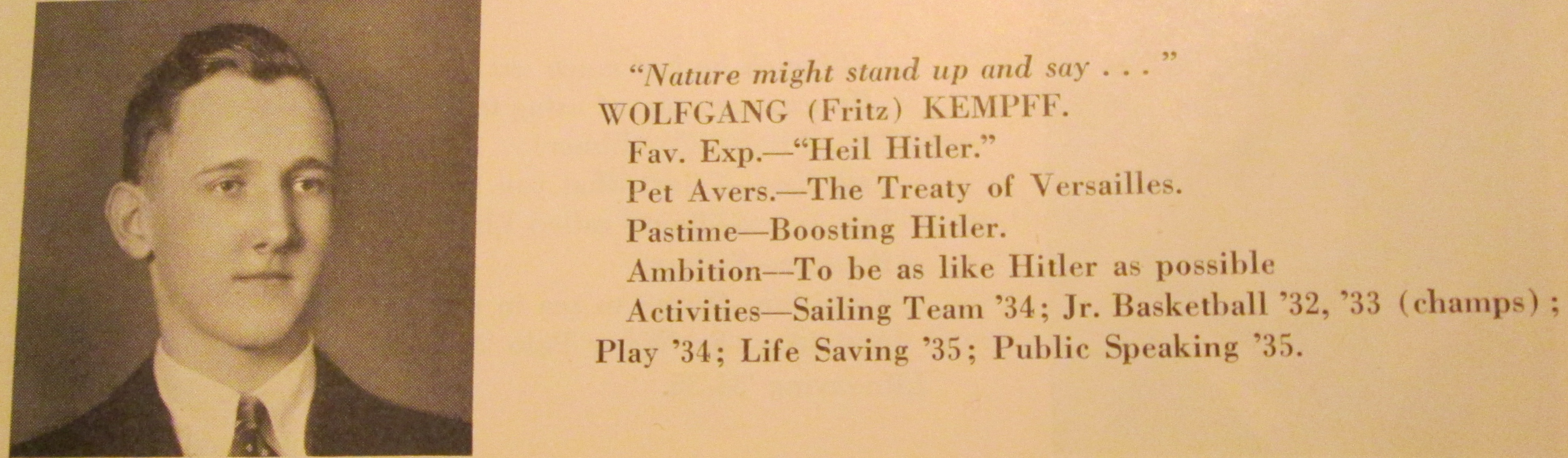
Wolfgang Kempff 1937

The last letter my father received from Wolfgang Kempff was dated Berlin, September 20, 1939. Canada had declared war on Germany ten days earlier.

We hear many stories about allied soldiers, their heroics in the war and how proud they and their ancestors are of the medals won. This past remembrance day there was a story about a couple who had found medals and were trying to reunite them with the recipient’s family. One person commented that his German father had burned all his medals, not wanting to remember his part in the war. This invoked other comments saying how we have never heard what the German soldiers really felt about Hitler and the war.

I have some letters written to my father from a German fellow, Wolfgang Kempff, who was just 22 in 1939. Wolfgang had followed in the footsteps of his older brother and spent four years in Canada, attending Westmount High School, Westmount Quebec. He enjoyed his time perfecting his english and living the Canadian life. When he graduated in June 1935 he returned to Germany.

He is pictured in the school year book with all the other graduates. His biography is very revealing of his thoughts and feelings about Hitler and the position of Germany at that time.

His Quote: “Nature might stand up and say……”

His Favourite Expression: Heil Hitler

Pet Aversion: The treaty of Versailles

Past Time: Boosting Hitler

Ambition: To be as like Hitler as possible

Activities: Sailing Team, Junior Basketball, Play, Lifesaving and Public Speaking.

Wolfgang corresponded with his school friends after he returned home. He was very anxious for them to come visit him, to enjoy German beer, wine, racing cars, skiing and opera. He lived in Berlin with his mother and their guest room was always available. He even suggested they try to win scholarships so they could study in Berlin.

In 1937 Wolfgang was in the German army. He loved it and thought he would have great success because of his knowledge of English. He was proud of being German and believed Hitler was doing great things for his country. “I really gave myself pains to do everything well, and one can only do that when one is “flesh and blood” for the idea.” Unfortunately because of his health, continual throat infections, he was dismissed from the army. He was very upset as he would have been promoted to the military school that October and become an officer 18 months later.

With his military career over, he decided to study engineering at the University in Berlin. He needed six months of practical experience working in a factory before he could begin his program. It would then take seven and a half years before he would obtain his degree, much longer than his friends in Canada. In the summer of 1938 he worked for the State Railway and found it a very interesting experience. That fall he started his second term in mechanical engineering.

Wolfgang was enjoying the typical student life, going out, drinking beer, ski trips in the Bavarian Alps and chatting up English girls. He was annoyed that his summer holidays were to be cut by five weeks, but in September 1939 he and his mother were to drive to Italy, with stops in Prague and Vienna.

IMG_8355
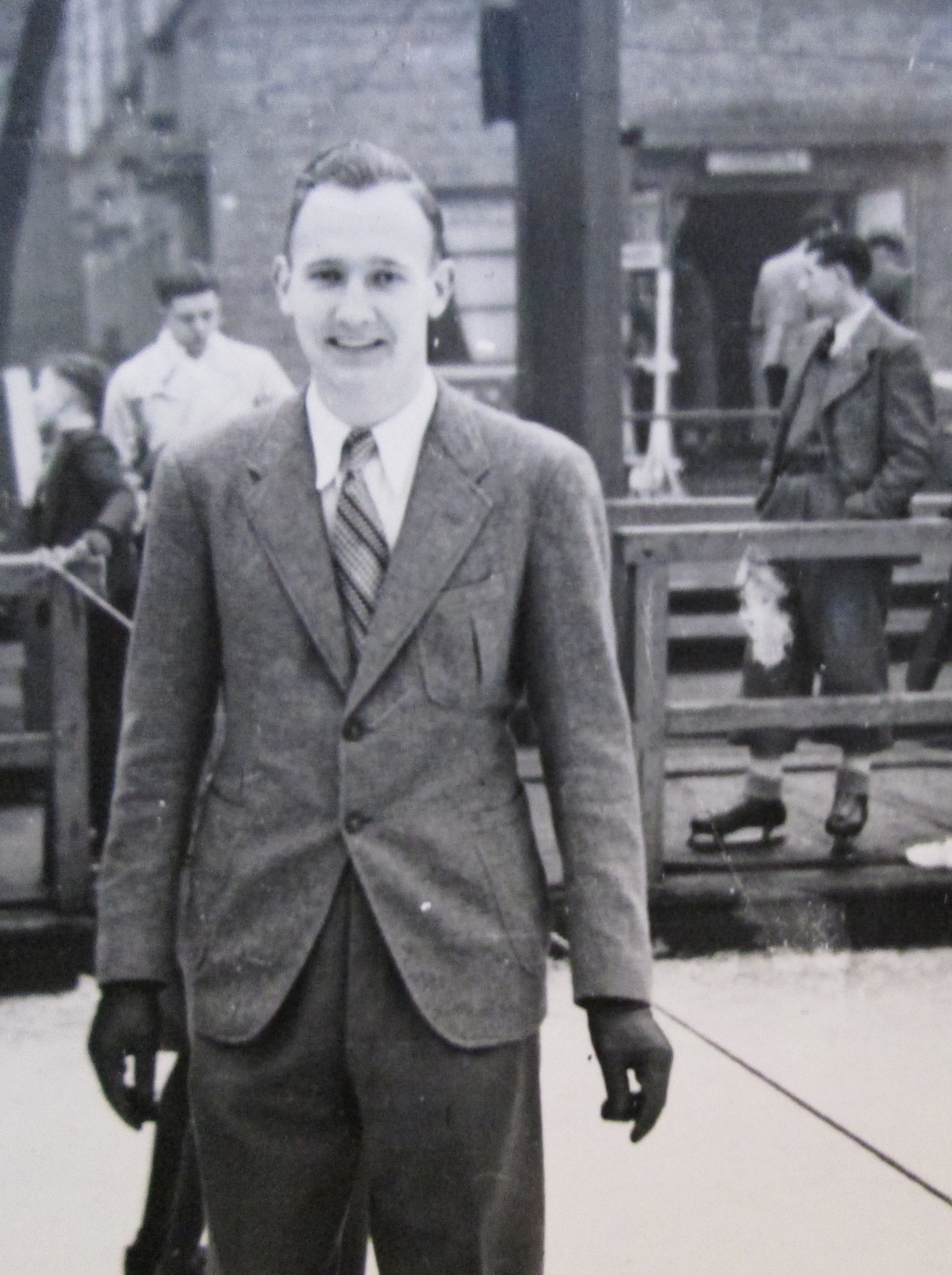
Wolfgang Ice Skating in Berlin 1938

He wrote about politics. He didn’t think what was reported in the west was the truth. Wolfgang thought German food rationing was a joke. Every person could still have a pound of butter per week and enough eggs for breakfast! Lobster and caviar were expensive but these luxuries were something people could do without. No one was starving as local meat and vegetables were still readily available and there was almost no unemployment. “In 6 years much has been achieved. Perhaps no country in history has undergone such a change in 6 years. Hitler said in one of his last speeches, that Germany would far rather spend cash on things than on an unproductive army but apparently other countries have different ideas.”

The final letter was from September 20, 1939. He said, unfortunately he and his mother had to cancel their trip to Italy. Wolfgang didn’t understand why Britain and Canada had declared war on Germany. “We fight our own battles and won’t stand other people sticking their fingers into things which are none of their business.” He felt the Allies had nothing to gain and everything to lose in fighting the very fine German forces. “I don’t suppose any of you fellows will ever get on French soil. My pity for the “Paile and Tommy” who is going to try to run in our fortresses.”

IMG_8369
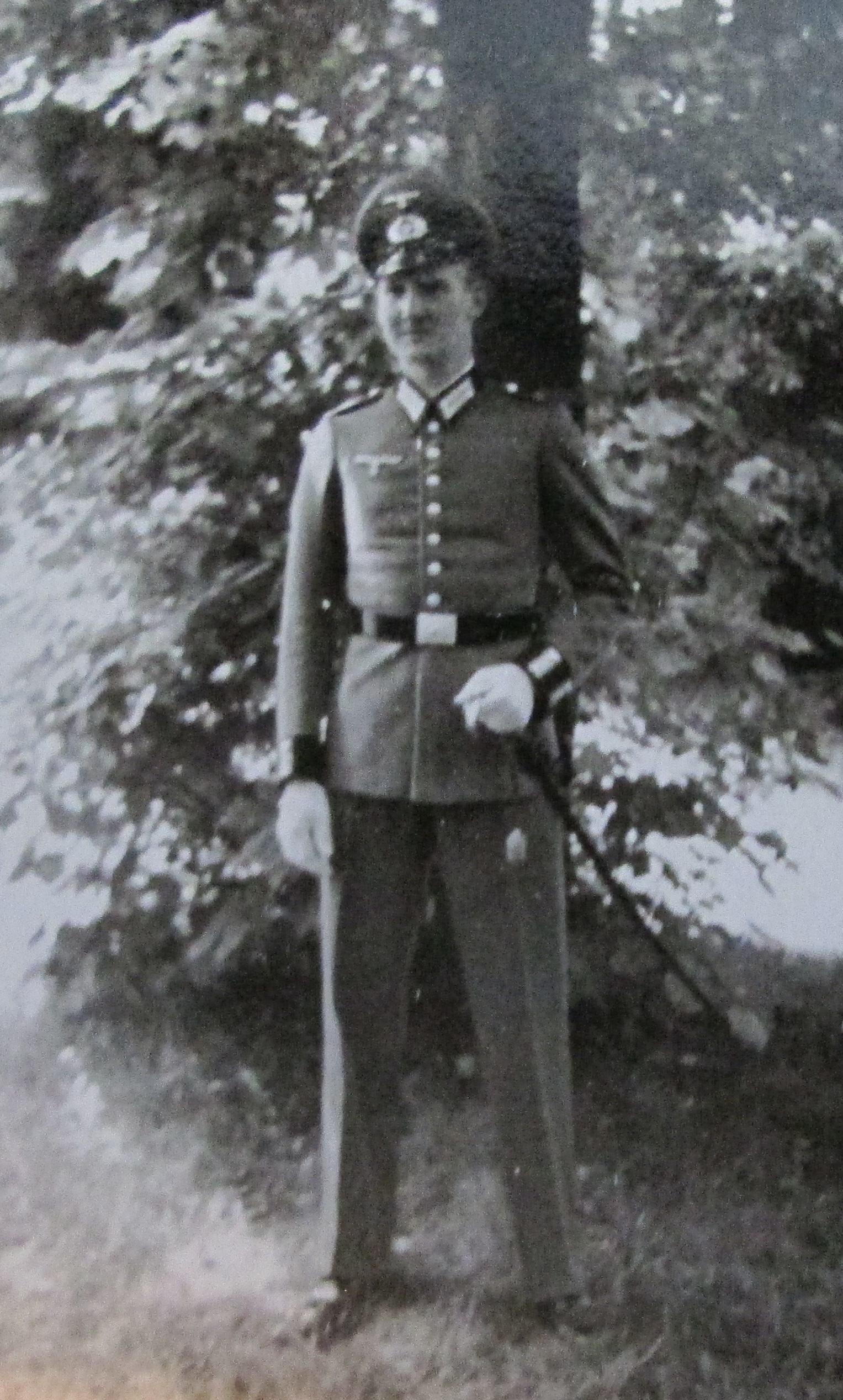
Wolfgang Kempff 1937

He certainly didn’t think the war would last very long. “My invitation still holds good when the scuffle is over. Please give my regards to everybody and with best wishes to you and your family,

Wolfgang

Notes:

Letters and photographs from Wolfgang Kempff, Germany to Donald Sutherland, Westmount, Quebec, Canada. Aug 5, 1937, Aug 23, 1938, March 29, 1939 and September 20, 1939.  In the author’s possession.

Westmount High School Annual, Westmount, Quebec, Canada. 1935

IMG_7951

I assume Wolfgang was accepted back into the German army and didn’t survive the war. As yet, I haven’t been able to find any more information about him.


The German Presence in the Eastern Townships, Central Quebec, the Richelieu River Valley and South-West Quebec

As in other parts of Quebec, German-speaking immigrants, including some Loyalists with German roots, integrated well into life in the Eastern Townships and surrounding regions. This compilation describes the towns and villages where some of these people have lived from the late 1700s to the 20th century. It names the churches they attended and the cemeteries where they were buried, and it helps the researcher locate these records.

The German Presence in the Eastern Townships Final Mar 6

Germanic Presence in Quebec City

The 2015 German Christmas Market in Quebec City, http://www.noelallemandquebec.com/
The 2015 German Christmas Market in Quebec City

Jacques begins his latest compilation, The German Presence in Quebec City, with a translated quote by German Quebec expert University of Montreal Professor Manuel Meune. In this quote, Meune describes the context of German immigration to Quebec over the years.

The circumstances Meune describes challenge family researchers with ancestors from Germany who might wonder where original records might be stored. To help sort out the information, Jacques has highlighted books and document collections in churches, libraries, schools and societies in and around the Quebec City area.

He’s also included Facebook or other contact information for each repository so researchers can visit these locations to explore what might be available.

Difficult holiday for two families

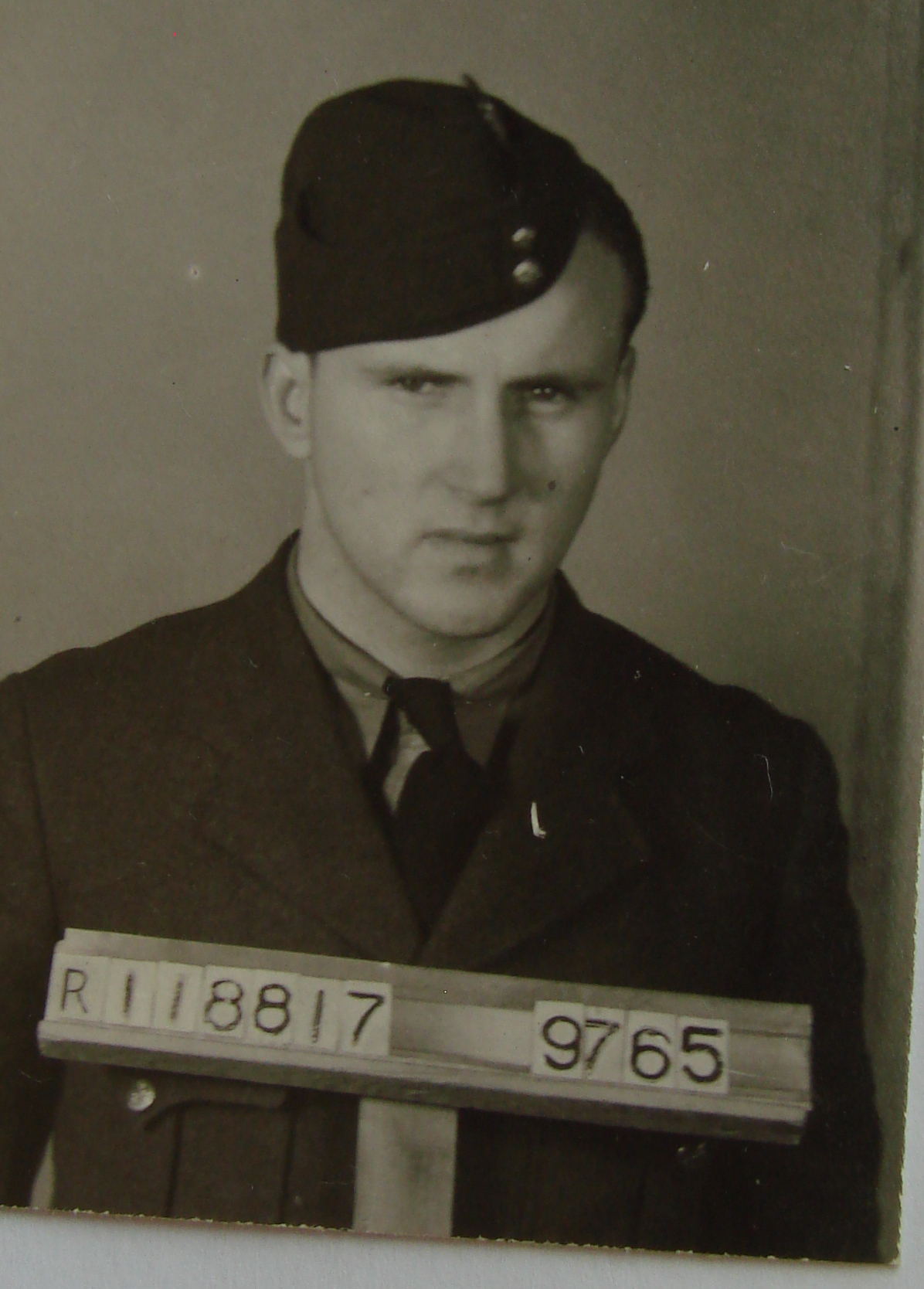
The plane crashed just after one in the afternoon Eastern Time on December 22, 1944. He probably died right then, or soon after.

Devittphoto2

James Frederick (Fredrick or Federic) Devitt left at least two families mourning for him, one in the United Kingdom and his own in Ontario.

His service file shows that the man was 22 years old when he died. His birth had been a Valentine’s Day gift for his parents. Prior to joining the Air Force, he worked for the Canada Bread Company in Peterborough as a driver and route manager. He played hockey and softball and owned a motor boat.[1]

His last trip as a flight engineer/pilot officer left from Gransden Lodge just prior to 4 p.m. in the afternoon, December 22, 1944, exactly 71 years ago yesterday.

His Lancaster and 13 others were on a Pathfinder mission to mark a small railway freight yard in Germany’s Rhine Valley. He was in Lancaster 405/D, which was seen crashing about three hours later by four pathfinders at 50:02 N. 06:25 E., southwest of Leimbach.

Blind Sky Marker failed to return from this operation and nothing has been heard from any member of the crew since time of take-off. This was F/O Tite’s 35th operation.” [2]

His mother’s notes to the Air Force show how difficult these situations were for families.

The telegram and letter reporting him going missing within a month of the crash was the only official news, but she still had hope that he had lived in May.

Can nothing be done to locate my son Fred? I have waited for days thinking some message would come through. I had word from two of the fathers from two of his crew saying their sons were prisoners of war. This was some time ago. Try and help a heart-broken mother please.”

Henrietta was 65 when her Devitt died, but she had already known great loss. His father Robert Campbell Devitt had already died of complications following a stomach ulcer operation when he was three years old, his older brothers were  five, 15 and 21 and his five sisters were eight, 11, 14, 17 and 19.

When she got news about her youngest son going missing, she was already dealing with the death of his elder brother Alexander, who had died the previous January in the Battle of Ortano, Italy.[3]

She wrote the Royal Air Force a second note three months later:

I have not heard any further word about my son Jas Fredric Devitt except what the three members of his crew who came back told me by letter. They said the plane burst into flames. One bailed out and two were blown out and what happened the rest is not known. Surely some identification marks were found. If he was killed and buried like my other son I wouldn’t take it so hard.

Two of the boys were taken as prisoners and the other wounded and put in a German hospital. All any one says is missing.”

A month later she wrote again.

Surely you can tell me something of my son Pilot Officer Jas Fud shot down over Germany December 22…If I know he was died and his body found my mind would be at rest—as it is I’m afraid of results.”

Another woman who loved him also worried. Eight months after his plane went down, a Mrs. S. Hitchings wrote the Royal Air Force from 111 Connaught Road, Roath Park, Cardiff. She too had heard that two airmen from his plane were taken prisoner and she hoped that perhaps they provided the Red Cross with information about Devitt.

I feel sure that if he was alive we would have heard from him, since he became part of our family whilst he was stationed in this country.”[4]

It would take another three years to be sure about what happened to the Lancaster, but Devitt’s service record indicates that:

This 4 engined aircraft fell 60 or 70 yards behind the fam of MARTIN STOMMES in WIERSDORF (L.0357). It was shot down by a German night fighter and was burning in the air, it hit the ground, turned on its back and burned for 3 hours. One engine and the tail unit fell off before it crashed.”

Three bodies and the remains of a fourth were buried in an unmarked grave.[5]

Devitt’s remains have since been moved to Rheinberg War Cemetery in Germany. For more information, refer to his Veterans Affairs Canada memorial page.

Sources:

[1] Devitt, James Frederick; Library and Archives Canada, RG-24, volume 25203, General Information.

[2] No. 405 R.C.A.F. Squadron (P.E.F.) Operations Record Book, Gransden Lodge, photocopies of secret book, December 22, 1944, Appendix 212.

[3] Devitt, James Frederick; Library and Archives Canada, RG-24, volume 25203, National Estates Branch, form C92768FD269, October 29, 1945.

[4] Devitt, James Frederick; Library and Archives Canada, RG-24, volume 25203, report from Officer Commanding No 2, MR&E Unit RAF, dated January 17, 1947.

[5] Devitt, James Frederick; Library and Archives Canada, RG-24, volume 25203, letter from S. Hitchings, received August 25, 1945.

Note: This article was also published on http://www.Arialview.ca today.