Tag Archives: Nixon

Parallel Lives

In April, 2008 I received an unsolicited email from a Mrs. Joan Hague of Montreal with just one word in the subject line: Changi.

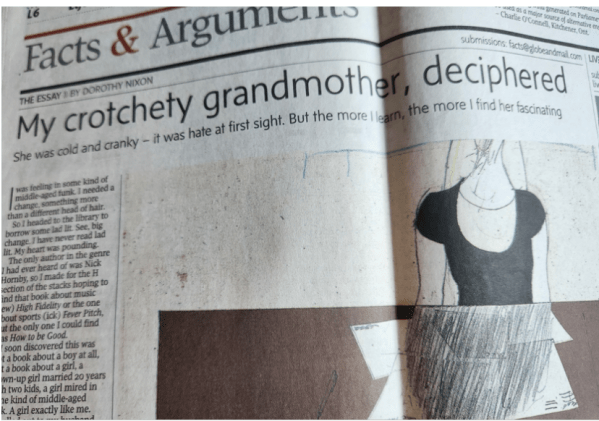
She had seen an article I had written about my grandmother  in the Facts and Arguments1section of the Globe and Mail. She wanted to tell me about her father, Thomas Kitching, who had been interned at Changi Internment Camp in Singapore during WWII, just like my grandmother Dorothy Nixon.

I visited the gracious Mrs. Hague (recently deceased at the ripe old age of 99) only to discover something extraordinary: Mrs. H. and my own father, Dorothy’s first son, Peter, had led parallel lives!

My father, Peter, was born on October 24, 1922 in Kuala Lumpur, to a Selangor planter, Robert Nixon of North Yorkshire and his wife, Dorothy Forster of  Teesdale, County Durham. Mrs. H. was born in Batu Gajah, Malaya in early November, 1922, to Thomas Kitching, the Surveyor of Singapore and his wife Nora.

As was the custom for British Colonials in the era, Mrs. H. was sent away at age six to go to school in England. She attended Harrogate Ladies’ College in North Yorkshire. My father was sent away at age five to go to a school in Maryport, Cumberland and then he went on to St. Bees prep school on the coast of Cumberland.
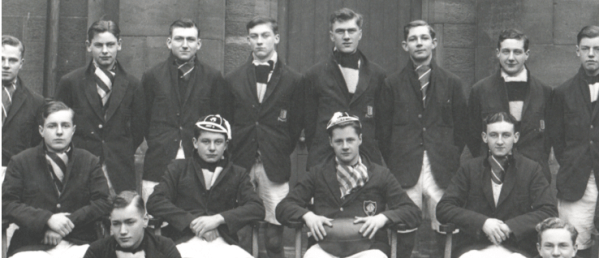
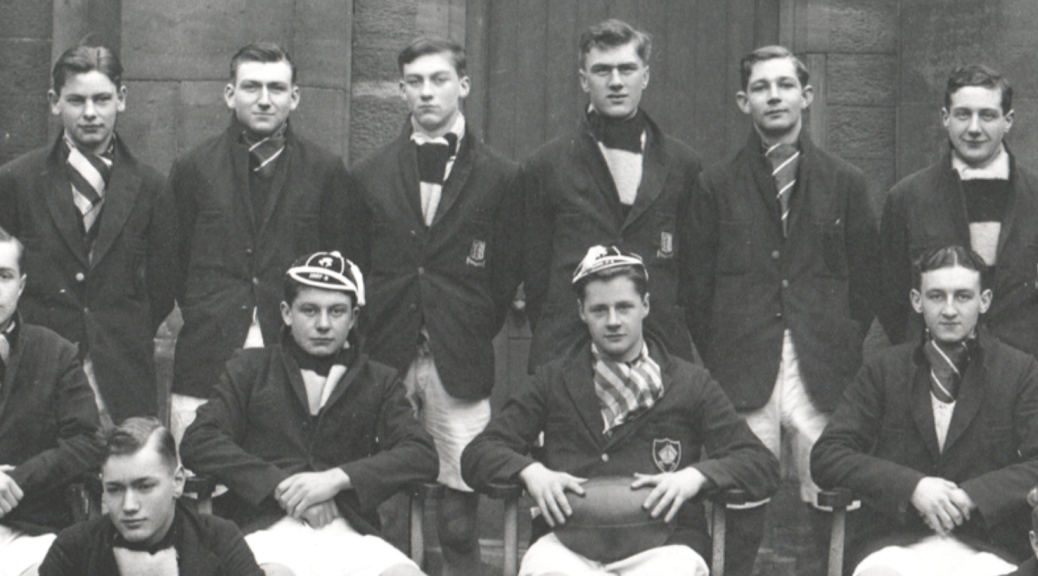
Senior Rugby St Bees School, Cumberland. My father at top, fourth from left. Courtesy St. Bees School Website.

Mrs. Hague told me she spent her holidays with a loving grandmother in Lancashire. My father and his even younger sister, Denise, were shuttled on vacations between random relatives who resented having to care for them.

Mrs. Hague’s mother, Nora, a nurse by profession, filled the void in her life with sports, golf mostly. She also scored cricket for Singapore. My grandmother, Dorothy, became the librarian at the Kuala Lumpur Book Club and she was Selangor’s official cricket scorer.
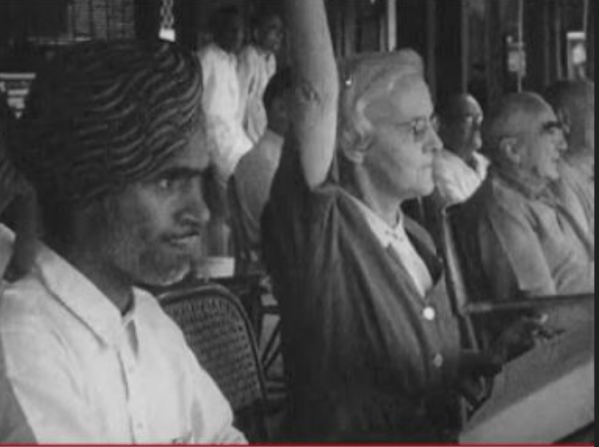
My grandmother, scoring cricket at Royal Selanor Club in K.L in 1952. Courtesy of a March of Time Newsreel. She was the ‘grand dame’ of Malayan cricket apparently. She told a reporter that she got into cricket because her husband, my grandfather, was one of the finest players in Malaya in the 1920’s and 30’s.

In 1939, when the phony war broke out in England, my father was about to go to Oxford. Mrs. H.  was in her last year at her ladies’ college. The Harrogate students were evacuated to another town. Mrs. H’s parents, in England for a time, brought her back to Singapore because they thought she would be safer. After two years at Oxford’s St Edmund Hall (where he was awarded ‘colours’ for rugby) my father signed up with the RAF and went to train in Saskatchewan, Canada.

The Japanese invaded Malaya on Boxing Day, 1942.The Japanese planes bombed “the green” at the center of KL, the site of many government buildings. My grandmother’s library building, adjacent the legendary Royal Selangor Club, was hit. During the bombing my grandmother hid under a desk. Later, she helped dig  four dead bodies from out of the rubble.

On that ominous day, Mrs. H and her mom were safely in “fortress” Singapore. They joined up as VADs, tending to the severely burned survivors of two navy ships that had been blown up by the Japanese in Singapore Harbour.  Mrs. H. had a vivid memory of unfolding the hospital cots that were all covered in a sticky goo to prevent rusting.

Kuala Lumpur soon fell. My grandmother was commanded to take a noisy, unlit night train to Singapore. Upon arriving, she immediately joined the ‘resistance’ at the Malaya Broadcasting Corporation.2
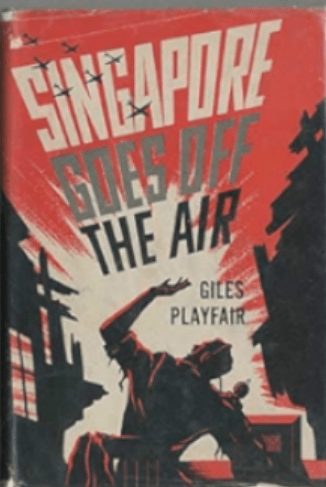
Giles Playfair, a reporter, wrote Singapore Goes off the Air in 1943, so it was likely a bit of wartime propaganda. He oft mentions my grandmother and seems to like her, but he disparages Colonial Wives as lazy and living above their station.

To everyone’s surprise and to Winston Churchill’s embarrassment Singapore soon fell as well. Mrs. H. escaped to Batavia and made it back to England but tragically Nora, her mother, took another boat, the Kuala, with 500 others including 250 women and children, and was lost at sea when her ship was bombed by the enemy.

Mrs. H. trained as a physiotherapist at St Thomas Hospital, London and volunteered at the Canadian Camp.

Mrs. H’s father, Thomas Kitching, was interned at Changi Internment Camp, as were my grandmother and grandfather, Dorothy and Robert Nixon. (Upon the fall of Singapore, Dorothy had stubbornly refused to escape to Batavia, staying instead to support wounded soldiers. A good thing, perhaps.)
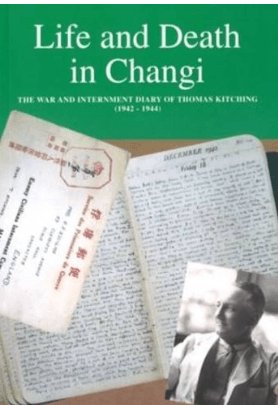
Thomas Kitching’s diary was published posthumously. Mrs. H. lent me a copy.

Kitching died of throat cancer in the men’s section of Changi prison in 1944 but he kept a diary of his time there that was later published. For a six month period my grandmother was Commandant of the Women’s Camp and according to her own unpublished memoirs she liked sneaking into the men’s camp, which was strictly against the rules, to gather information. The men had secret radio sets, you see, and she was an amateur radio enthusiast.

Malaya Straits Times 1936. The only woman among men. From what I have learned, that’s how “Granny,” educated at a co-eductional quaker school, liked it. This is why she just had to sneak into the men’s camp, a very dangerous act, I think. it certainly got her into trouble! Here she is described as Mrs. Dorothy Nixon. In those days and well into the 1960’s in newspapers in North America women were referred to as Mrs. John Smith.” They had no first names.

On October 10, 1944 many of these men and a few women were accused of spying in the infamous Double Tenth incident and taken by the Japanese Gestapo to a room in the basement of the local YMCA to be harshly interrogated, some men horribly tortured. My grandmother stayed in that stifling, bug-infested room with the crazed, half-starved men for a month, enduring a kick in the ribs on occasion, and then she was put in solitary confinement for another five months.

She survived her ordeal, but barely.

My father, meanwhile,  was posted to the Ferry Command based in Dorval, Quebec, a suburb of Montreal. A member of both the RAF and RCAF, he flew planes around the world, mostly mosquitos he told me.

A range of Mosquitos were manufactured to do everything from reconnaissance to bombing. Some were made in Downsview, Ontario. Ferrying planes from Canada to Europe was dangerous and many planes didn’t make it, but, hey, it was war.

In Montreal he met my mother, a French Canadian stenographer at RKO Radio Pictures probably at a party at the Mount Royal Hotel. They married after the war in 1949  once my father  had finished his war-shortened math degree at Oxford.
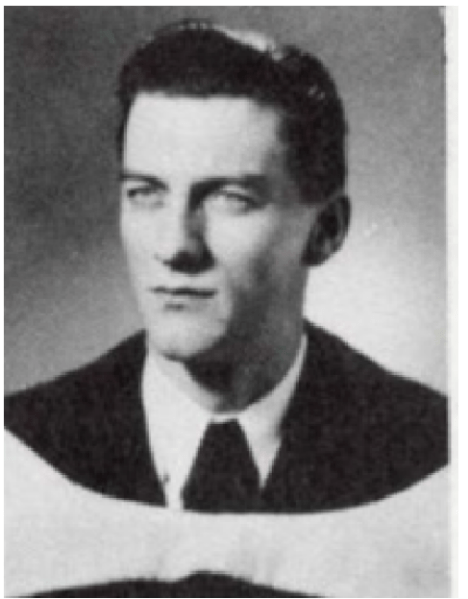
My father’s Sir George Williams grad pic, 1952, that I recently found online. Sir George Williams University night school was designed for returning soldiers, many of whom already had families.

In Montreal, my father added on a night time Commerce Degree from Sir George Williams University and a CA from McGill while working full time and raising a family.

Mrs. H. met her future husband, Mr H., the son of a prominent Westmount banker, during the war in London at a party for Canadian soldiers. The invitees brought with them a big juicy turkey apparently. The couple married in Morecambe Parish Church and moved to Montreal on the war bride scheme.

It is too bad I never got the chance to introduce Mrs. H. to my father as he succumbed to Alzheimer’s in the St. Anne de Bellevue Veteran’s Hospital in 2005. They certainly would have had a great deal to talk about!

Indeed, they may have already met. They both sent their sons to Lower Canada College on Royal Avenue in NDG in the 1960’s.

1. My Crochety Grandmother Deciphered.

2. Chronicled in a 1945 book Singapore Goes off the Air by Giles Playfair. The author wrote fondly of my grandmother, although he held the common belief (from back then) that Colonial women were indolent parvenues, ‘who would be sweeping out a four bedroom cottage back home’ were they not in Malaya attending fancy liquor-oiled soirees and waited on at home by a slew of servants.

3. Joan Hague obituary, chronicling her ‘interesting’ life with portrait young and old. I wrote this piece years ago and posted it on my personal blog after passing it by Joan Hague but also added two tidbits from her online obituary: Her marriage details and her work details.LINK HERE
Can We Ever REALLY Know our Ancestors?

Moor Guide.

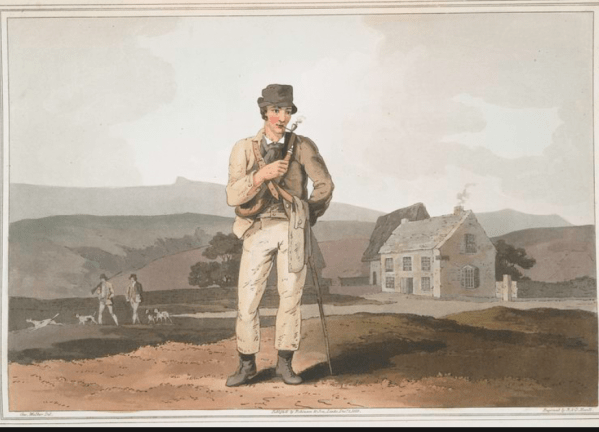
The Costumes of Yorkshire: George Walker, 1813. New York Public Library Online, Public Domain photo

“The past is a foreign country. They do things differently there,” writes L.P. Hartley at the very beginning of The Go-Between, a novel I read and loved in my 20’s.

As a woman who now likes to pen stories based on her family tree, this famous first line has new meaning for me. It makes me ask the question: Despite our best efforts, can we ever really know our more distant ancestors?

Sure, we can absorb with attention the family myths. We can dig out the dates of births, marriages and deaths. We can check out the newspaper record. We can look up legal documents and even research with scholarly precision the historical context of their -often- difficult lives.

But is that REALLY knowing them?

Or is the best way to know our ancestors through our own parents and grandparents, through their inherited behaviours and beliefs that we witnessed first-hand. I have three other ideas.

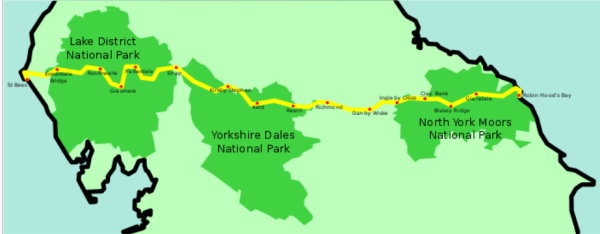
The Coast-to-Coast Walk (WIkipedia Share alike Pic John Carter

1. Visiting the ‘homeland’ can give you a feel for who your ancestors were.

There’s a well-known 182 mile coast-to-coast hike that goes from the soaring sandstone cliffs of St. Bee’s Head on the west coast of Cumbria to the charming storied fishing village of Robin Hood’s Bay on the east coast in Yorkshire. Patching together my father’s Nixon/Forster family tree, I discovered he had ancestors; farmers, lead miners, grocers, servants; living just north and south of – and even directly on – this picturesque route.

This 182 mile ‘footpath’ traverses three national parks: The Lake District, Yorkshire Dales and North York Moors National Parks. It’s a walk that offers up isolated pebbled beaches and quaint historic villages; rugged wildernesses with hilltop cairns; flat easy patches with long sweeping vistas; medieval castles and ancient stone circles; serene valleys dotted with sheep; sturdy Roman roads and magical heather moorlands.

As it happens, I can take this hike anytime (on YouTube) and see with my own eyes pretty much what many of my ancestors saw with their own eyes.

My ancestors had good eyes, I bet, for long distance gazing. Strong legs, too. And leathery skin beaten up by the cold wet winds of the moors. They probably were skinny and didn’t worry about cholesterol as they downed their breakfasts of heavy black rye bread and fatty bacon. Come to think of it, that description fits my ­father pretty well. His exceptional long distance eye-sight and strong legs made him a top athlete in the 1930’s at this boarding school in St. Bees. He was still participating in cross-country ski marathons in Quebec in the 1980s.1

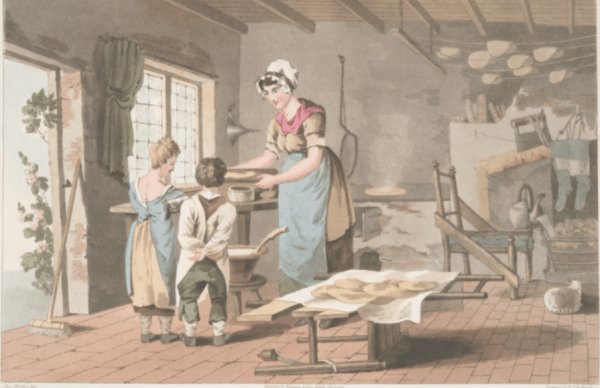
Woman making oatcakes on a Yorkshire farm

2. You can always look to old family recipes to teach yourself something essential about your antecedents.

In my 1960’s Montreal home, on Saturdays when we ate roast beef, I was in charge of making the Yorkshire pudding, and I do believe that it was my father who showed me how to make the batter and take fat drippings from the roast and spoon it into the bottom of the muffin tins.

Still, it was my French Canadian mother who was in charge of the kitchen and her roast was ‘blue’ -practically mooing on the plate a la francaise. My father ate only the outside over-cooked part.

Apart from frying our POM (Pride of Montreal) white bread slices in bacon fat (ICK!) and threatening to feed us smoked herring (double ICK) my British pater (who was born in Malaya, after all) didn’t seem to know much about his native Yorkshire foods. He never mentioned the oatcakes that were a staple of the poor; or the cheese pies eaten on various festive occasions or the special mutton pie made with candied fruit in a rich crust served with fresh fried trout and curd cheesecakes, washed down with ‘home-made’ whisky served as a reward at the end of sheep-shearing season.

As a child of the Raj, my father more often spoke with fond nostalgia of the Mulligatawny soup (curried chicken with apples) he ate on his father’s Selangor Rubber Estate.

Still, somehow, more through his dislikes rather than his preferences, I learned that (generally-speaking) eating plain hearty food was in his North of England blood.

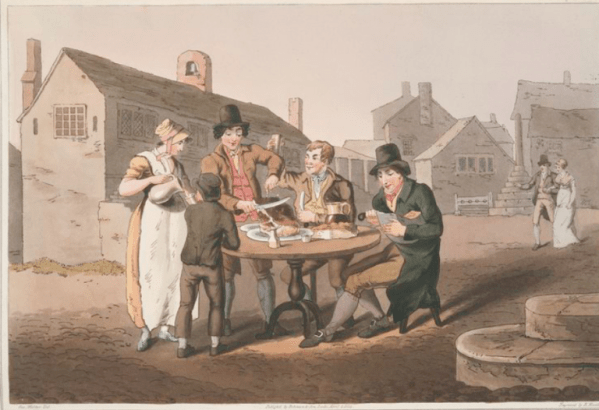
Midsummer Eve in Yorkshire – a time when witches and fairies come out to play with the humans.

3. Consulting out-of-print genealogy books can give you an insider’s knowledge about the people who came before.

I stumbled upon a terrific little volume online: Rambles Through the North Yorkshire Dales. Published 1913 on archive.org. The book even has a chapter on the Yorkshire character. Bingo!

The Yorkshireman, says the author, a native, is notorious for being tight-fisted. “He loves to get the best of a bargain not only for business purposes but as sport.” He is suspicious of strangers, especially of the patronizing upper-crust kind. He is “reticent and hard on the outside with a queer sense of independence and a real and natural sense of humour.”

So right! My father would drive ten miles to save ten cents on gasoline. He could deconstruct a person’s character, a television show, a work of art with one well-chosen (often withering) word. He didn’t follow the current fashion – and mocked us when we wanted to. He was amused by the minutia of everyday life, although I seldom got his subtle jokes.

Yorkshiremen says the book are filled with ‘a fierce romanticism, a strong religious fervour.’ Still, people from the North of England were once very superstitious. These people believed or half-believed in dragons and water sprites, fairies and ‘boggles’ or imps who were often the ghosts of nasty feudal landlords long dead.

Many of the local traditions around holy wells and sacred fires, etc. stem back to pre-Christian times. and are still carried out in various and sundry small towns.

Does this fit my father? No, not at all. My father, educated in mathematics at Oxford, was a pragmatist. Still, he seemed to actually take delight in reading fairy tales to me.

Peter Nixon and Marie Marthe Crepeau

And last but not least, my North of England ancestors spoke funny. Real funny. According to my mother, my father lost his English accent the day he arrived in Canada.

I learned about the Yorkshire dialect by watching the original All Creatures Great and Small television series based on the life of Alf Wight or James Herriot, a veterinarian, in Thirsk, North Yorkshire. In that show, locals were used to play the farmers and I often needed subtitles to understand them!

No, my Yorkshire father never said things like, “Ere, wot’s f’r us tea Mutha” as in “Mother, what are we having for dinner?”

M’of t’sop, d’yawanowt?

I’m going to the shop? Do you want me to get anything?

Put t’wood int ‘ole. Close the door. (Put the wood in the hole)

Sit this sen Darn as in Sit down.3

but I suspect his grandfather, Robert Nixon, who was working as a delver in the local Rievaulx quarry in 1911 certainly did.

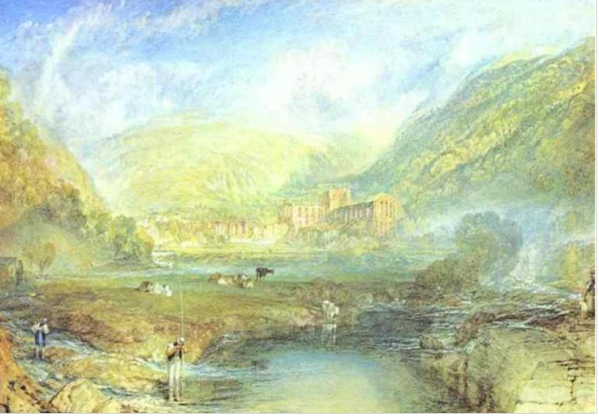
Rievaulx Castle by Turner: There is no shortage of paintings of the North of England, from Victorian Era and beyond, but these paintings seldom depict working people. The few I could find online were not Creative Commons. Indeed, Her Majesty the Queen has a nice one of poor fisher folk in her collection.
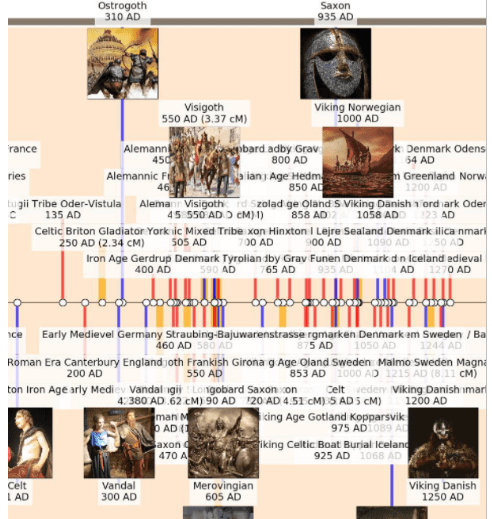
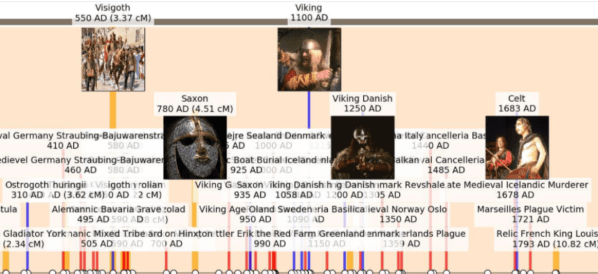
My father’s ancient genes according to mytrueancestry.com. Yes, Danish and Norwegian Viking, Saxon, Visigoth, Merovingian. The history of Yorkshire indicates this is all pretty on spot. He has lot of Celt too. And some deep Illyrian (Croatia). Maybe this has something to do with Hadrian’s Wall and the Roman Legions (mercenaries) who manned the outpost. Apparently, Northern English is riddled with Viking words.
  1. Even better, his younger brother, Michael Nixon, living in Keswick right on the hiking path, was awarded the MBE for performing mountain top search and rescue in the mountains of the Lake Country well into his 80s! https://keswickmrt.org.uk/mike-nixon-mbe-1928-2018/)
  2. I never met Michael. I don’t think my father knew him at all, either.
  3. My father very very often made fun of the Canadian ‘aboot’ for ‘about.’ From what I can see, this ‘aboot’ is right outta Yorkshire so I have to wonder if there was something subconscious going on here: if years before at prep school he had had the ‘aboot’ shamed out of him. My grandmother spoke in the Queen’s English. She was from County Durham but educated at a Quaker School. I know because I have a tape of her speaking about British Malaya from Cambridge University archives. It is not in the public domain so I can’t link it here. https://imfromyorkshire.uk.com/yorkshire-sayings. Here’s a link to BBC Sounds discussion of English spoken in Helmsley North Yorkshire, the home of the Nixons. https://sounds.bl.uk/Accents-and-dialects/BBC-Voices/021M-C1190X0035XX-0301V0

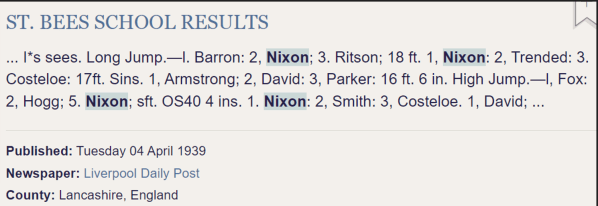
My father was the top athlete at his school in 1939. This he had told me. He always wondered how good he might have been if he hadn’t been a chain smoker. Even better, in 1939, the newspaper record shows, he was the only one in his school to make the Northern England Cricket Team (for schools). This was a big deal, because a famous England coach was to be there! Years ago, I contacted the St Bees Historian who sent me a short record belonging to my father. The historian was impressed by the fact my father had captained all the school teams. I was impressed that he had been in the Shakespeare Club. That’s because my father used to always say “Out out damned Spot” to our dog, named Spotty. LOL. My father also told me a sadder story about how another student had once approached him saying, “I wish I were you.” My father, who basically had been orphaned at five by his Colonial parents, thought “No you don’t.” I put this is another story here on this blog..To the Lighthouse.

The unwed moms of the North Yorkshire Moors

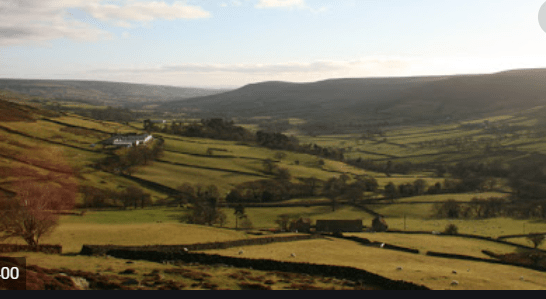
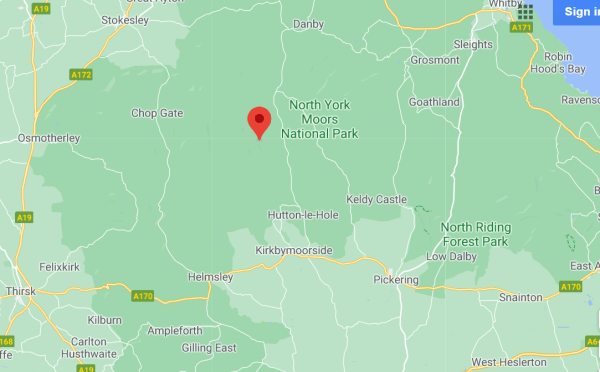
Ye Olde Homestead: Farndale, Yorkshire moors. Farndale-holidays.co.uk
To see other notable landmarks, including Castle Howard visit https://farndalecottages.co.uk/out-and-about/heritage/

While cobbling together my fathers’s family tree 1, I discovered that his paternal Nixon line2dies out in 1834, when Robert Nixon is born in Marton, North Yorkshire, taking his surname from his mother, Hannah Nixon of nearby Kirkdale. Their reputation is redeemed five years later in 1840 when Hannah marries Christopher Neesam of Osmotherly shortly after she gives birth to a second child, a girl.

There’s no record of Robert’s birth or who Robert’s real father is – and, thanks to further research, I think I know the reason why.

Judging from my father’s family tree,unwed motherhood was not unusual among these Yorkshire farmers.

Church records from rural Yorkshire in medieval times and beyond back up my observation. They reveal that unwed mothers were, indeed, commonplace even way-back-when and the number of unwed mothers in that place only increased over the next few centuries, most notably in the northern ridings.3

As it happens, Yorkshireman Robert Nixon, Hannah Nixon’s illegitimate child, gets married in 1857 to a kindred spirit, Martha Featherstone. Martha, too, had been born out of wedlock in 1835.

Martha’s mom, Mary Featherstone of Pickering, like her mother-in-law Hannah Nixon Neesam before her, gets married a few years later, in 1840, to one Joseph Shaw. 6

Oddly, the DNA cousin matches/tree matches suggest my father is related to both Joseph Shaw and Mary Featherstone,* so this could be a case of a very delayed marriage, for whatever reason.

Maybe that is Hannah Nixon’s case, too. However, I’ve yet to find any Neesam DNA connection to my father’s tree.

In the small town of Rudby (7 miles from Marton, just north of the moors) as much as ten percent of women had children out of wedlock in the early 1800’s. These unwed mothers were stigmatized not only for religious reasons but because they were costly to the town. Sadly, the ‘bastardy wages’ paid to these mothers didn’t do much to end their woes or improve their children’s prospects. An illegitimate child was twice as likely to die in infancy as a child with legal parentage.

Local authorities in Rudby believed that most unwed mothers were the result of ‘courting couples’ where the young man involved was simply marriage-averse, sometimes preferring jail time to tying the knot. It didn’t help the situation, they said, that many unmarried tenant farmers were content with their ‘live-in’ servants (sic).

Modern scholars examining these same records acknowledge that adultery and incest (and, let’s face it, rape) inflated the number of unwed mothers in England but, they think, not to any great degree.4

Grim history, indeed, but my research findings do get brighter.

According to another source5, unwed mothers in the country did have it better than their counterparts in more urbanized areas. A more stable population likely made for a better support system for these women.

In fact, unwed mothers in 18th and 19th century rural Yorkshire weren’t even expected to name a father. A gal in the family way just told her own mom who gathered up her hat and shawl and headed out to find an eligible young man to take the bio-father’s place. (Practical people, those Yorkshire farmers.)

Unwed mothers were also protected by the old Norse superstitions still adhered to by many. One of these superstitions maintained that pregnant women had magical powers, so they were not to be crossed.

The workhouse in Helmsley, hometown of the Nixon clan from the 1800’s onward. Unmarried mothers might end up here to pay off their ‘bastardy’ support, where they were allowed to nurse their child but twice a day. 3

.

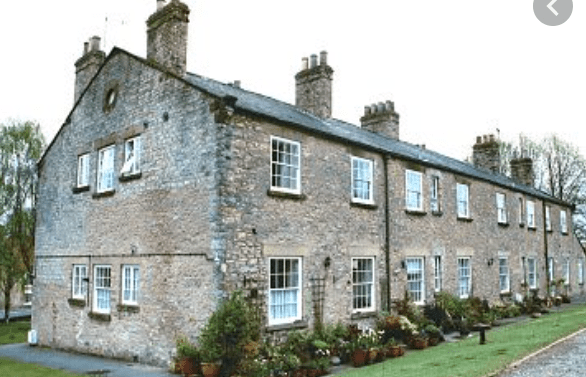
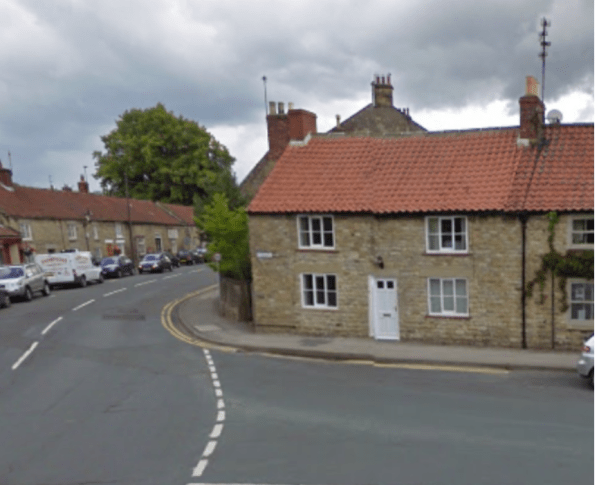
The street in Helmsley where the Nixons lived in 1911. My grandfather, Robert Nixon, was born here in 1890. In 1911, he was a footman at Duncombe Park. Supposedly he got a girl pregnant right about then so he was sent out to Malaya in 1912 to be a planter. Family myth says this woman was either a fellow servant or the Earl’s daughter. Considering the high cost of going to Malaya in the day and that posts in Malaya were given out to sons of richer men, I suspect the woman was from an important family. This would have made a great sub-plot on Downton Abbey, a fictional story that unfolds in the same area.

1. I admit that I mostly used other people’s research to compile my tree. My father, a child of the Raj, told me little about his British roots. The only information I had to go on was that his mother’s father was a Methodist minister and that some of his ancestors were hanged for sheep stealing. See Border Reiving Ruffians. Also see Dissenters and Poets.

But after I compiled his tree with ancestors from places like Helmsley, Farndale and Appleton-le-Moors, I discovered, through DNA, that the ‘cousin trail’ matches on Ancestry supports the tree, 100 percent, at least for the first few generations. My father has matches both in centimorgans (dna) and tree with people on all branches of the tree.

Let me give you one example: When I discovered, using a stranger’s tree, that my father had a great grandmother, Anne Nesfield from Sleights, this explained his rather silly middle name to me. My father signed his name P N F Nixon, as in Peter Nesfield Forster Nixon.

The Nesfield clan of Ugglebarnby etc. Yorkshire is a well established. My father is a close genetic match with someone else with this Anne Nesfield in his tree. These genes make great rugby players as both sides have world-class players.

2. In genetics, the male Y chromosome haplogroup (or set of common alleles passed from father to son) is a much valued tool used by historians and ethno-anthropologists to track historical population movements back to the bronze age and even farther. All haplogroups are assigned letter and number signatures. My Yorkshire father Peter Nixon’s Y dna haplogroup is I1 Z63. I1 is the most common haplogroup in Northern Europe.

Apparently, my father’s Z63 subgroup dominated Northern Germany before the arrival of Charlemagne (who infamously lopped off the heads of thousands of male Saxons) and has has deep origins in Jutland (Denmark). Yorkshire is the most Anglo Saxon region in all England.

3. Hastings, R. P. Poverty and the Poor Law in the North Riding of Yorkshire: 1780-1837. Unwed mothers often had to repay their bastardy wages by employment in the Workhouse. In Victorian Times in Helmsley, as recommended by the authorities, mothers in workhouses were permitted to nurse their children only twice daily. The infants’ diet was supplemented with ONE meal of cow’s milk sweetened with sugar.

4. ibid ( That seems odd to me as I know that Emmeline Pankhurst turned to woman suffrage advocacy when she saw so many young teen patients in her husband’s Manchester clinic who were pregnant by incest.)

5. Gillis, J.R. For Better For Worse: British Marriages from 1600 to Present.

6. There is no birth record for either Robert Nixon or Martha Featherstone. Census records are what the genealogies go by.


My father’s ancient heritage on mytrueancestry.com.

I found this on Youtube, an interview with Tamara Hoggarth, born 1860 in Marton. (The poster says “She’s speaking English, I promise.” According to his blurb, she also had an illegitimate child before marrying

Here it is

My Grandfather, North Yorkshire and Discobulus

VenusandAdonis

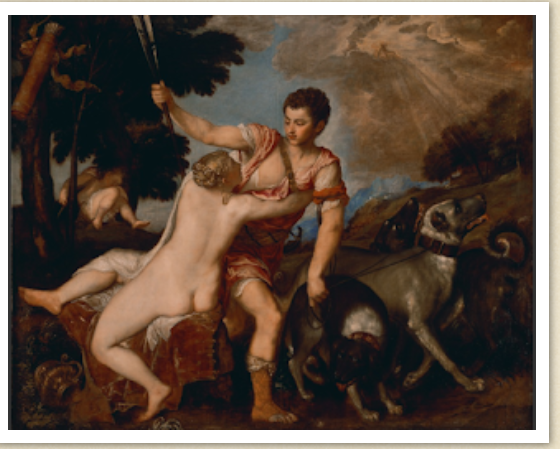
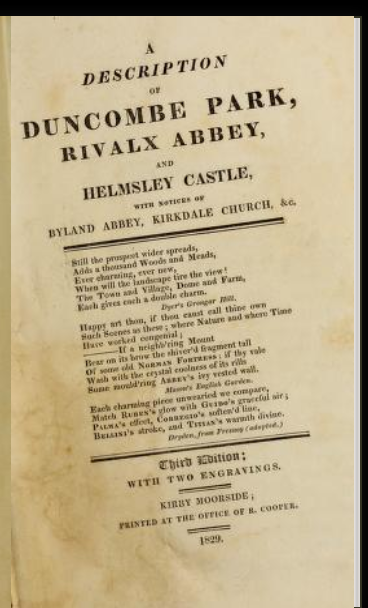
Venus and Adonis by Titian. This Renaissance painting is now at the Getty Museum in Los Angeles but it once graced the Hall of Duncombe Park in Helmsley, North Yorkshire. I know this because of a precious little volume from 1829 I found on archive.org, A Description of Duncombe Park, Rivalx Abbey and Helmsley Castle.

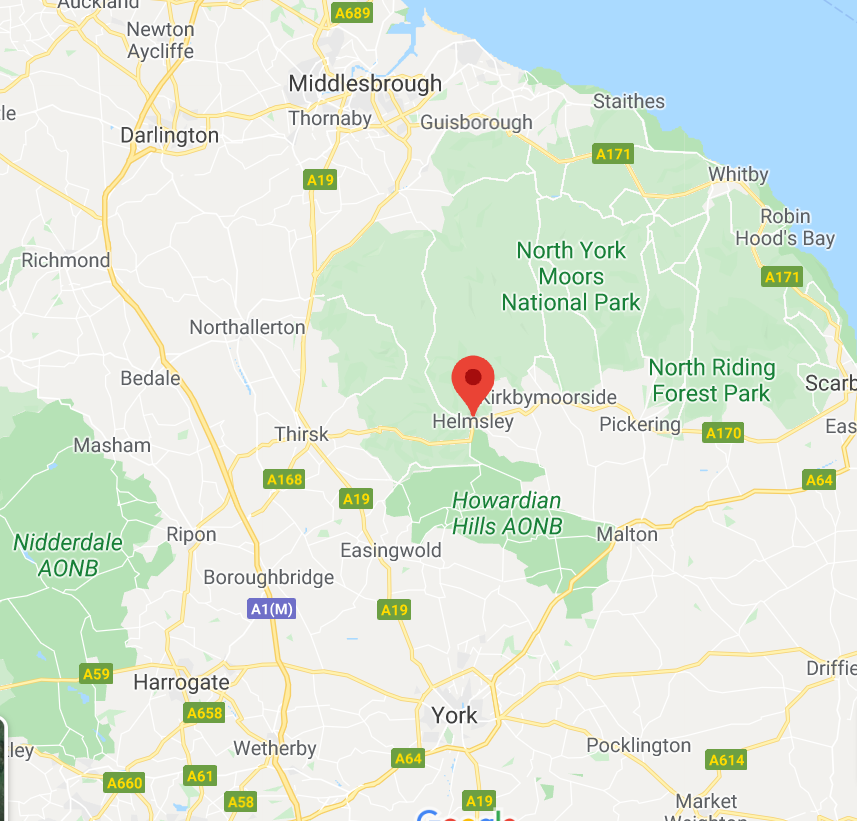
As it happens, my father’s  paternal ancestors are from Helmsley, today a picturesque market and tourist town on the River Pye in the Ryedale District.

helmsley

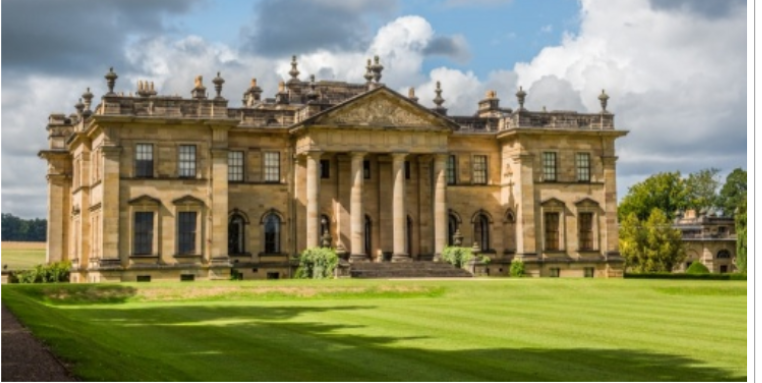
Duncombe Park  was once an imposing structure in the Doric style built in 1718 overlooking Helmsley Castle not far from Thirsk where the vet who inspired All Creatures Great and Small worked. It was the seat of the Earls of Feversham.

My grandfather, Robert Nixon (1890-1967), was born to Robert Nixon Sr. and Mary-Ellen Richardson.

helmsleynixonhouse

This stretch of very unimposing row houses is where the Nixons lived in 1911, according to the UK Census.

abbott'swellcottge

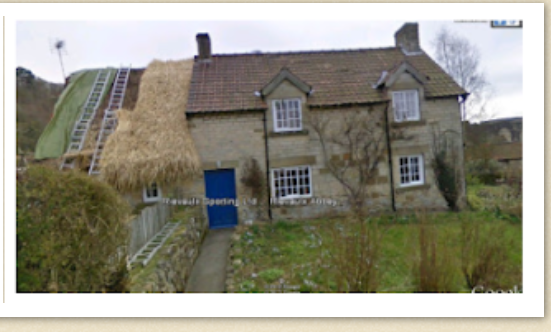
Mary-Ellen was from nearby Rievaulx, a village famous for its cathedral ruins. She was born in this quaint cottage, Abbot’s Well. Her dad was a tailor.

RobertCENSUS

According to this census, Robert Nixon Sr. was a delver in a quarry in Rievaulx in 1911.

The same census page says my grandfather, Robert Jr.  21,  was a footman, likely at Duncombe Park. Robert was a strapping 6 foot 4 inches tall. The gentry liked their footmen to be fine physical specimens, but this was not always a good thing if Nixon family lore can be counted upon.

According to an English ‘auntie’ of my  father’s, the daughter of ‘the local earl’ went ga-ga for young Robert back in the day, so the love-struck girl’s powerful father sent him away, far away to Malaya.

I have no picture of Robert, but I recall seeing one decades ago and he looked like my dad, Peter.  So here’s a picture of Peter in 1958 holding our new puppy, Spotty, a coonhound. My father was also 6 foot four inches tall.

father

This might be true: posts in Malaya were for the children of well-off families, not delver’s sons. However, a Nixon cousin told me his mother told him Robert got another servant pregnant. Nothing earth-shattering in that, though, is there?

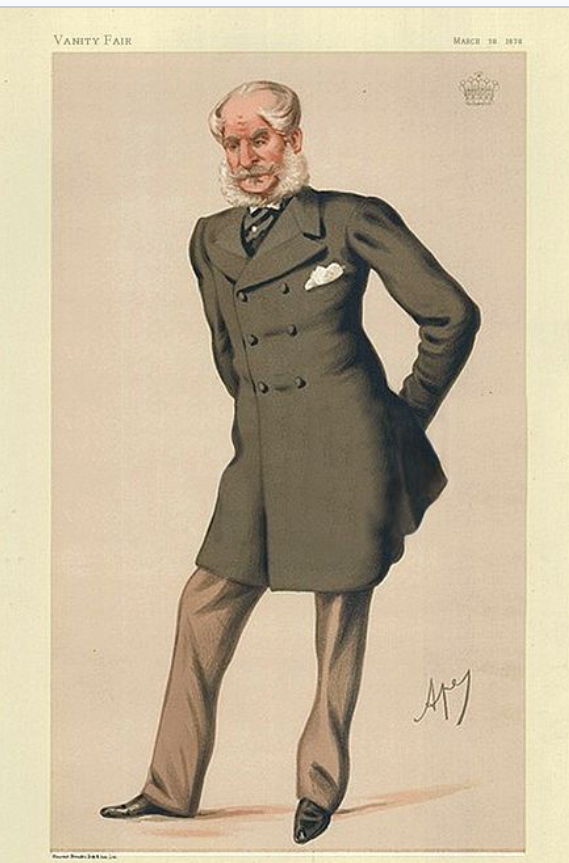
I see that the sitting Earl of Feversham had only very young children. he would die in the war and Robert Nixon Sr. would work for the trustees of the under-age Earl. This is a Vanity Fair pic of the first Earl of Feversham from Wikipedia.

Lord Feversham 1829-1915

According to travel records, my grandfather, Robert,  took a boat to Malaya (willingly or unwillingly) in 1912 to work at a rubber estate in Klang, Selangor.

He returned to England after WWI to marry my grandmother, Dorothy Forster, from County Durham, whose father was an itinerant Primitive Methodist preacher posted in Helmsley between 1912 and 1914.

MRsDOROTHYNIXON

Dorothy followed him to Malaya in December, 1921 and my dad was born ten months later on October 24.  Robert later became Manager of the rubber estate.   Both my grandfather and grandmother were interned at Changi Prison during WWII.

According to the 1829 book, Duncombe Park was  home to a treasure trove of classical paintings, among them the Titian shown at top, but also a Da Vinci, a Reubens, a Rembrandt  as well as Discobulus, described as ‘the finest statue in England.’

My grandfather never did get to see these great works of art in person because most were burned in a fire in 1879.  Back then, some of these paintings were worth five thousand pounds.

The Discobulus and the DaVinci work were lost in the fire but Titian’s Venus and Adonis was saved to eventually find its way to California and the Getty Museum.

Duncombe was rebuilt in the Baroque Italianate style and used as a backdrop to the 2012 British mini-series Parade’s End, with Benedict Cumberbatch.  I love that mini-series, so it is all very appropriate.

Duncombe

Dunscombepark1

To the Lighthouse – Part 1

A fictional homage to my father – and his northern English genealogy

whitehaven to st bees cliff walk

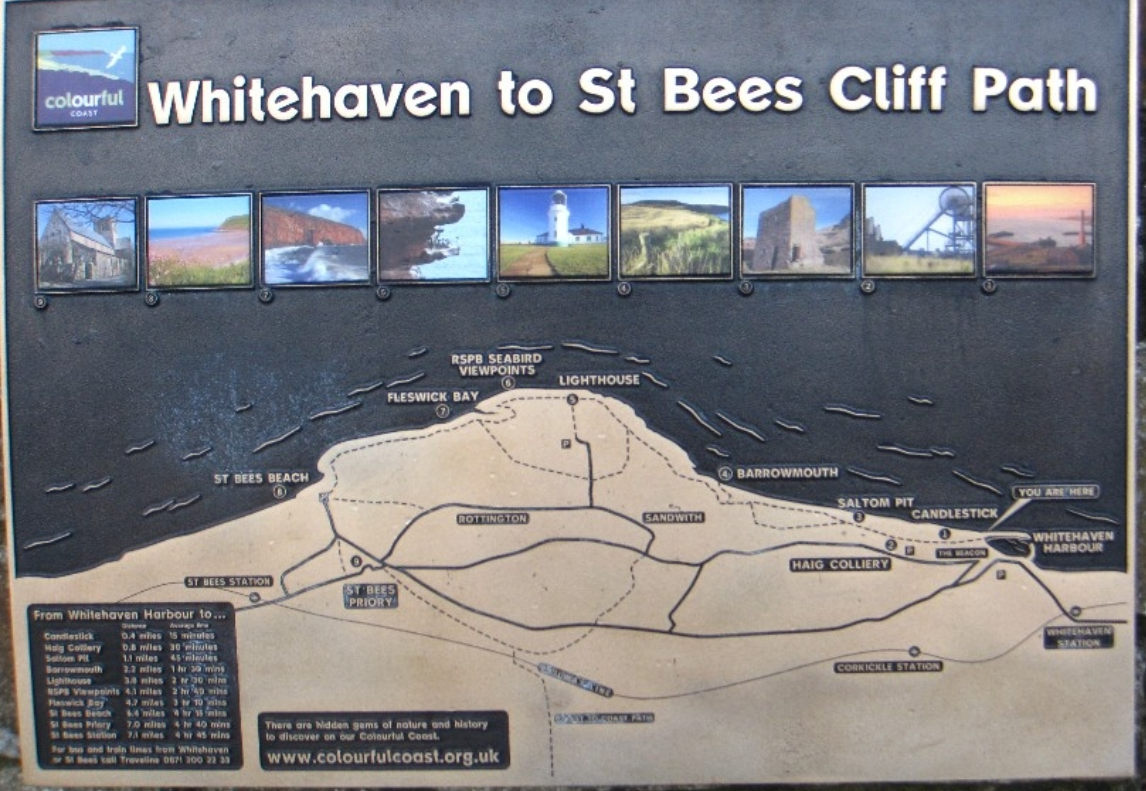
Plaque at St. Bees (from http://josweeney.net/the-cliff-path-from-st-bees-to-whitehaven/ 7 miles to Whitehaven but this is the start of a 192 mile Coast-to-Coast walk that will take you all the way to Robin Hood’s Bay in North York.

(Sound Effects)  heavy breathing, feet pounding earth.

I am Peter N F Nixon, scholar at St. Bees Prep School in Cumberland, and I am running, running away back in time.  So stated the boss-eyed academic in the school library last evening, the guest lecturer from the Northern England Geological Society.

“If you take the coastal path,” he said, “from St Bees Head to Whitehaven Lighthouse,  it is as if you are going back in time as the youngest rocks are at Seacote. Early Triassic Age, just 250 million years old.”

Funny how I remember that. I was preoccupied with next week’s big rugby match against the tough cads from the colliery. The geordies.  The coal miners. I attended the lecture only because I knew there’d be a fire lit in the library. Although it’s my right as head prefect to sit on the radiator in my freezing dorm room (with windows always open) it is slim consolation this early in spring.  I could see my breath as I crossed the quad last night to get to the library.

Yes, funny how the geology lecture is all coming back to me as I run and run back in time along the windy coastal path to the lighthouse at Whitehaven on the Cumbrian coast where the seabirds are engaged in their noisy mating rituals.

I am leading a penal drill with a few miscreant lower classmen who flung their gas-masks out the window to celebrate the war with Hitler being over.  Who told them the war was already over, just a few months after it was declared?

I am the house prefect and it is my duty to drill good sense into my younger charges’ heads by making them run long distances, whatever the season.  It’s no punishment for me – mickeying-off like this – or for most of them, to be honest. We are battle-hardened prep school pupils here at St Bees. Classes in the morning and sports in the afternoon, every day, rain or shine or snow.

We all wear short pants at St. Bees. It’s our uniform. I run and run and run in my short pants.17 years old, 6 foot 3 and a half  and still in short pants.

myfatherugby

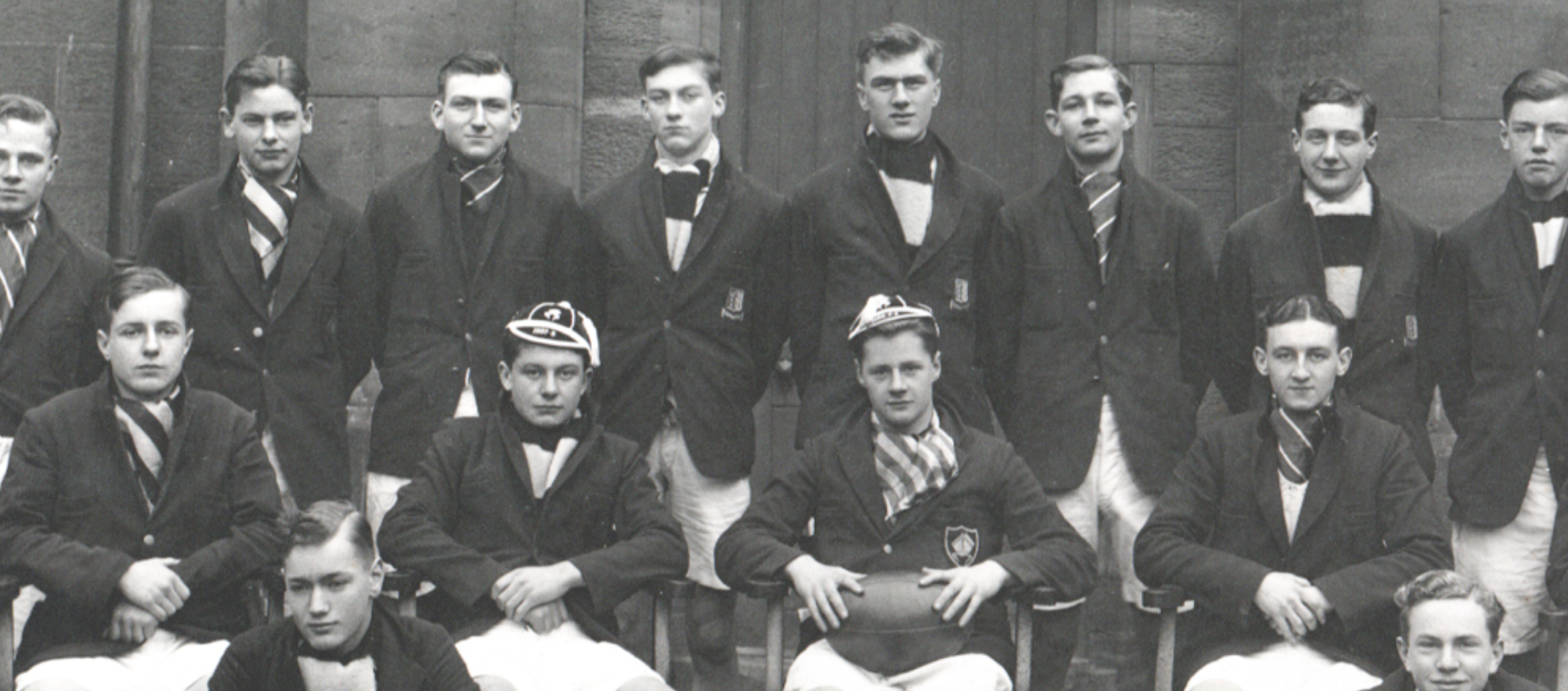
Senior XV Rugby 1938-39. Webpage of the Old Beghian Society (see link below). My father is top row, 4th from left.  The scarf must represent his house.

I’m far ahead of the pack.  Truth be told, I am no leader of men. More of a loner at heart. So, I leave the kids to their own pace. I get no pleasure in being a prefect.  I don’t like minging on them. I don’t look for trouble or for a reason to cane.

Let’s see, what else did the lecturer say? “ North of St. Bees there are carboniferous-age coal outcrops and limestone outcrop, south of St. Bees permo-Triassic red sandstone. Moulded through the eons by glacial processes. Glacial means slow, doesn’t it?  Very slow.

I want it all to slow down. This war, despite the rumours to the contrary, is just starting. I can sense it. I am to turn 18 soon. I will have to sign up.

I am running back in time to slow things down, geologic time, historical time – but at a good clip, leaving my younger charges behind. I am one of the school’s finest middle distance runners, but the county record holder at javelin. Vice Captain of the Senior Rugby. I can swim with the best of them, but it’s golf I really enjoy, though, alone on the links of our school’s golf course.

I am running, running into the past.

The Normans, the Norse, the Anglo-Saxons, the Romans, the Briton Voltadini and the Celtic Brigantes tribes. Castles up, monasteries down, crusades to the east, crusades to the north. Saint Bega, for whom our school is named, founding the religious site about 1000 years ago by fleeing a forced marriage in Ireland. Or so the story goes.  And then 100 years later the Lord Egremont, the Norman, building the Benedictine Priory, the town parish, over it.

All around me there are fossilized strips of former medieval field systems and other remnants of the ghostly, gory, glorified past. It all weighs one down. Wouldn’t it be nice to live somewhere new with no past, no history, no weight?

If I never hear another lecture on Emperor Hadrian and his infernal wall I will be thrilled.  That meandering  Roman monument has only unfortunate connotations for me. I can still hear my grandfather, the Reverend John Forster, a self-educated farmer’s son, berating me at 6 years old for slacking on a long walk, “You are no Border Reiver, no bairn of mine if ye can’t walk the 7 miles from Brampton to the Birdoswol Roman Fort.”

Wouldn’t Gramps be surprised to see me now, one of the school’s most respected athletes, as I run and run, away, swiftly back in time with the myriad sea birds swirling over head riding the fickle coastal air currents coming off the Irish sea on the rugged, austerely beautiful coast of Cumberland, at St Bees Head?

This place is truly in my blood. I have border reiving ruffians on both sides of my family tree, my mother’s Forster and my father’s Nixon side. Brave scoundrels and fearless outlaws, they were raiders of cattle and sheep at the Scottish border in late medieval  times and beyond. Grandfather Nixon bragged about some outlaw Nixons hanged at Carlisle Castle back when he was a boy.

Geologic time, historical time, genealogical time, family memory and family myth.

It was my first week at St Bees. Mr. McFayden, the history teacher, asked me what my middle initials N.F. stand for. “Nesfield and Forster, Sir,” I replied, embarrassed to be singled out. “Ah, Nesfield, he says. “You are then descended from Dagobert, the Merovingian Prince who married Imagne de Nessfield, a Saxon landowner. By the 17th century they were living in Yorkshire. You are then related to William Andrews Nesfield  who designed the gardens at Castle Howard and Kew.”

I wrote home to my mother, in Malaya, all bristling with pride but she failed to take the bait. “Your great-grandmother, Anne Nesfield was the cook in the home of a Yorkshire solicitor, I think.”

Oh, the sin of pride.

Her father, John, socialist and pacifist – and a despiser of comfort  and weak grandchildren– taught her well.

Yes, I can see and hear the seabirds swirling and dipping overhead, over those formidable yet fragile orange sandstone cliffs, home to many colonies of breeding gulls: razorbills, cormorants, guillemonts, fullmars and kittiwakes.

It’s the start of nesting season.  I run and I am comforted by the birds’ loud squawking. I do love nature, her apparent simplicity here on the wild Cumberland coast; not like the bountiful Malayan landscape where I spent my first five years, as my father is a rubber planter, where there was so much fabulous flora and fauna to admire- and to fear – where I once confronted a leopard cat while tricycling near the tennis courts with my little sister.

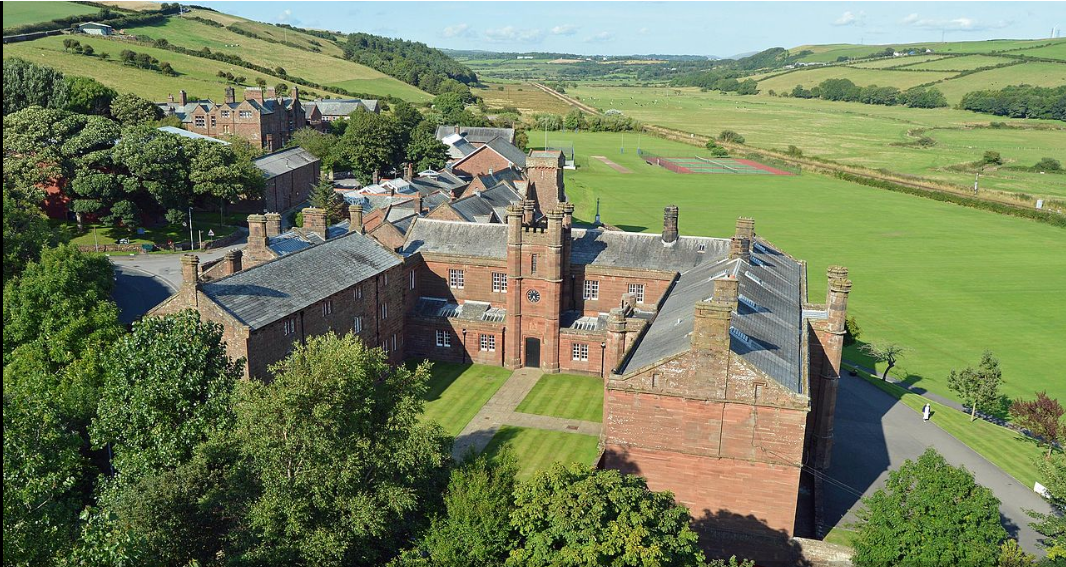
St Bees. Wikipedia. Photo by Doug Sim

I am running, running back in time which is better than going forward in time.  It is May  9, 1940 and war was declared in September, 1939. The beach is cordoned off with barbed-wire. They have installed radar at the Whitehaven Lighthouse and barrage balloons in the town. I’ve lost 2 stone with the rationing.  New students from London are pouring into St Bees, because they feel it is a relatively safe place to be.  But, everyone over 18 has had to register for this war.  I turn 18 in October.

I am far ahead of the pack now and I like it that way. I am a loner at heart, not a leader of men. And I will soon have to sign up.

I really doubt the war is already over. I suspect it has just begun.

my father and denise

My father and his sister, Denise, in 1978, sent to England to go to school in 1926, as many colonial children were. She was the one who told me the story about the leopard cat.


PeterNixonandme

January 1955


To Be Continued..

To the Lighthouse Part 11


School boy lingo, specific to St Bees (apparently)


Minging: Prefect looking for trouble

Boss-eyed: cross-eyed

Mickeying off: to run away

Geordies: Miners

Cad: village boy


Resources :


http://www.st-beghian-society.co.uk/Picture%20Gallery.htm

St. Beghian Society Magazines


http://josweeney.net/the-cliff-path-from-st-bees-to-whitehaven/

7 Mile Walk from St. Bees to Whitehaven with many wonderful photos of the Cumbrian Coast.


https://www.bbc.co.uk/history/ww2peopleswar/stories/47/a3856647.shtml

Growing up in WWII Cumbria BBC


https://core.ac.uk/download/pdf/29816760.pdf

William Andrews Nesfield bio


Border Reivers and Sir John Forster

https://wwwborderreiverstories-neblessclem.blogspot.com/

The Geologic Story of West Cumbria

http://www.westcumbriamining.com/wp-content/uploads/26-Geological-Story_C.pdf