Tag Archives: Wales

Heartfelt Losses

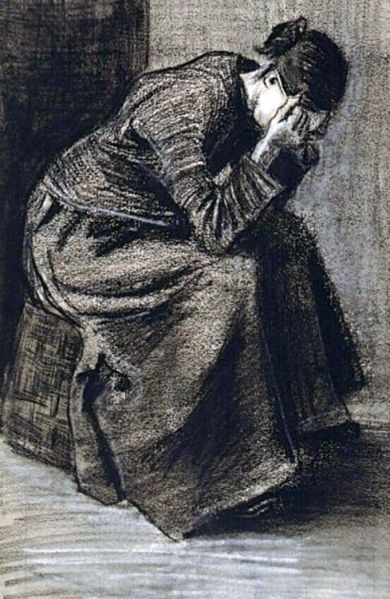
Mourning Woman, 1883 Vincent Van Gogh

I had a great-granduncle who went by the name of William Richard Case Palmer O’Bray. William Richard was a brother to my great-grandfather. William Richard and his wife Margaret Elizabeth Burnett had a family of 14 children eight girls and six boys.

Three of his girls died within a month of each other and William Richard died at quite a young age, 44.

A shipwright by trade he lived, worked and died in New Brompton and Gillingham Kent, England. It would appear he had a hard life at work and at home.

William Richard’s occupation, in St. Mary, Pembrokeshire, Wales in 1871 when he was sixteen years old, was as an apprentice blacksmith. In 1881 he was a shipwright in Gillingham, Kent. By 1891, he lived in New Brompton, now part of the Medway District still working as a shipwright.

Shipwrights were responsible for constructing the structure of a ship and most of the internal fittings. Shipbuilding was a tough job, ships were built in open-air shipyards throughout the year, even in winter. The tools used, such as drills and riveters were loud and dangerous. (1)

However, upon researching his family I discovered to my sadness that in 1890 on the 6th of March his eldest daughter, Isabella Mary aged 13, died. The very next day, Margaret Elizabeth, aged 9 years and 8 months died.

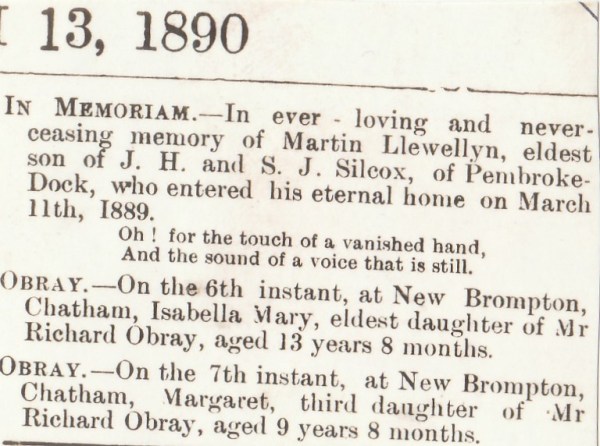
On the 13th of March 1890, the family posted an obituary for Isabella and Margaret.

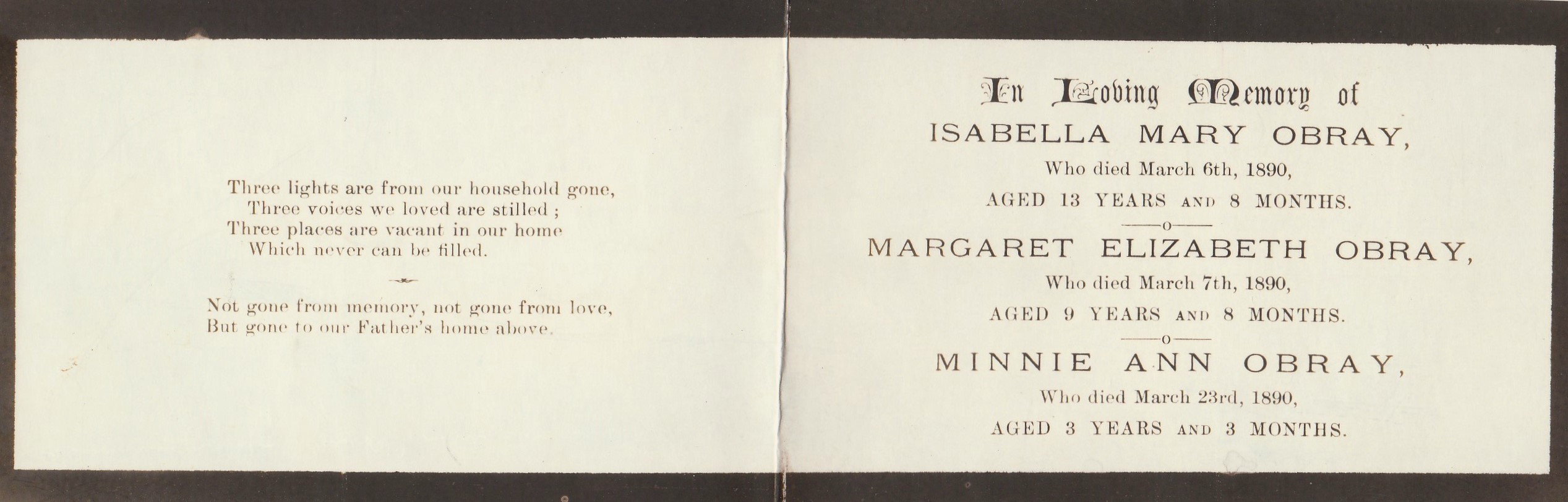
Unfortunately, on the 23rd of March 1890, Minnie Ann (twin to Florence Ann), aged 3 years and 3 months also died. Below is the death card, typical for that era, for the three sisters. (3)

The text reads:

Three lights are from our household gone, three voices we loved are stilled; three places are vacant in our home, which never can be filled.

Not gone from memory, not gone from love, but gone to our Father’s home above”

I am in the process of obtaining the death certificates of the three girls, and I hope to add an update later on the cause of their deaths.

The 19th century in England was marked by the widespread prevalence of diseases such as tuberculosis, cholera, typhus fever and smallpox. These diseases posed significant medical challenges to society, with limited medical knowledge and resources available to combat them.(2)

My first thought was the profound shock my poor family must have suffered. William Richard Case Palmer suffered many tragedies in his short life.

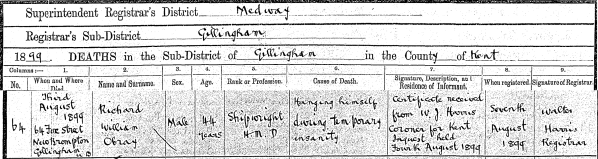
Ten years later, on the 3rd of August 1899, William Richard Case Palmer O’Bray died by his own hand. His death certificate reads:

“Hanging himself during temporary insanity”

Losing a child is not what a parent should experience, but to lose three in the same month is unimaginable. Was he depressed? I would think so, even 10 years later. There was nothing to help with the heartfelt losses in the 1800s. His wife, Margaret Elizabeth died in June 1919 aged 62 in Medway, Kent.

Sources:

(1) https://www.wcml.org.uk/our-collections/working-lives/shipwrights/

(2) 19thcentury.us/19th-century-diseases-in-england/

(3) This is my blog on British mourning cards.

BBC RADIO 4 – “This is the Shipping Forecast”

This piece of music is called “Sailing By” composed by Ronald Binge in 1963, and performed by the Alan Perry/William Gardner Orchestra, and is the version used by the BBC for its late-night early-morning shipping forecasts,

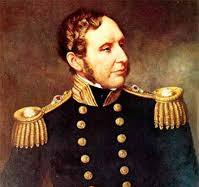
It signals the beginning of the Shipping Forecast, an important part of living on an island and it dates back over 150 years. The Shipping Forecast was established by Vice-Admiral Robert FitzRoy the first professional weather forecaster, and captain of the HMS Beagle, on which Charles Darwin sailed to South America. (1)

Vice-Admiral Robert FitzRoy.

Born 5 July 1805, Suffolk, England

Died 30 April 1865 Norwood, England.

In October 1859, the steam clipper Royal Charter was wrecked in a strong storm off Anglesey, Wales 450 people lost their lives. In response to this loss, FitzRoy introduced a warning service for shipping in February 1861, using telegraph communications.

Sadly, FitzRoy didn’t live to see his ideas become a permanent fixture of British life; he killed himself in 1865, in part because of his frustration at failing to set up a regular service. (2)

The shipping service was only discontinued during and following WW1 between 1914 and June 1921. During WW2, it was discontinued between 1939 and 1945.

The shipping forecast is heard by local fishermen all over the British Iles, Scotland Wales and further afield and Its tune is repetitive, assisting in its role of serving as a signal for sailors tuning in to be able to easily identify the radio station.

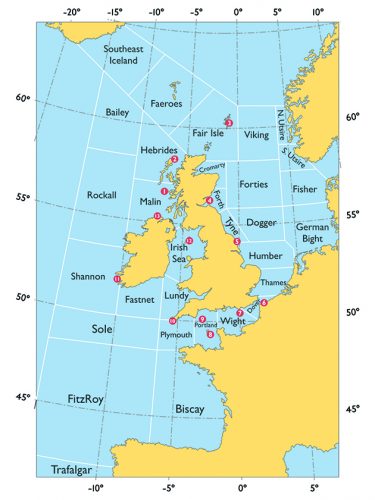
This delightful music above brings back happy memories for me, listening to the radio as a child in Plymouth Devon England, where I was born. “Dogger, Fisher, German Bight, North Utsire and South Utsire” – coastal regions near Norway – although I had no idea where these exotic names were, it was wonderful to imagine. 

Just look at some of the unusual names on the map, it was always a thrill to hear ‘Plymouth’ mentioned.

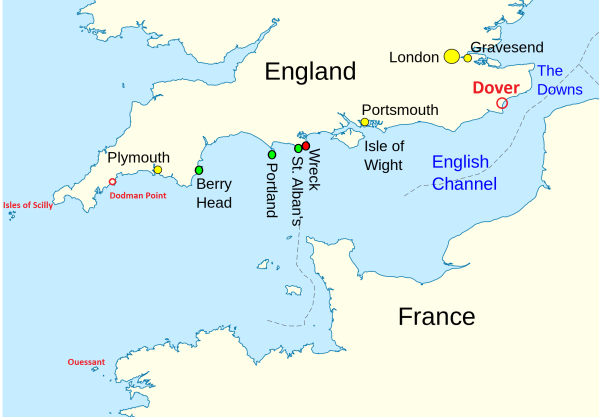
The sea areas match the forecast areas used by other North Sea countries, though some names differ. The Dutch KNMI and Norwegian counterpart, names the Forties “Fladen Ground”, while Météo-France uses “Pas-de-Calais” for Dover, “Antifer” for Wight “Casquests” for Portland and “Ouessant” or ‘Ushant” for my home town, Plymouth. Because of the unusual name for Plymouth, I also learned a fascinating piece of French history.

The Ouessant (or Ushant) is a breed of domestic sheep (Could that be a French insult?) from the island of Ouessant off the coast of Brittany but also the name of a French Submarine). Ushant is a French island at the southwestern end of the English Channel which marks the westernmost point of metropolitan France.  

It belongs to Brittany and in medieval times, Léon. In lower tiers of government, it is a commune in the Finistère department. It is the only place in Brittany, save for Brittany itself, with a separate name in English.

Even today, if I cannot sleep, I still listen to BBC Radio 4 in the early hours of the day and catch the Shipping Forecast as it lulls me to sleep.

Unfortunately, from this year, 2024, it is expected that the Shipping Forecast will no longer be broadcast on long wave (LW) due to the closure of the LW platform. This announcement was updated on the 4th of April 2023 due to the BBC amending their original announcement on the future of the LW Shipping Forecast. The LW broadcasts are expected to end in 2024, but a final decision has not yet been made. (4)

Listeners are reassured by the thought that, somewhere out at sea, British fishers are patiently waiting by their radios to find out whether there is a gale warning in Rockall or Cromarty. However, the slightly less romantic reality, according to Mike Cohen of the National Federation of Fishermen’s Organisations, is that his members have not needed Radio 4 for decades.

Modern fishers have far more accurate devices to warn them about the wind and rain: “Even the small 15-metre boats in Bridlington have satellite internet these days. I’ve had video calls from people in the middle of the sea.” (5)

Some interesting quotes below about the shipping forecast: 

“The Shipping Forecast is immensely popular with the British public; it attracts listeners in the hundreds of thousands daily – far more than actually require it.[18]

In 1995, a plan to move the late-night broadcast by 12 minutes triggered angry newspaper editorials and debates in the UK Parliament and was ultimately scrapped.[19]

Similar outcry greeted the Met Office’s decision to rename Finisterre to FitzRoy, but in that case, the decision was carried through.[20]

Peter Jefferson, who read the Forecast for 40 years until 2009, says that he received letters from listeners across the UK saying that the 0048 broadcast helped them get to sleep after a long day.[4]

The Controller of BBC Radio 4, Mark Damazer, attempted to explain its popularity: 

“It scans poetically. It’s got a rhythm of its own. It’s eccentric, it’s unique, it’s English. It’s slightly mysterious because nobody really knows where these places are. It takes you into a faraway place that you can’t really comprehend unless you’re one of these people bobbing up and down in the Channel.[18]

Zeb Soanes, a regular Shipping Forecast reader, described it thus:

“To the non-nautical, it is a nightly litany of the sea. It reinforces a sense of being islanders with a proud seafaring past. Whilst the listener is safely tucked-up in their bed, they can imagine small fishing-boats bobbing about at Plymouth or 170ft waves crashing against Rockall.[21]

….and many more here:

https://en.wikipedia.org/wiki/Shipping_Forecast

SOURCES

(1) https://en.wikipedia.org /wiki/Shipping_Forecast#Coastal_weather_stations_and_inshore_waters

(2) https://www.countrylife.co.uk/out-and-about/10-things-about-the-shipping-forecast-164341

(3) https://en.wikipedia.org/wiki/Ushant

(4) https://www.pbo.co.uk/news/no-more-shipping-forecast-on-lw-from-2024-75844

(5) https://www.theguardian.com/media/2022/jun/03/shipping-forecast-radio-4-long-wave-broadcast

Doc Penfro, Wales and the O’Bray Family Name Part 2

In part one, (https://genealogyensemble.com/2023/01/06/doc-penfro-wales-and-the-obray-family-name-part-1/) I wrote about John Barnett O’Bray my third great-grandfather who was born in Rhosmarket and lived in Doc Penfo – The Welsh name for Pembroke Dock – and his family name, the spelling of which had changed so many times over the centuries.

Part two is about third great-grandad John’s life and work in Pembroke Dock.

The town of Milford was founded in 1793 a year after John Barnett O’Bray was born in 1792. He was apprenticed in 1805 at Milford as a shipwright boy.

Sir William Hamilton obtained an Act of Parliament in 1790 to establish the port at Milford. It takes its name from the natural harbour of Milford Haven, which was used for several hundred years as a staging point on sea journeys to Ireland and as a shelter by Vikings. (1)

By 1810, Third Great-Grandad earned 2 shillings a day, and when he was 21 years old in 1812, he became a shipwright and married Eleanor Allen, whose family were also shipwrights and lived in Pembroke Dock.

In 1823, John Barnett O’Bray took a 60-year lease of one of the Club Houses recently built in the High Street at a rent of One Pound, Ten Shillings a year. His years’ wages in 1828 were 87 pounds, 19 shillings and one penny. Such a tiny percentage of his salary for the lease compared to today!

Over 25 years, John and Eleanor had ten children. Their first child, William died at age four, Maria, was born in 1814, George in 1815, and John in 1818, and became a shipwright. Elizabeth was next in 1820, Thomas in 1821, Robert in 1824 who became a joiner’s apprentice, Samuel in 1828, and Eleanor in 1834. For some reason, although very common, partly because of the high mortality rate, the last child born in 1836 was named Thomas William however, he died at age eight in 1844.

Why would they name the youngest last child after his two siblings? Perhaps in memory of them especially after the first-born Thomas, left Wales for the other side of the world, so perhaps this would be a kind of memorial to both sons? Some family mysteries we will never know.

Five family members left Wales for various parts of the United States. I know that Thomas and Samuel were baptised as members of The Church of Jesus Christ of Latter-Day Saints – or Mormons. The other family members, Maria, George, and John did live and die in various parts of the USA and I believe they too, were baptised as Mormons. (2)

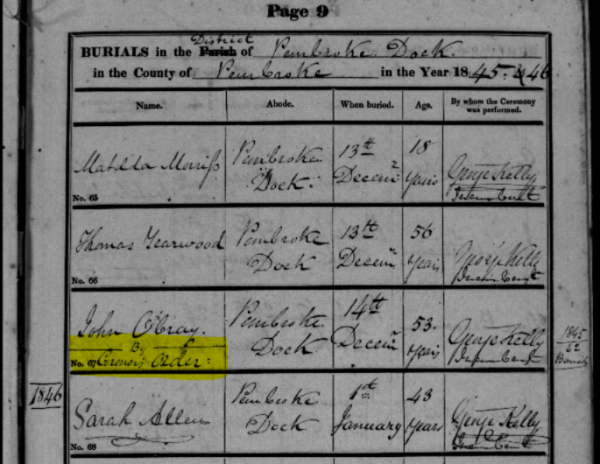
John Barnett my third Great Grandfather, suffered a grisly death at the age of 54 years.

An Unfortunate and Fatal AccidentCarmarthen Journal Article 19 Dec 1845

“An Unfortunate and Fatal Accident – An efficient and industrious shipwright, named John Obrey, belonging to Her Majesty’s Dock Yard at Pembroke, fell from a considerable height into one of the building slips and was killed on Thursday last. To mark the esteem in which he was held by the establishment authorities, the Chapel bell of the Arsenal was tolled during the funeral.

It appears a plank forming one of the stages around the ship’s side had not sufficient hold of the support on which it rested, and the weight tilting it up, he was precipitated into the slip, and falling on his head, his skull so fractured that his brains actually protruded. His wife will, no doubt, have a pension, though the amount must necessarily be small.” (2)

I went to Pembroke Dock, West Wales In September 2019 to visit my dear friend, Michelle, who kindly drove me around the areas in West Wales, where she lives, in Aberdare. She took me to Pembroke Castle where the Tudor Dynasty started with the birth of King Henry VII. Next door to the castle entrance was a shop called ‘The Hall of Names’ with a database of most names in the world and, for a price, they will research and print out the name, and its origins. (3)

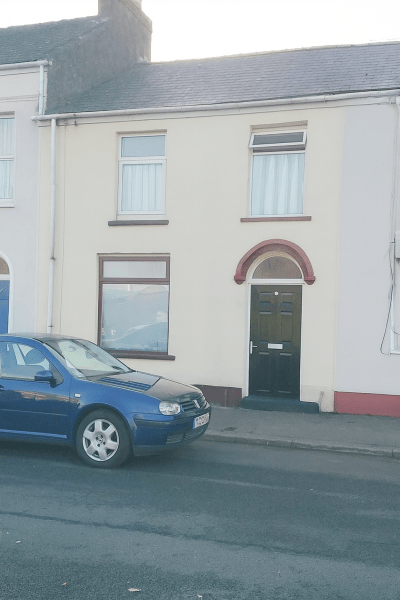
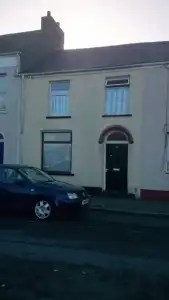
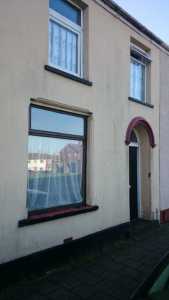
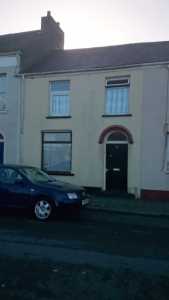
Michelle also drove me to 14 Queen Street East, where third great-grandfather John Barnett O’Bray lived in 1841 with his family. The street and number 14, one of a row of houses, are still there but have probably changed a great deal since!

It certainly was a strange experience standing in front of the well-maintained pretty house that my ancestors had once lived in with their many children.

14 Queen Street East – A typical terraced two-up (two bedrooms) and two-down (kitchen and sitting room) house.

According to the 1841 Census, only five of the children, now all in their teens, still lived there but a tight squeeze for seven people. However, I am sure they were happy to have such a pleasant home.

Through research, I believe that third-great grandad John Barnett was also a member of the Church of Jesus Christ of Latter-Day Saints (The Mormons), but died before he was baptised.

SOURCES

1.https://en.wikipedia.org/wiki/Milford_Haven

2. https://pembrokecastle.co.uk/

3. Carmarthen Journal Article

NOTE:

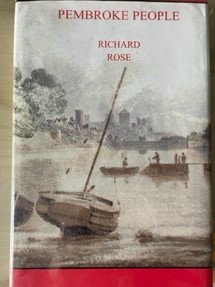
Richard Rose wrote a fascinating book called ‘Pembroke People’ and is described on the flyleaf, as probably the fullest account that was ever written about life in an early 19th-century community. Flipping through this wonderful book, that seems to be true. I found my Great-grandfather’s family listed there and other family members too.

Every possible trade in shipbuilding, mariner,  and associated trades were listed, from accountants to wine and spirit merchants even including the local prostitutes and illegitimate children! And yes, I did look to see if any of my family were listed there, but none were.

“My Family History” which includes Thomas and Samuels’ stories can be found here:

https://wordpress.com/post/genealogyensemble.com/610

And you can read Samuel’s story here:  

https://genealogyensemble.com/2016/08/17/mormon-history/

Doc Penfro, Wales and the O’Bray Family Name Part 1

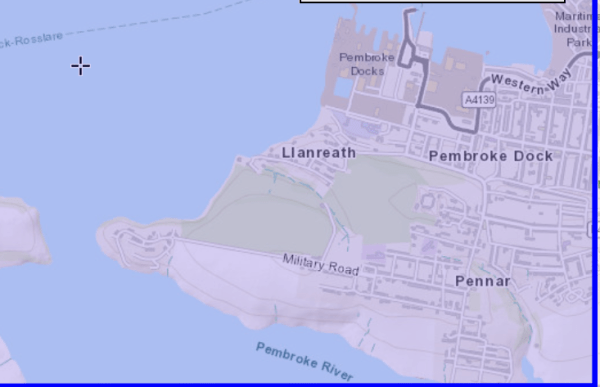
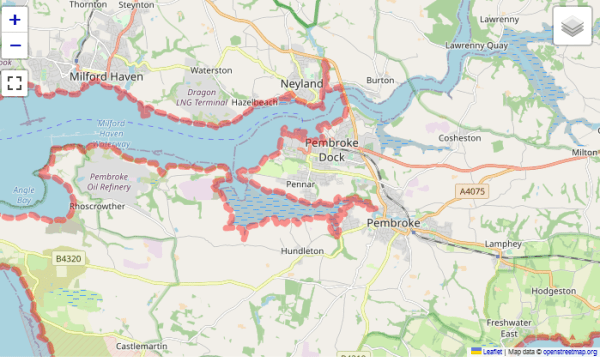
Pembroke Dock (Welsh name Doc Penfro) is a town and community in Pembrokeshire, South West Wales on the River Cleddau.

Originally named “Paterchurch”, a small fishing village, Pembroke Dock town expanded rapidly following the construction of the Royal Navy Dockyard in 1814. The Cleddau Bridge links Pembroke Dock with Nyland. (1)

John Barnett OBrey or Obray my 3rd Great -Grandfather was born in Rhosmarket. in 1792. Rhosmarket or now Rosemarket is a parish in the county of Pembroke South Wales. In 1833 the parish contained 456 inhabitants; in the 1841 Welsh Census, John Barnett was a shipwright.

The spelling of the O’Bray name over the centuries has changed numerous times and because of this, trying to trace very early family members has been a headache. There is a landed gentry branch of the Aubrey family, and I have seen our tree added to them, more times than I care to remember. It seems that everyone would like to be associated with royalty or the lords and ladies – unfortunately, or maybe fortunately, we are not.

Awbrey is the earliest family name I have traced. That would be Jenkin Awbrey, born in 1410 in Abercynrig, Breconshire Wales. He was my 13th Great Grandfather.

The next generation was Hopkin born in 1448, William born in 1480 and Thomas born in 1588 but they spelt their name, Aubrey.

But William, my ninth Great Grandfather born in 1607, who, just to be difficult, reverted back to spelling it Awbrey.

John, born in 1678 spelt it Aubrey and by the time my fourth Great Grandfather arrived in 1760 once again, another name change to Obray. Which has lasted right up to the present day for our English relatives – with one small change, my Grandfather spelt it with an apostrophe O’Bray.

However, another mystery about John Barnett Obray cropped up. In Richard Rose’s magnificent book ‘Pembroke People he states

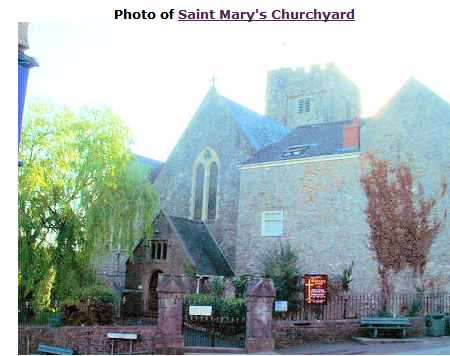
“I assume that William Aubrey, buried at St. Mary’s church on 27th September 1817 aged four years was probably another child of this family”

In addition to this, he also states that

“An Elizabeth Oberry was buried, according to St. Mary’s register on the 11th of April 1841 aged 93”

This was my fourth Great Grandmother, Elizabeth Barnett whom John Barnett Obray is named after. Another different spelling and name.

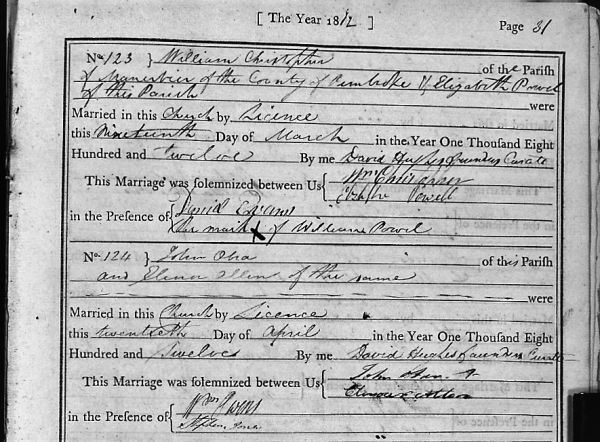
When John Barnett Obray, my 3rd Great grandfather and his wife, Elinor Allen married in 1812 his Marriage Lines recorded him as ‘John Obra’ yet, he was born Obray and died Obray.

I recently wrote to “Find My Past” to point out the error in their 1812 Marriage Lines, and they adjusted it to spell Obray. A small victory!

When I visited Salt Lake City, Utah, I went to the cemetery in the town of Paradise, located in the southern part of Cache County, Utah. I had researched and found that quite a few of the American O’Brays were buried, there. Once again, I noticed another change to the name they spelt it “OBray” no apostrophe, as my Grandfather O’Bray and his family spell it.

I can only surmise that over the centuries, the name became corrupted once spoken. I tried saying the name out loud…Awbrey, Aubrey, and O’Bray DO sound similar, especially if spoken in Welsh and with the addition of a Welsh accent.

To further add to the confusion, once I looked up the names I find that Obrey is an altered form of the French Aubry which in turn comes from the ancient Germanic personal name Alberic composed of the elements alb meaning elf and – ric powerful.

When compared to Aubrey it stated it is English from Middle English meaning a male personal name such as Albry Audry or Ayubrey. That in turn is a borrowing of Old French which in turn is a Middle English female personal name such as Albrey, Aubrey which in turn is from ancient Germanic!

French Canadian is also in there somewhere, but it all became so confusing…I gave up! Suffice it to say, the name contains some of the most ancient Old English, French and Germanic languages. No wonder there has been so much corruption and confusion spelling the name over the centuries! (2)

In part two, I shall be sharing the life of Elinor and John Barnett Obray.

Sources

(1) https://en.wikipedia.org/wiki/Pembroke_Dock

(2) Source: Dictionary of American Family Names 2nd edition, 2022

(3) Pembroke People by Richard Rose

This book is a must for anyone researching ancestors who lived in Pembroke Dock, Wales.

A Policeman’s Lot Is Not A Happy One.

A policeman’s lot is not a happy one. When constabulary duty’s to be done, to be done, a policeman’s lot is not a happy one, happy one. [1]


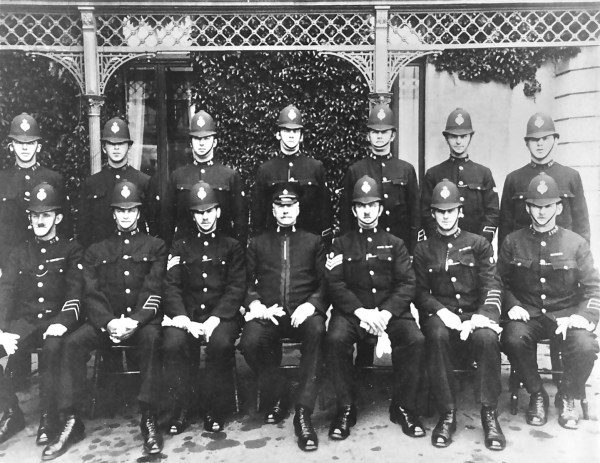
Francis Bulford (Front row, 2nd from the left) With Newquay, Cornwall Division 1929/30

(I can’t help but notice their enormous feet!)

My Grampy, Francis Bulford, was born in Devonport, Devon, England on 28th October 1884.

In 1905, he was a 20-year-old seaman in the Royal Navy when he decided to join the Cornwall Constabulary, and on the 1st November 1906, he was appointed to the force as Police Constable number 106. He retired in 1936 with 29 years of service.

After reading various newspaper clippings about the doings of my Grampy, I thought of the above verses by Gilbert and Sullivan as his duties were usually routine, but sometimes they were unusual, or even frightening.

His first posting was to Porthleven, a small fishing port not far from Helston. His ‘beat’ included the village streets, as well as the surrounding meadows, beaches and cliffs.

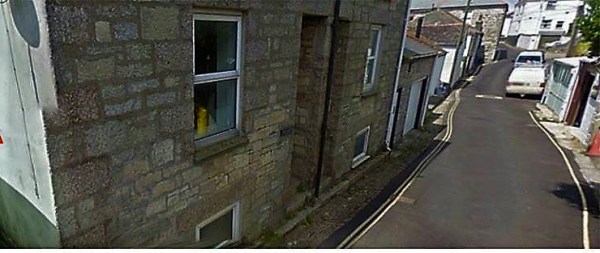
During Grampy’s time on the police force, he and his family lived at a three-bedroom rented property in a street known then as “Little Gue” at either number 14 or 15. My cousin Diane tells me her Mum (one of Grampy’s daughters) identified the building some 35 years ago. It was their home as well as the Police Station and the two small windows at street level were then barred.

This was where the cells were. The property is still standing, and the photo shows the modern window frames.

The house in Little Gue Street

Diane also told me about a time early on in his career when he was tied to a rope around his waist and was lowered down the cliffs to bring up a dead body at a place called Hell’s Mouth, on the north cliffs of Cornwall. Even the name sounds frightening.

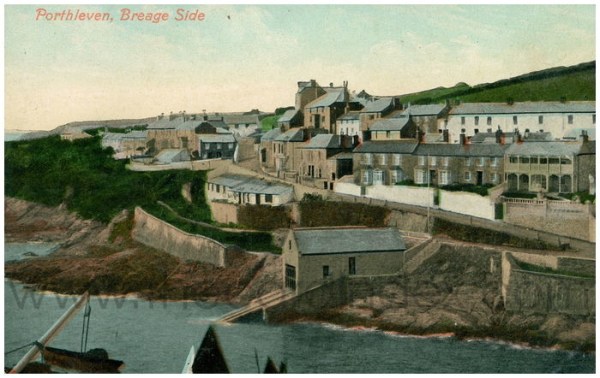
It was Monday evening, January 1916 and Constable Bulford was doing his ’rounds’ at 10:30 pm when he happened upon a dead body, washed ashore on the rocks at Breageside, Porthleven.

Porthleven 1906

When PC Bulford was interviewed by the local newspaper, The Cornishman, a month later, he described the bodies as follows: [2]

The first body found was a big body, about 6′ 6″ stoutly built, badly cut upon the rocks with no clothing and decomposed, and headless. PC Bulford sent for a stretcher and the local doctor, Dr Spaight.

The next day, Tuesday, at about 9:30 a.m., a second body was found by PC Bulford on the Sithney side of Porthleven. This body was about 5 feet in height, slightly built, with no identifying marks except cuts from the rocks, decomposed, nude and again headless.

The local doctor examined the bodies, but there was no possibility of identifying them or finding the cause of death.

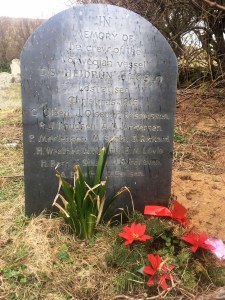
The newspaper suggested that these were two of the crew of the SS Heidrun, a Norwegian collier ship that had departed from Swansea, Wales with coal for Rouen, France. It was wrecked on December 27th, 1915, four miles off of Mullion, with the loss of all 16 hands.

The crew members whose bodies were found are buried at Church Cove, The Lizard Landewednack, Helston, Cornwall. The church overlooks the English Channel, so it seems this was a fitting resting place for these sailors.

Headstone for the crew of the SS Heidrun
(Photo Credit: https://www.wrecksite.eu/wreck.aspx?181509)

Sources:

[1] https://www.gsarchive.net/pirates/web_op/pirates24.htm Opera, The Pirates of Penzance by Gilbert and Sullivan

[2] “The Cornishman” 27th January 1916. Newspaper cutting in the Bulford Family archives

Notes of interest about Porthleven, Cornwall England.

Porthleven was the home town of the ‘Dambusters’ Commanding Officer Guy Gibson, and there is a road named in his memory.

http://www.helstonhistory.co.uk/local-people/wg-cdr-guy-gibson-raf-vc/

It is a town, civil parish and fishing port near Helston in Cornwall and was originally developed as a harbour of refuge when this part of the Cornish coastline was recognised as a black spot for wrecks in the days of sail.

Porthleven has exploited its location and exposure to powerful swells to become one of the best-known and highly regarded surfing spots in Britain and has been described as “Cornwall’s best reef break”. Waves often exceeding 6.6 feet (2.0 m), break on the shallow reef that was shaped by blasting the harbour. Kayaking is also popular. RNLI lifeguards patrol the beach during the holiday season. The beach is separated from the harbour by a granite pier, which stands in front of the Porthleven institute and clock tower. When the tide is out it is possible to walk east along Porthleven beach for approximately three miles.

Read more about this wonderful part of Cornwall, England here:

https://en.wikipedia.org/wiki/Porthleven

Two previous stories about my Grampy and his police adventures in Porthleven can be found here;

https://genealogyensemble.com/2018/10/10/all-in-a-days-work/

https://genealogyensemble.com/2018/12/12/plucky-police-constable/

Land Of My Fathers…

Well, the land of my Grandfathers and Greats that is, all the way back to the 1400s.

My maternal Gramps was an O’Bray born, like all his forebears, in West Wales. Pembroke Dock, to be exact.  Welsh is still spoken widely in West Wales and the Welsh name for this area is Doc Penfro, it was originally named Paterchurch and was a small fishing village. Pembroke Dock Town expanded rapidly following the construction of the Royal Navy Dockyard in 1814.

There is some speculation about the original name of my fourth great-grandfather, John Barnett O’Bray born in 1792. About this time, the family name was Aubrey but in that century it changed to O’Bray and/or O’Brey. Our ancestors in the Mormon Church in Salt Lake City, Utah, spell it without the apostrophe – OBray whereas my Grandfather spells it O’Bray.

This September 2019 I went to Pembroke Dock, West Wales and visited Pembroke Castle where the Tudor Dynasty started with the birth of King Henry VII. Next door to the castle entrance was a shop called ‘The Hall of Names’ with a database of most names in the world and, for a price, they will research and print out the name, and its origins. [1]

They looked up the name Aubrey for me, and all the variations which are characteristic of Norman. Old and Middle English lack definite spelling rules, and then Norman French was added to the linguistic stew, with finally, medieval scribes who wrote names as they sounded, so no wonder I have such a problem. So, I am still none the wiser as to why the change – this is MY brick wall! [1]

I also went to 14 Queen Street East, where third great-grandfather John Barnett O’Bray lived in 1841 with his family. The street and number 14, one of a row of houses, are still there but have probably changed a great deal since!

14 Queen Street Pembroke Dock.jpg 2

14 Queen Street Pembroke Dock

In the year 1841, our O’Bray/O’Brey family is mentioned in a book called “Pembroke People” by Richard Rose under ‘shipwrights’ but even in this short piece in the book, there are three different spellings of his name!

The heading reads that he was “John Barnett O’Bray or OBrey” A further note in the book mentions a William Aubrey buried at St. Mary’s on 27th September 1817 aged four and the author assumes “He was probably another child of this family” If so, why was he called Aubrey and the rest of the family O’Bray/Obrey? Right at the end yet another mystery as the author states that when John Barnett O’Bray was buried, also in the register was ‘An Elizabeth Oberry. Buried on 11th April 1841 aged 93.

John Barnett O’Bray was apprenticed in 1805 at Milford as a shipwright boy. He was earning 2 shillings a day in 1810 and when he was 21 years old in 1812 he became a shipwright and married Eleanor Allen, who’s family also appear as shipwrights in the book.

Their ten children, aged from two years to the eldest aged 25 years include in order of birth, William who died at age four, Maria, born in 1814, George 1815, John 1818, Elizabeth 1820, *Thomas 1821, Robert 1824, *Samuel 1828, Eleanor 1834 and Thomas 1836, who died at age eight.

** Thomas Lorenzo and Samuel William, were baptised into the Church of Latter-Day Saints – the Mormons –  and left West Wales to trek across the plains in 1851 to Salt Lake City, Utah. Two other family members, Maria and George also became Mormon and went to Utah later.

In 1823, John Barnett O’Bray took a 60-year lease of one of the Club Houses recently built in the High Street at a rent of One Pound, Ten Shillings a year. His years’ wages in 1828 were 87 pounds, 19 shillings and one penny.

John Barnett my third Great Grandfather suffered a grisly death.

An Unfortunate and Fatal Accident
Carmarthen Journal Article – 19 Dec 1845

“An Unfortunate and Fatal Accident – An efficient and industrious shipwright, named John Obrey, belonging to Her Majesty’s Dock Yard at Pembroke, fell from a considerable height into one of the building slips and was killed on Thursday last. To mark the esteem in which he was held by the authorities of that establishment the Chapel bell of the Arsenal was tolled during the funeral.

It appears a plank forming one of the stages around the ship’s side had not sufficient hold of the support on which it rested, and the weight tilting it up, he was precipitated into the slip, and falling on his head, his skull so fractured that his brains actually protruded. His wife will, no doubt, have a pension, though the amount must necessarily be small.” [3]

Through research, I believe that John Barnett was also a member of the Church of Jesus Christ of Latter-Day Saints (The Mormons), but died before he was baptised.

SOURCES

1. https://pembrokecastle.co.uk/eat-shop-discover/hall-of-names

Richard Rose wrote a fascinating book called ‘Pembroke People’ and is described on the flyleaf, as probably the fullest account was ever written about life in an early 19th-century community. Flipping through this wonderful book, that seems to be true. Every possible trade in shipbuilding, mariner,  and associated trades were listed, from accountants to wine and spirit merchants even including the local prostitutes and illegitimate children! And yes, I did look to see if any of my family were listed there, but none were. [2]

[3] Carmarthen Journal Article

“My Family History” which includes Thomas and Samuels’ stories can be read here:

https://wordpress.com/post/genealogyensemble.com/610

And you can read Samuel’s story here:   https://genealogyensemble.com/2016/08/17/mormon-history/