Category Archives: Military

The Life of a Sailor

My 2X great-grandfather, George Murray Boggie, born in 1826 in Old Deer, Aberdeen, Scotland,1 spent his whole life in the Royal Navy. This was a life of adventure, variety, and camaraderie, but also homesickness, hard work, long hours, and sometimes sickness.

George didn’t start out wanting to be a sailor. When he was 15, and perhaps earlier, he and his brother, James worked as apprentice writers in Peterhead, Aberdeenshire. They lodged with John Bradie, a newsroom keeper. 2 John probably worked at the same newsroom as George and James.

It turned out that writing was not the job for George. George started volunteering in the navy when he was 20. He served on about 14 ships between 1846 and 1854. In January 1854, he was serving on the HMS Euryalus. He then signed his indenture papers on 13 February 1854, which committed him to ten years of continuous service in the Royal Navy.3 The HMS Euryalus was commissioned in 1853 and soon after George joined the crew, it was deployed to the Baltic to take part in the Baltic Campaign as part of the Crimean War.4 The HMS Euryalus was part of an Anglo-French fleet that entered the Baltic to attak the Russian naval base of Kronstadt.5
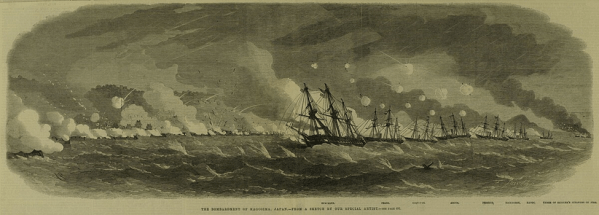
Euryalus leading the line of battle during the Bombardment of Kagoshima, 18636

While I do not have a picture of Great-Grandfather George, Royal Navy Form 95 says that he was 5 ft., 7.5 inches tall, with a ruddy complexion, dark hair, and blue eyes. He had a tattoo on his left arm, his initials: G.M.B. 7

George was already married and a father with two children when he started his indentureship. His daughter, Mary, was 4 and my great-grandfather, Henry was just two years old. His wife, Elspeth Milne would have had her hands full with a young family and an absent husband. Elspeth would also have been worried about George as he was in active military service. As George remained a member of the Royal Navy his entire working life, it is probable that he participated in many battles.

Sailors were constantly at work when at sea. All ships were dangerous workplaces and injuries and death as a result of injuries were common. Their sleeping quarters were cramped, the sailors’ sleep was often disturbed, and their meals were neither copious nor balanced. Although some ships did issue a daily ration of lime juice and sugar, but in quantities not exceeding one ounce of each, assumably to prevent scurvy. The ships were cold, damp, and uncomfortable and their clothes could be damp for months at a time.  Most ships did not have a physician or surgeon on board so some health conditions could not be addressed quickly. Sailors’ wages were usually paid in arrears as a deterrent to desertion.8

Sailors were susceptible to tropical diseases and while dysentery can be caught anywhere, It’s a more common condition in tropical areas of the world with poor water sanitation. The Royal Navy sailed the world over, often in tropical waters. Dysentery on board was common. It is contagious and can be contracted from eating food prepared in unsanitary conditions or by drinking contaminated water. 9

As George worked on 14 ships before he signed up for continuous service in 1854, he already had a good idea of what he was getting into. On 5 February 1847, George was admitted to the Dreadnought Seaman’s Hospital to treat dysentery.10 The registration indicates that he was victualled for 46 days which, I believe means that he was paid for the 46 days that he was in the hospital.

The Dreadnought Seamen’s Hospital provided seafarers with hospital care for 150 years. It started in 1821 as a wooden warship moored in the River Thames at Greenwich, England. After 1870, the hospital transferred to dry land at the former Greenwich Hospital Infirmary, and the hospital continued to treat sailors in Greenwich until its closure in 1986.11 In 1987, a Dreadnought Unit opened at St. Thomas Hospital in London.12
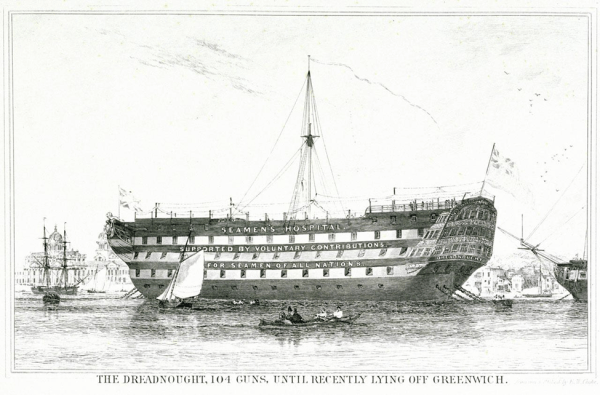
The ‘Dreadnought’, 104 Guns, At present Lying off Greenwich For The Seamen’s Hospital, ©National Maritime Museum

George was a member of the Royal Navy during the second half of the 19th century and, at that time, naval warfare underwent a complete transformation due to steam propulsion and metal ship construction. While Britain was required to replace its entire naval fleet, it managed to do so through unparalleled shipbuilding capacity and financial resources.13 When George started his career, he served on a wooden hulled steam frigate. By the time he completed his career, he would have seen great leaps of technological improvements.

  1. Scotland’s People, Old Parish Registers, Boggie, George Murray, 1826, Old Deer, Aberdeenshire, accessed 7 June 2024.
  2. Scotland’s People, 1841 Census, Boggie, George Murray, Peterhead, Aberdeenshire, accessed 12 June 2024.
  3. Form 95, Indentured royal navy papers, Boggie, George Murray, dated 13 February 1854, National Archives, accessed 3 July 2024.
  4. Wikipedia, HMS Euryalus (1853), https://en.wikipedia.org/wiki/HMS_Euryalus_(1853), accessed 20 November 2024.
  5. Wikipedia, Crimean War, https://en.wikipedia.org/wiki/Crimean_War#Baltic_theatre, accessed 20 November 2024.
  6. Wikipedia, HMS Euryalus (1853), https://en.wikipedia.org/wiki/HMS_Euryalus_(1853), accessed 20 November 2024.
  7. Form 95, Indentured Royal Navy Papers, Boggie, George Murray, dated 13 February 1854, National Archives, accessed 3 July 2024.
  8. The Old Operating Theatre, Life at Sea: The Working Conditions and Health of a Sailor, https://oldoperatingtheatre.com/life-at-sea-the-working-conditions-and-health-of-a-sailor/, accessed 13 November 2024.
  9. Cleveland Clinic, Dysentery, https://my.clevelandclinic.org/health/diseases/23567-dysentery, accessed 20 November 2024.
  10. Ancestry, Dreadnought Seamen’s Hospital Admissions, 1826-1930, Boggie, George Murray, accessed 13 November 2024.
  11. Royal Museums Greenwich, https://www.rmg.co.uk/collections/hms-nhs-nautical-health-service-transcription-project, accessed 20 November 2024.
  12. Seafarer’s Hospital Society, https://seahospital.org.uk/about-us/our-history/, accessed 20 November 2024.
  13. Wikipedia, The Royal Navy, https://en.wikipedia.org/wiki/Royal_Navy#:~:text=At%20the%20start%20of%20World,during%20the%20following%20four%20months
The Making of a Canadian Artist

JULIUS GRIFFITH
RCA, OSA, CSPWC, CSGA
(1912-1997)

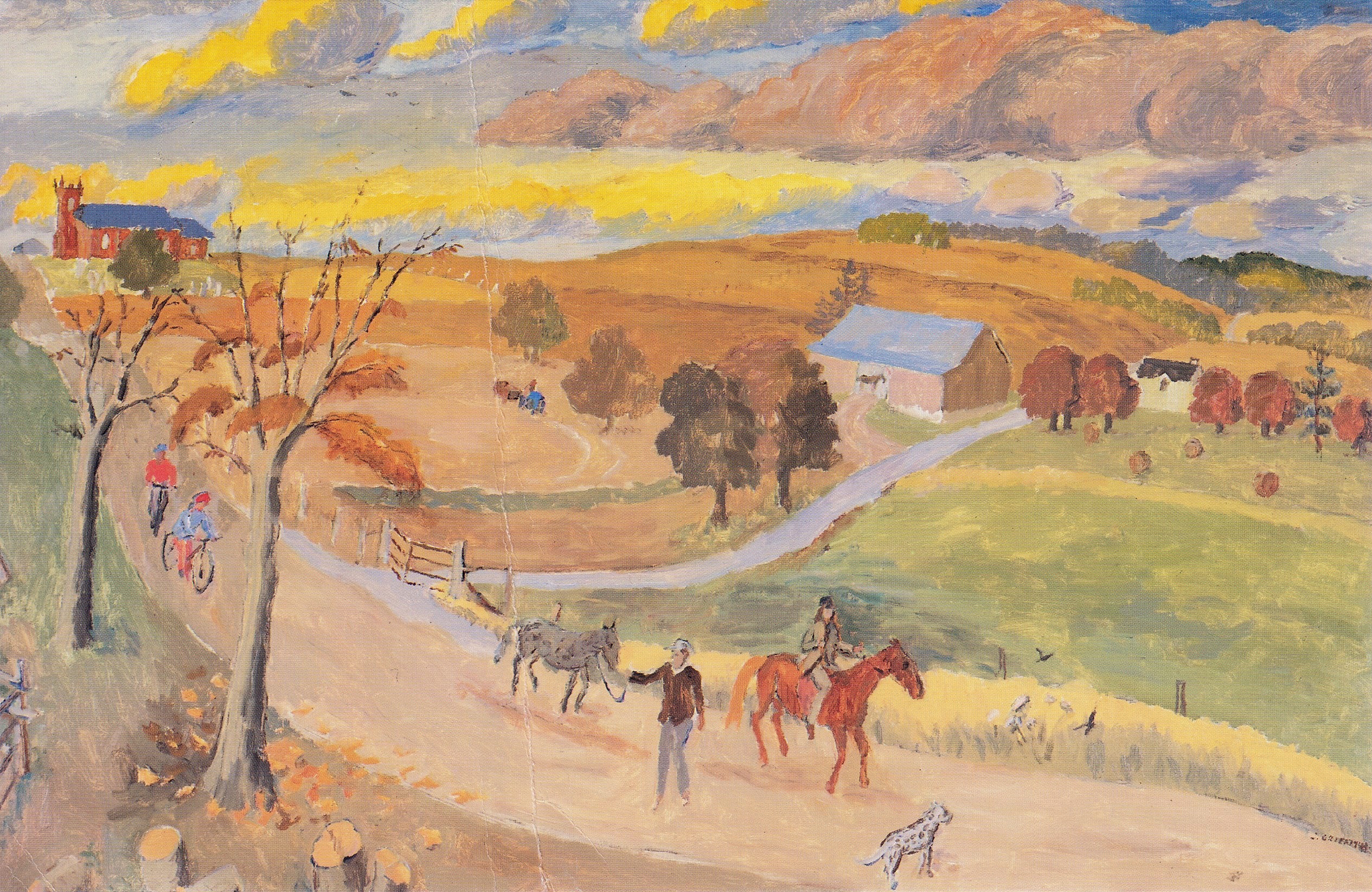
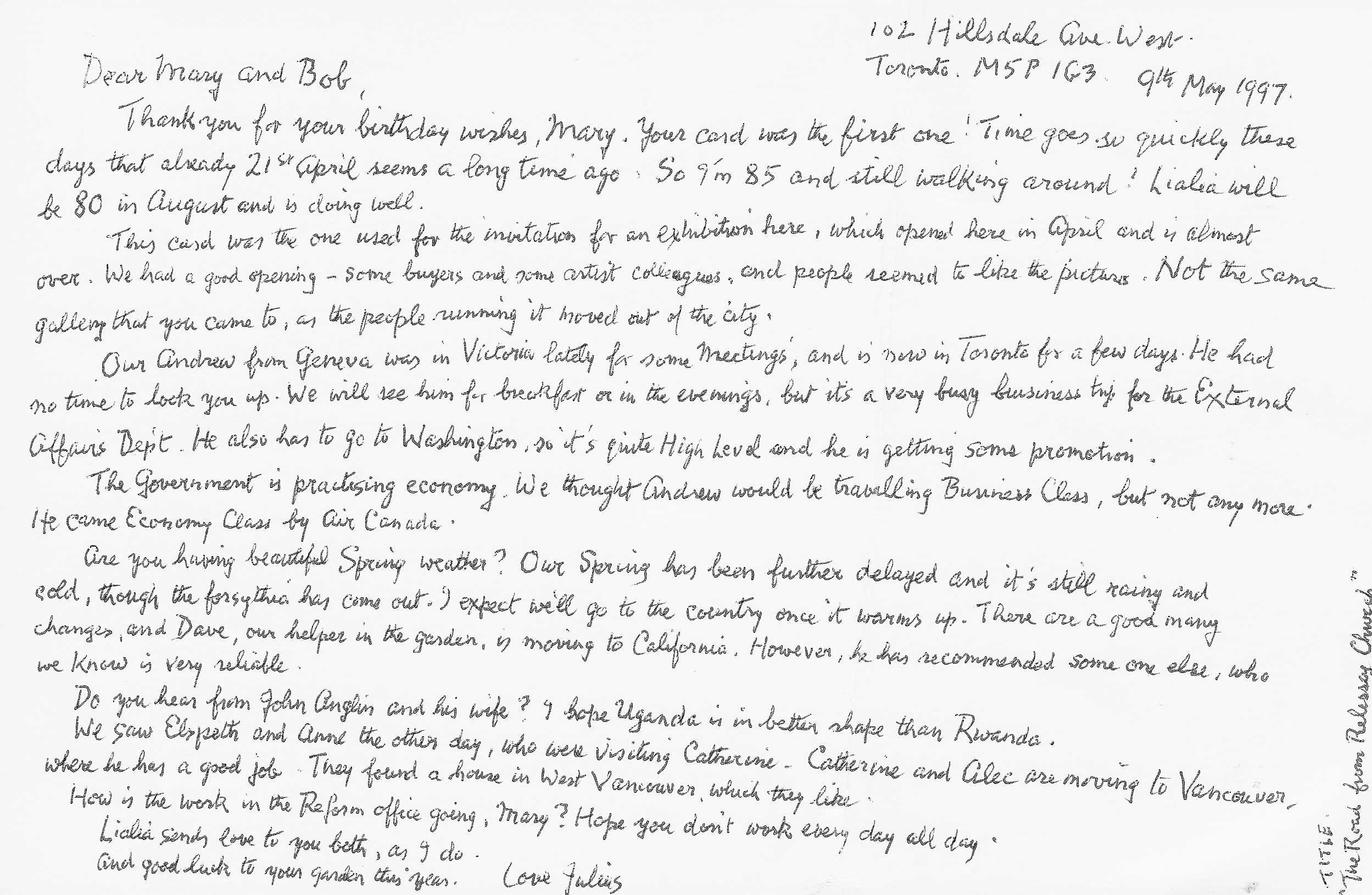
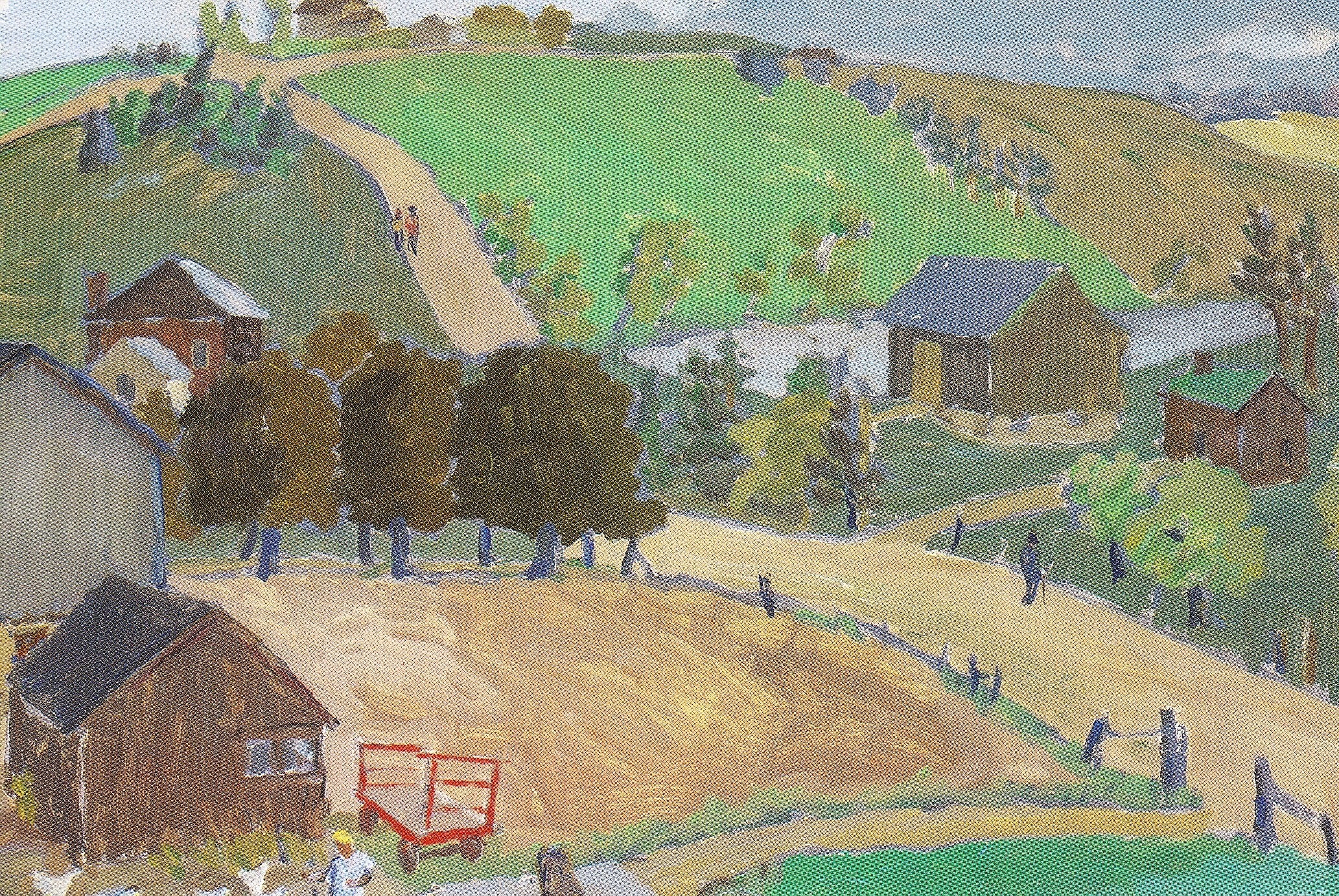
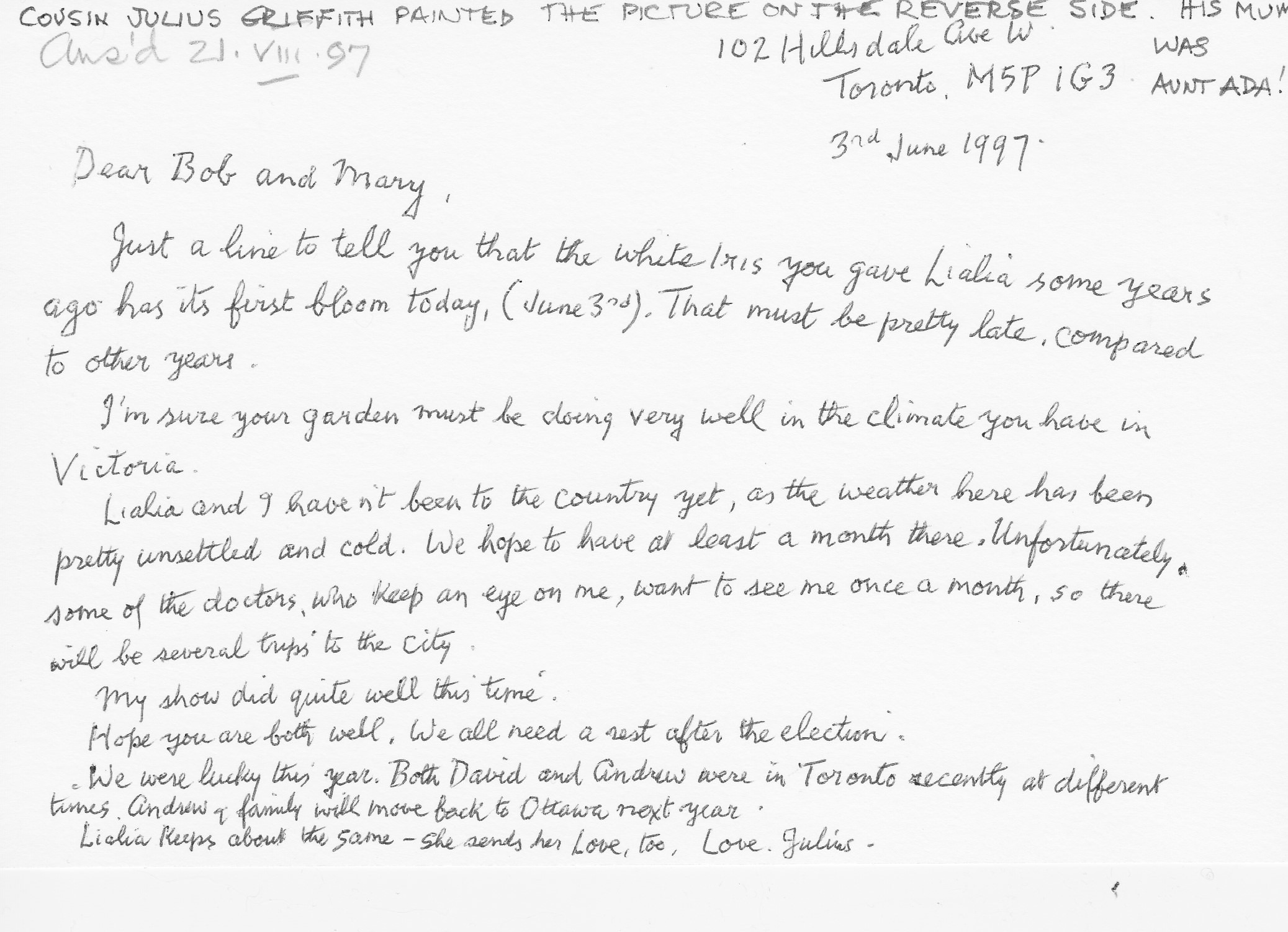
My collection of genealogy treasures includes two picture postcards sent to my Aunt Mary by her talented artist cousin, Julius Griffith, prior to his death in November 1997.

His meticulous handwriting described that day’s garden blooms, commented on the recent election, provided a short health update, news of a son moving back to Ottawa with his family and Lialia sending her love. At the very end, he writes “my show did quite well this time.”

“The Road between Allen’s Farms”

And so it should have. Her cousin, Julius Edward Griffith (1912-1997) was a successful enough painter in watercolour that the members of the Canadian Society of Painters in Water Colours (CSPW), voted for him to be included as a member. Co-founded by a group of prestigious painters including Group of Seven artists A.J. Casson and Franklin Carmichael in 1925, the association continues to exist and has a storied history. For their Diamond Jubilee in 1985, they selected 60 paintings, including one from cousin Julius, and gave them to Her Majesty Queen Elizabeth II. The Queen formally exhibited the collection in Windsor Castle’s Drawing Gallery in 19861.

One of my two postcards could be a replica of his circa 1982 painting presented to the Queen, which was called “The Empty Farmhouse.” The official description describes it as a “watercolour view across fields of a square farmhouse with four windows, surrounded by trees.”

Julius Edward Griffith (1912-1997) was a successful painter in watercolour and oils, a graphic artist, an illustrator, a fine print maker and an art teacher.

As the only child of Katharine Ada Lindsay and Julius Henry Griffith, and born in Vancouver, British Columbia, Julius relished his grandfather Lindsay’s extensive art collection when he visited with him in Montreal, Quebec. Thus began his art education.

Julius Griffith – 1920

When Julius finished High School at 16, he was too young to attend the Royal Military College, as was his father’s family tradition. Instead, he studied at the Vancouver School of Art (Now Emily Carr University of Art + Design)under Charles H. Scott, F.H. Varley and J.W.G. MacDonald (two of which were Canada’s famous Group of Seven artists2). What a fantastic start to his artistic career! At the same time, he also learned block printing techniques from American artist Bruce Inverarity3 who lived in Vancouver at that time. Julius was immediately drawn to block printing because he enjoyed black and white contrast.

A few years later, he moved to England with his parents and studied at the Slade School of Art4 in London and continued his studies at the Central School of Arts & Crafts with Noel Rooke5 learning the technique of wood carving.

At age 21, Julius returned to Vancouver during the Depression hoping to get any kind of work as an artist. And he did! The owner of the Vancouver Sun newspaper commissioned him to paint two murals on the walls of his building and different groups of people were invited to watch his progress. Among these groups were his previous art teachers, Fred Varley and Jock Macdonald and their students at the time. He must have been so pleased at this role reversal!

In 1938, near the end of his fourth year back in England at the Royal College of Art6, he returned to Vancouver to see his father just before he died. After his father’s death, WWII interrupted Julius’ studies but he returned to England with his mother at that time as he wanted to serve.

During the war he worked with the “Air-raid Precautions” for a time and eventually joined the Red Cross. He worked in a country-house hospital in Sussex and, with so little to do, Julius taught art and learned to speak Russian.

What a serendipitous decision! He fell in love with his teacher – nurse Lialia Oralevs originally from Latvia – and they married quietly a couple of years later before the end of the war.

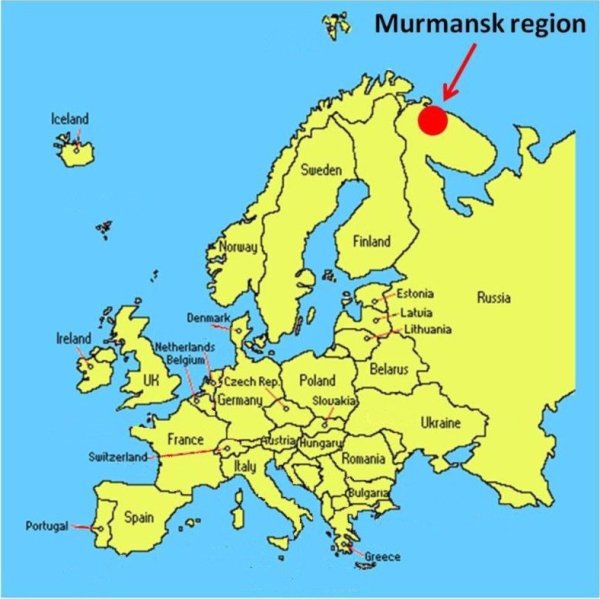
After learning to speak Russian, Julius presented himself in London to the Royal British Navy, passed an oral Russian test and worked as an interpreter under the rank of Sub-Lieutenant stationed in Murmansk7 and Archangel until the end of the war.

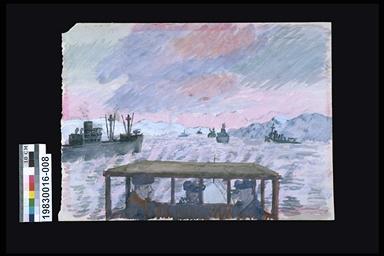
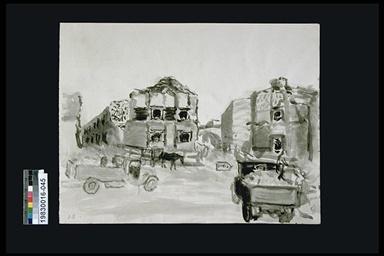
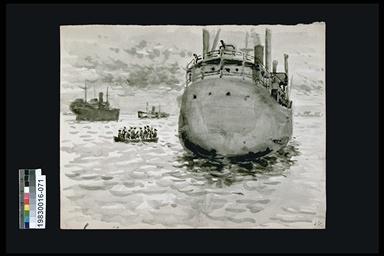
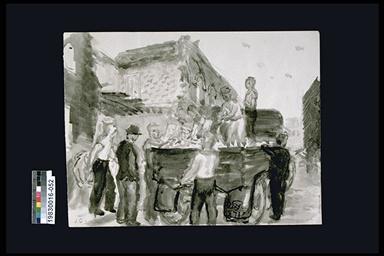
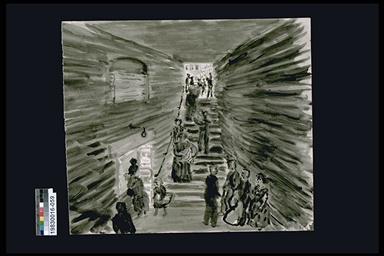
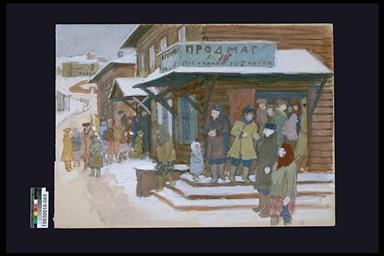
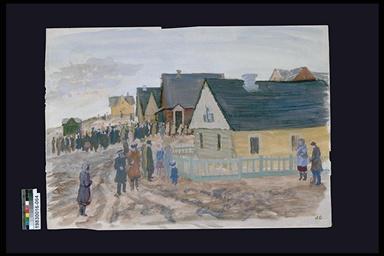
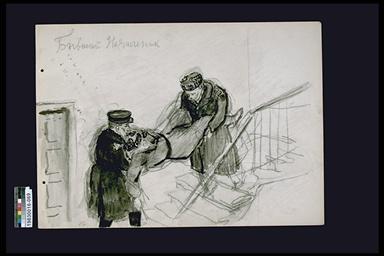
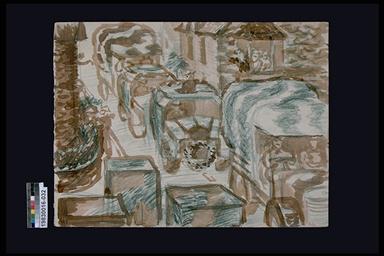
While in Russia, Julius would sketch scenes from memory in the privacy of his room at night and only after his 30-year oath of secrecy expired did he show them to the Canadian War Museum8. They purchased 90 of these drawings and The British War Artists Collection acquired several as well.

After the war, Julius and Lialia returned permanently to Canada. Julius quickly earned a degree at age 34 which enabled him to teach art and support his wife and four sons while continuing to pursue his passion as a graphic artist and wood engraver. Julius taught art in many of the top schools in Toronto – the Western Technical School, Artists’ Workshop, Ryerson Polytechnic Institute, Ontario College of Art, and at Central Technical School.

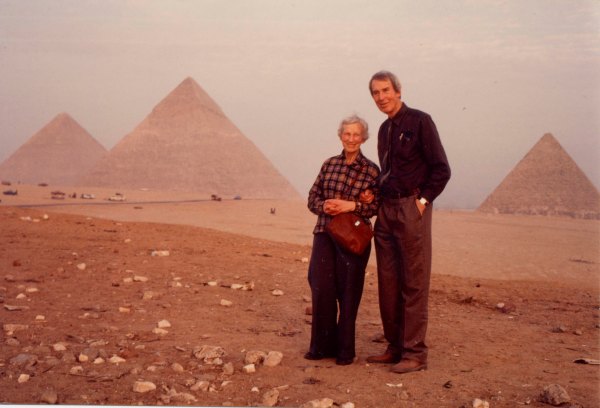
Although I never met Julius, I understand that they made quite the impressive pair with Julius at 6 feet 4 inches towering over five foot Lialia. Not surprisingly, “Julius seemed to develop a slight lilt to the left in later years, probably because he would put is left hand on Lialia’s shoulder and lean to hear or speak to her.” This 1985 photo taken during a trip to Egypt illustrates this charming pose.

Julius and Lialia – 1985 (courtesy of Lorne Griffith)

On the other postcard that he sent to my Aunt Mary in 1997, he wrote “This card was the one used for the invitation for an exhibition here, which opened in April and is almost over. We had a good opening – some buyers and some artist colleagues, and other people seemed to like the pictures.”

” The Road from Relessey Church”

Although I don’t have any of Julius’ original paintings, his two picture postcards with his personal handwritten messages are real treasures to me.

NOTE:

Julius’ work is displayed in the collections of the National Gallery of Canada, Canadian War Museum, Imperial War Museum (London), Art Gallery of Ontario, Toronto City Archives, Toronto Public Library, Art Gallery of Hamilton, McMaster University (Hamilton), Carleton University (Ottawa), Glenbow Museum (Calgary), Art Gallery of Greater Victoria (British Columbia), and numerous corporate and private collections.

1https://www.rct.uk/collection/926180/the-empty-farmhouse (as referenced 2023-06-02)

2https://wiki2.org/en/Group_of_Seven_(artists) (as referenced 2023-06-02)

3https://www.fecklesscollection.ca/robert-inverarity/ (as referenced 2023-06-02)

4https://wiki2.org/en/Slade_School_of_Fine_Art (as referenced 2023-06-02)

5https://wiki2.org/en/Noel_Rooke (as referenced 2023-06-02)

6https://wiki2.org/en/Royal_College_of_Art (as referenced 2023-06-02)

7https://wiki2.org/en/Arctic_convoys_of_World_War_II (as referenced 2023-06-02)

8https://www.warmuseum.ca/collections/?type=all&q1=all%3A%3A_contains%3A%3Ajulius%20griffith%20art&sort=title&order=asc&view=grid&size=24&page=1 (Julius Griffith’s 24 paintings

– as referenced 2023-06-02)

The Great Volunteer Soldier Recruitment of 1653

Next month marks 370 years since my six times great grandfather and his brother volunteered to join a militia to protect the city of Montreal. Their voyage from France to our city would last five months and require two departures. They faced captivity, an epidemic and enough starvation and illness to cause the death of eight of their colleagues, but they survived.

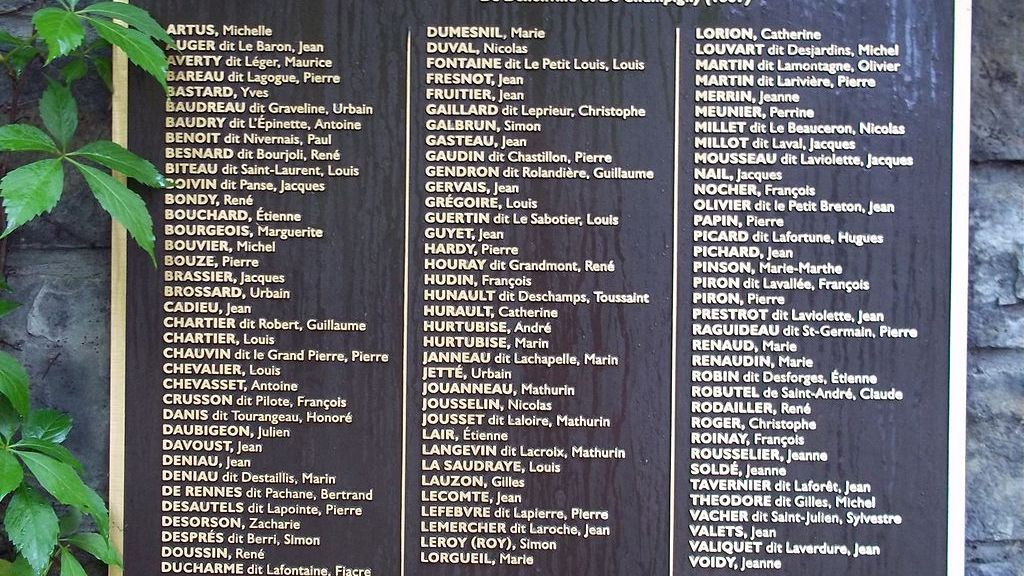
Marin Hurtubise and his brother André were among 154 men recruited by New France Governor Paul Chomedey de Maisonneuve to help protect the Fort Ville-Marie from Iroquois attacks. They signed five-year contracts with the Société de Notre Dame de Montréal to clear uncultivated land in New France for farming at a price of 100 livres per year1. Their employer, also known as the “Company of Montreal,” was originally founded in France in 1639 to establish a colony in Canada.

According to notes left behind by my grandmother, the Hurtubise brothers came from a town known as Sillé-le-Guillaume in Rouesse-Vasse, southwest of Paris in the Sarthe Departement in the Pays de la Loire region.

They travelled to St. Nazaire to join 120 other men and 14 women who set sail for New France on June 20, 1653. Among their ship mates was Marguerite Bourgeoys, a women with a desire to create schools in New France. She also founded the Notre Dame parish and set up housing for the filles du roi. In 1982, Pope Pius XII canonized her as Canada’s first female saint.

The trip in Captain Pierre le Besson’s ‘Saint-Nicolas-de-Nantes’ vessel2 did not go well.

Ships in that era were not the large luxury vessels we cruise on today. According to an unauthored essay that used to appear on the Maison Saint Gabriel website, they measured roughly 25-45 meters long and 8 meters wide. Passengers bunked in a single room at the back of the ship in unsanitary conditions in which everyone slept in their clothes. Buckets collected waste and vomit from those who couldn’t handle seasickness. Meals often consisted of dry biscuits, salt pork and fish.

In this case, the ship also leaked. The ‘Saint-Nicolas-de-Nantes’ took on so much water that after sailing 350 leagues (1600km), the crew had to return to Nantes. Passengers were left on an island off the coast of France to wait for another month until a replacement ship could be found. According to Marguerite Bourgeoys’ diary, some of the recruits deserted their posts and swam back to France.

“Sieur de Maisonneuve and all of his soldiers stopped on an island from which there was no escape. Otherwise, not a single one would have stayed. Some even set about swimming to save themselves since they were furious and believed they had been taken to perdition.”3

On July 20th, after a St. Marguerite’s day mass, the replacement ship set sail for the New World with the Hurtubise brothers and Marguerite Bourgeoys on board. This voyage, which featured many storms, an outbreak of the plague and eight deaths (Jacques Audru, Olivier Beaudoin, René Cadet, Jean Chaudronnier, Louis Doguet, Michel Lecomte, Joachim Lepallier and Pierre Moulières), doesn’t sound any better than the first, save for the sea-worthy vessel.

After 64 days, the ship landed at Cap-Diamant, on September 22, 1653. At that point, it seems that the ship was set on fire in the middle of the river. Bourgeoys’ writings imply that it got stuck so that high tide couldn’t even free it.

For the next two months, New France Governor Jean de Lauzon tried to keep the voluntary soldiers and marriageable women in Quebec to defend that city, in part by refusing to provide the barges needed to sail the Saint Lawrence River to Ville-Marie.

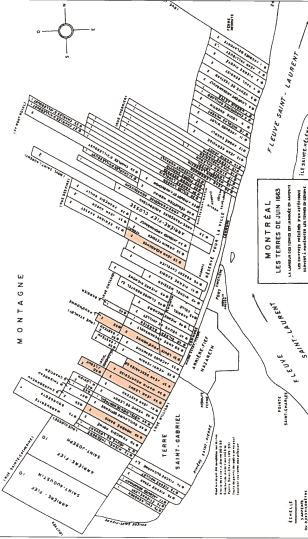
Eventually, de Maisonneuve prevailed. The group arrived at Ville-Marie on November 16th.4 They were all given land grants next to the Saint Laurence River. Later, Marin and five neighbours settled in Côte St. Antoine.5

André Hurtubise died six years after the brothers arrived in Montreal. Marin lasted 19 years, successfully marrying and having six children during that time. He died in Montreal on May 12, 1672.6

Sources

1Aubry, Louis, Famille Hurtubise Gendron, https://www.mes-racines.ca/fichiers/Lign%E9es/H/Hurtubise-Gendron/Hurtubise-Gendron.pdf, accessed May 2, 2023.

2“Ancestors on the World Stage,” https://www.apointinhistory.net/granderecrue.php, accessed May 2, 2023.

3Les Écrits de Mère Bourgeoys, p. 46

4“La Grande Recrue de 1653.” http://louisianalineage.com/recrue1653.htm, accessed May 2, 2023.

5MacKinnon, Janet S. The Settiement and Rural Domestic Architecture of Côte Saint-Antoine, 1675—1874, thesis 2004

6Find a Grave, database and images (https://www.findagrave.com/memorial/144617536/marin-hurtubise: accessed 02 May 2023), memorial page for Marin Hurtubise (26 Oct 1631–12 May 1672), Find a Grave Memorial ID 144617536, citing Ancien cimetière Notre-Dame (1672-1830), Montreal, Montreal Region, Quebec, Canada; Maintained by AW (contributor 47829810).

Photo of commemorative plaque courtesy of Jean Gagnon, CC BY-SA 3.0 https://creativecommons.org/licenses/by-sa/3.0, via Wikimedia Commons.

Auntie Madge, the Riveter

Page one of the Montreal Star read “Canada is Now Officially at War.” The article goes on to describe the declaration of war on Sunday, September 3, 1939:

“The declaration of war called forth a feverish activity, disturbing the quiet of a mellow Sabbath day on the very edge of autumn. … Thousands of people … heard the roll of bugles and drums, but, this time, with a martial motive. The Army Services Corps were parading with placards calling for volunteers in their vital lines of military service.” 1

Both my dad, Edward McHugh, and my uncle, James McHugh, volunteered to serve in the Canadian military. Edward went into the Royal Canadian Air Force (RCAF) and James joined the Royal Canadian Hussars, the armoured car division of the Canadian Armed Forces. Edward was stationed in Yorkshire, England and James saw active duty in France.

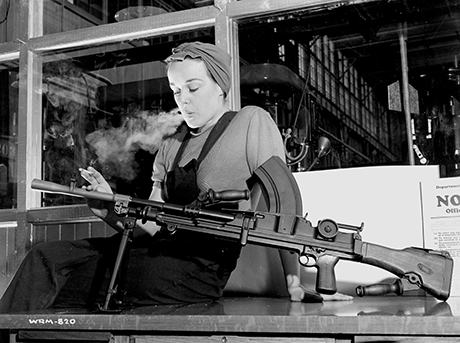
While the McHugh brothers were in Europe fighting the war, Canada was being transformed. Madge Angell, James’ wife, worked in one of the many factories that manufactured armaments for the war effort. She was a riveter and one of the one million Canadian women who worked in plants that produced munitions, weapons, and equipment during the Second World War. Veronica Foster, Ronnie, the Bren Gun Girl, represented these women and became a Canadian icon. Foster worked for the John Inglis Company Ltd. on the production line for the Bren light machine guns. She was photographed for a propaganda campaign under the direction of the National Film Board of Canada. These pictures were used to encourage Canadian women to participate in the war effort.2

Unknown photographer, Veronica Foster, an employee of John Inglis Co. Ltd. and known as “The Bren Gun Girl” posing with a finished Bren gun in the John Inglis Co. Ltd. Bren gun plant, Toronto (May 10, 1941), contemporary print from vintage negative. National Film Board of Canada. Photothèque / Library and Archives Canada e0007604533

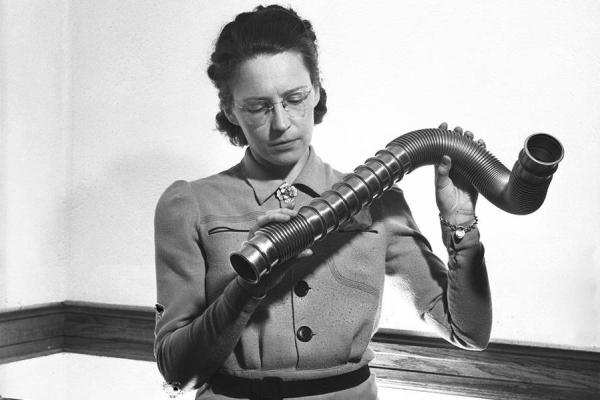
Canada not only needed women to directly support the war and work in the munitions industries; it was also essential that they fill jobs traditionally held by men. Women worked on airfields, in factories, and on farms. They developed a reputation for fine precision work in electronics, optics, and instrument assembly. With the men away from the farms, the women took on the extra work. Lumberjacks became lumberjills. They also drove buses, taxis, and streetcars. Notably, Elsie Gregory MacGill was the first woman in the world to graduate as an aeronautical engineer. She worked for Fairchild Aircraft Limited during the war and in 1940, her team’s design and production methods were turning out more than 100 Hurricane combat aircraft per month.4

Elsie MacGill. Source: Library and Archives Canada 5

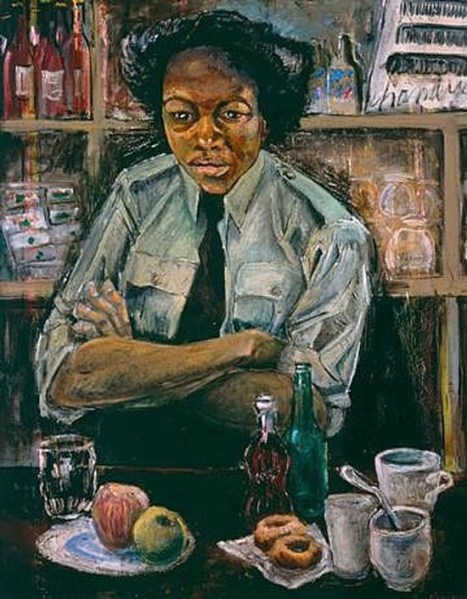
Canadian women wanted to play an active role in the military and lobbied the government. As a result, more than 50,000 women served in the armed forces:

  • The Canadian Women’s Army Corps;
  • The Women’s Division of the Royal Canadian Air Force;
  • The Women’s Royal Canadian Naval Service (Wrens); and
  • Nursing sisters. 6
Second World War painting, Private Roy, Canadian Women’s Army Corps, by Molly Lamb Bobak.7 

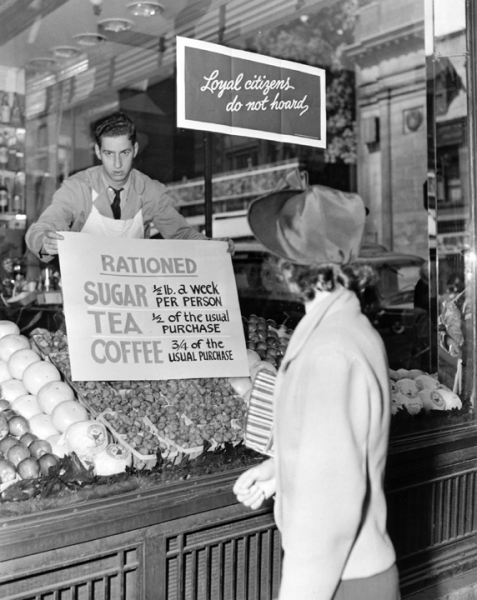
For women who did not work or were not members of the military, there were also many opportunities to contribute to the war effort. Women were asked to reduce their consumption of goods that were in short supply and to recycle. Goals were set to collect tons of rubber products to transform them into tires and other needed items for the war. Ration books were assigned.8 My grandmother, Grace Hunter, loved to cook and bake and she would often speak about the challenges of rationing during the war. At that time, all baking was home made, so the rationing of flour, butter, and sugar was difficult.

Scarcity of food lead to rationing.9

My grandmother also knit socks, gloves, and other knitted clothing for the troops that were delivered by the Red Cross. Women made warm clothing for the soldiers at the front, as well as quilts and bandages. As well, women groups sent books, newspapers, and treats to military hospitals.10 Nana was also active in organizing the “send off” and “welcome home” parties for the Montreal servicemen. My mom, Patricia Deakin, was a teenager during the war and her mother recruited her to help at these parties. She enjoyed these parties and felt that she was doing something for the war effort. An extra bonus was that she thought that the servicemen were very handsome.

  1. The Montreal Star, 4 September 1939, page 1, Newspapers.com, accessed 4 January 2023.
  2. Wikipedia web site, Veronica Foster, https://en.wikipedia.org/wiki/Veronica_Foster, accessed 9 January 2023.
  3. National Gallery of Canada web site, The Other NFB: Canada’s “Official Portrait,” Rynor, Becky,  1 March 2016, https://www.gallery.ca/magazine/your-collection/the-other-nfb-canadas-official-portrait, accessed 16 February 2023.
  4. Government of Canada web site, Women at War, https://www.veterans.gc.ca/eng/remembrance/classroom/fact-sheets/women, accessed 16 January 2023.
  5. Goldstream News Gazette, Canadian women making history: A life of firsts in flying colour, 29 April 2017, https://www.goldstreamgazette.com/business/canadian-women-making-history-a-life-of-firsts-in-flying-colour/, accessed 30 January 2023.
  6. Government of Canada web site, Women at War, https://www.veterans.gc.ca/eng/remembrance/classroom/fact-sheets/women, accessed 16 January 2023.
  7. Private Roy, Canadian Women’s Army Corps, painting by Molly Lamb Bobak, Beaverbrook Collection of War Art (online), Canadian War Museum, 19710261 1626, accessed 16 January 2023.
  8. Government of Canada web site, Department of Veterans Affairs, Timeline – Women and Warhttps://www.veterans.gc.ca/eng/remembrance/those-who-served/women-veterans/timeline, accessed 30 January 2023.
  9. The Montreal Gazette, 1943, Library and Archives Canada, PA 108300, accessed 30 January 2023.
  10. Government of Canada web site, Department of Veterans Affairs, Women on the Home Front,  https://www.veterans.gc.ca/eng/remembrance/those-who-served/women-veterans/homefront, accessed 30 January 2023.

Captain Stanley Lindsay

Part One of Two

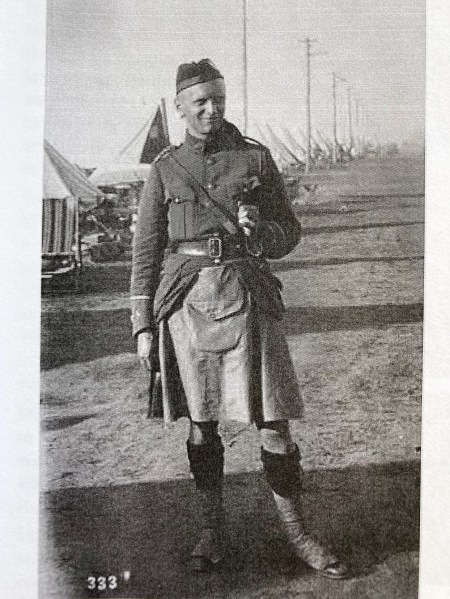
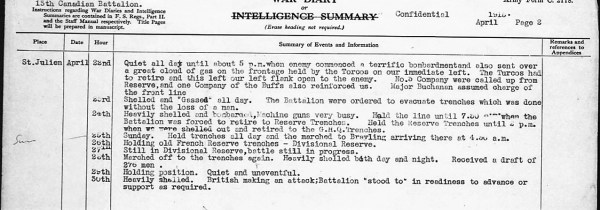
Somehow my great-uncle Stanley survived the Battle of St. Julien1 which was part of the larger Second Battle of Ypres (22 April – 25 May 1915). There were around 100,000 casualties in that battle alone.

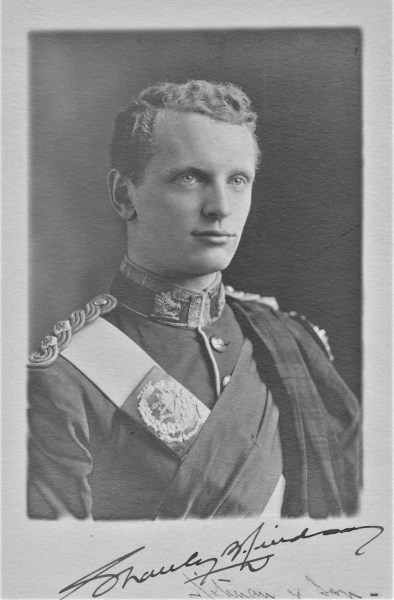
Stanley Bagg Lindsay (1889-1965) fought in The Great War with the 13th Battalion, Royal Highlanders of Canada (RHC). The Germans deployed poisonous chlorine gas in Ypres, Belgium, against the Allied armies (Belgium, French, British Expeditionary and Canadian Expeditionary Forces) for the first time.

This is the letter he wrote home to Montreal on April 27, 1915, from the trenches in Ypres, Belgium:

You must know by now that we have been getting a rather exciting time of it and it is honestly beyond me to understand why I am still alive.

I will tell you briefly what took place.

On the evening of the 21st we took over the trenches from the 14th Battalion. Everything was very quiet. The French were right next to us on our left. About 5 PM on the afternoon of the 22nd bombardment such as I never thought possible began by the Germans. Shells (coal boxes) shrapnel for about two hours, and then the Germans attacked and captured the French trenches which brought them right next to us on our left.

Stanley signed up to to serve with the Canadian Over-Seas Expeditionary Forces (CEF) on September 23,1914, according to his attestation papers. He left his studies at McGill University at age 25 to do so.

Seven months later, he witnessed the horrors of the German war machine first hand. His letter home continued:

During the night they rushed troops through this gap and next morning were right in behind us. We, however, held onto the trenches for 24 hours in spite of the fact that they had machine guns behind us, and shelled us heavily. The night of the 23rd we had orders to evacuate those trenches, and dig-in in another position which we did. The next morning we were shelled and shelled and finally shelled out of the trenches. By this time the casualties were high. I took up on a position with MacTier and a few men and stayed there for sometime till we had orders to evacuate. Since then the biggest battle ever fought has been going on. I am afraid the casualties will be very high.

Guy Drummond, Major Norsworthy and Lees are killed and some are wounded. You might telephone to Mrs. C.K.2that he is alright.

Many of these men’s families knew each other socially before the war as they all lived near one another in Montreal’s “Golden Square Mile”. 3 Hence, his suggestion to let their friend, Mrs. Clark-Kennedy, know that her son was still alive.

The events that took place next, with these men specifically mentioned, were written up in – Montreal and the Battle of Ypres 1915 One Hundred years4 – in a book on Canadian Military History.

With German infantry hot on their heels, Captain Clark-Kennedy, with Lieutenants Stanley Lindsay and William MacTier, conducted a resolute rear guard. But the new battalion position proved as hazardous, for it was quickly taken under observed fire from the Germans in occupied Canadian trenches.

Numerous individual and section duels took place during the two long nights when the 13th held the division flank unsupported by artillery, low on ammunition and without food or water. How these exhausted men, without sleep for over seventy-two hours, managed again and again to march, dig, and do battle is the stuff of regimental legend and legacy.

Somehow, during this chaos, Stanley found the time and energy to write his letter home and described the same experience in his own words:

I believe that the authorities think we did well and are pleased with us. The conduct of my own men was absolutely splendid, and I am sorry to say that many of them have been killed and wounded.

I don’t know when I shall be able to write again, so don’t worry. Just now we are in a dugout with heavy shell fire going on. The fight up ahead is heavy. We hope to get a rest soon, as we are all pretty much all (done) in.

The total cost of the battle to the 13th Batallion was 483 all ranks or 49 percent5.

The waiting crowd at Southampton docks burst into cheers when some of these remaining Canadians disembarked the train.

Even the normally reserved Imperials took notice and embraced their colonial brethren. Recruiting posters in Glasgow and Edinburgh for Scotland’s Black Watch, now proudly added, “with which is allied the 13th Canadian Battalion, RHC.” 6

1https://wiki2.org/en/Battle_of_St_Julien – as referenced 2023-02-08

2Captain Clarke-Kennedy fought with Lieutenant Stanley Lindsay.

3https://wiki2.org/en/Golden_Square_Mile – as referenced 2023-02-09

4Roman Jarymowycz (2015) “Montreal and the Battle of Ypres 1915 One Hundred Years,” Canadian Military History: Vol. 24: Iss. 1, Article 11. Available at: http://scholars.wlu.ca/cmh/vol24/iss1/11

5Roman Jarymowycz (2015) “Montreal and the Battle of Ypres 1915 One Hundred Years,” Canadian Military History: Vol. 24: Iss. 1, Article 11. Available at: http://scholars.wlu.ca/cmh/vol24/iss1/11

6Roman Jarymowycz (2015) “Montreal and the Battle of Ypres 1915 One Hundred Years,” Canadian Military History: Vol. 24: Iss. 1, Article 11. Available at: http://scholars.wlu.ca/cmh/vol24/iss1/11

Spitfire Service Socks

My grandmother, Grace Hunter, used to knit, read, and watch television at the same time. She sat in her well-worn high-backed armchair, with her Women’s Own magazine or her Harlequin romance flattened open on the wide armrest, and watch her soap opera or a game show. I realize now that she was reading when the commercials were on but when I was a child, it seemed to me that she could follow the television and read simultaneously. Her lips moved silently to the beat of the clicking knitting needles. Every so often I heard her take in a deep breath as she concentrated on her knitting rather than the television or her book.

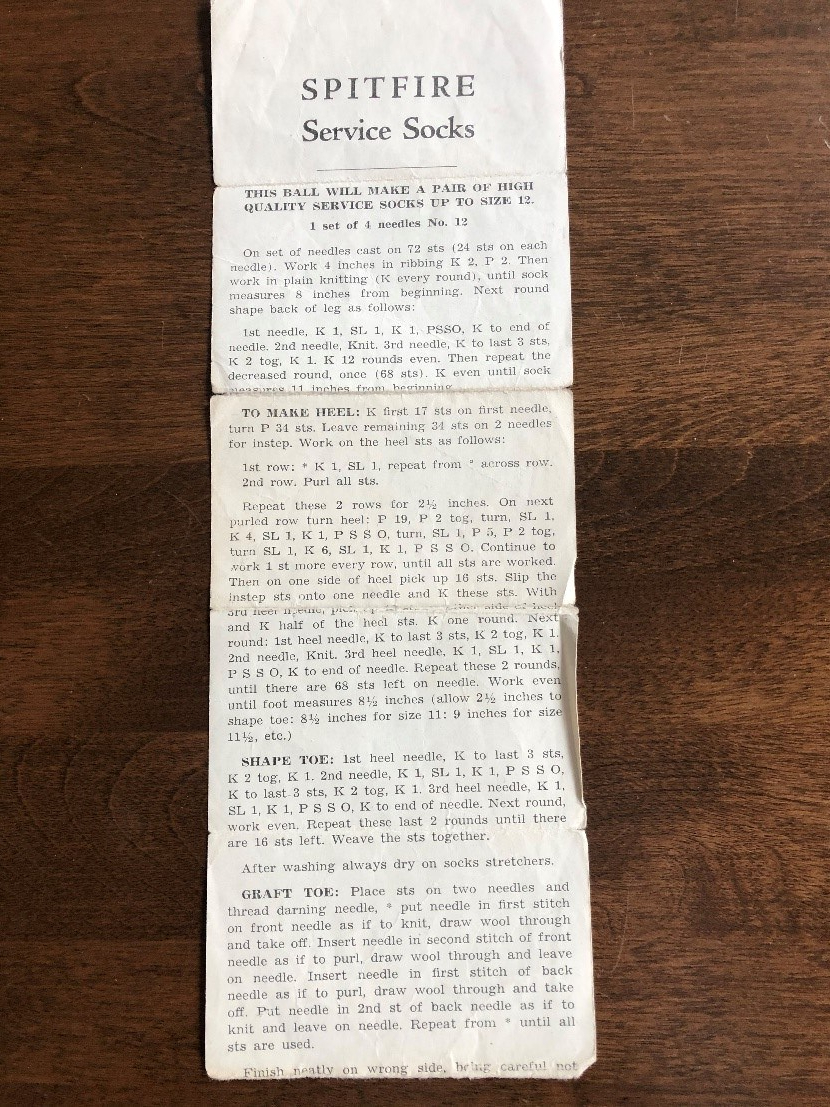
My memories of Nana knitting were more than thirty years after the end of World War II. She was a volunteer knitter for the war effort. This well-worn knitting instruction sheet for Spitfire Service Socks suggests that it was used often.

Spitfire

It is most likely that Nana learned to knit as a young girl. She came from a modest working class family so knitting would have been a necessary skill. During World War I, Grace’s father, John Hunter, was stationed in France. Knitting for the soldiers was an act of patriotism and is was highly likely that Grace, thirteen when her dad went off to war, would have knitted so that the care package that the family sent overseas would contain some warm socks and other knitted clothing.

My mom told me that when World War II broke out, my grandmother was active in the war effort. She belonged to the women’s auxiliary in the church and they held knitting bees, held fund raisers, and catered parties for the men on the eve of their departure for war. Knitting socks and other clothing was one way, among many, of doing something tangible for the men who had gone to war.

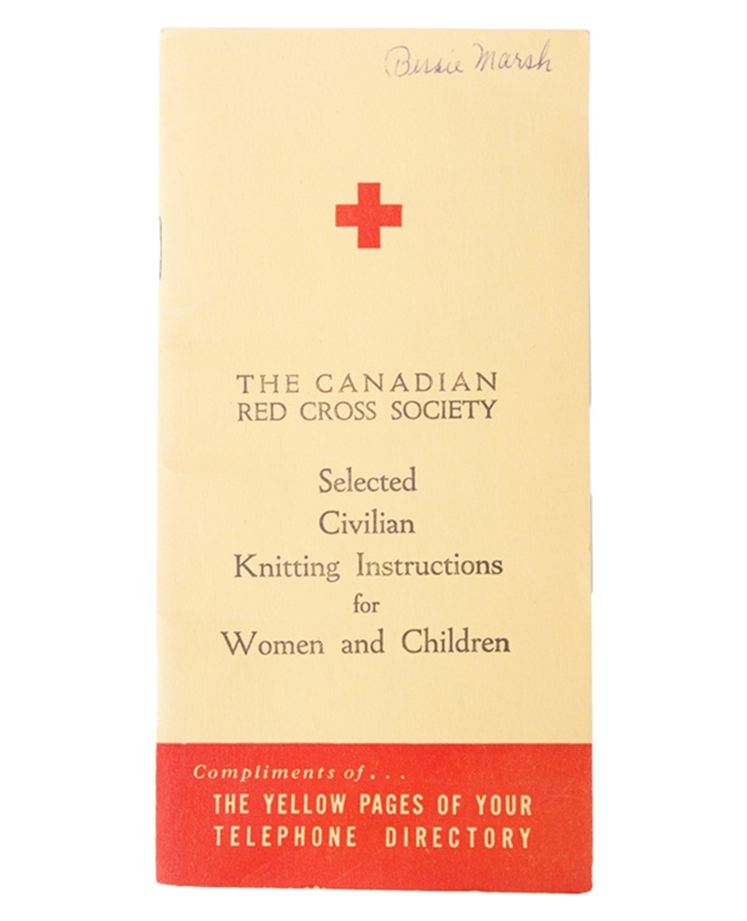
During both World Wars, the Canadian Red Cross issued knitting instructions to civilians so that they could contribute to the war effort.  Below is a picture of a booklet published during World War II. 1

Red Cross

The Red Cross was also in charge of collecting and distributing the knitting. Before sending the knitting overseas, the Red Cross inspected all items. Volunteers also helped with the quality control inspections and some knitters corrected mistakes made by others, such as taking out knots in heels of socks. Some volunteers would take the knitting completely apart and redo it, if needed. 2

The Canadian Red Cross estimated that 750,000 women knitted more than 50 million garments for the military in World War II.3

Even the style of knitting underwent a transformation. Continental-style knitting was popular in Germany but it fell out of favour in English speaking countries during World War II. Knitters changed to English-style knitting. The difference between the two styles is the hand in which the yarn is held. Continental-style knitters hold the yard in the left hand, not the right. Nana always had her yarn in the right hand, as her reading material was on the left armrest of her chair.4 She needed her left hand free to turn the page.


  1. Canadian Red Cross, WWII Civilian Knitting Instructions, https://www.redcross.ca/history/artifacts/wwii-civilian-knitting-instructions, accessed April 26, 2020
  2. Canadian War Museum, An Army of Knitters in Support of the War Effort, March 10, 2014, https://www.warmuseum.ca/blog/an-army-of-knitters-in-support-of-the-war-effort/, accessed April 26, 2020
  3. Idem.
  4. Weightman, Judy, More Knitting History, World War II, October 9, 2012, https://judyweightman.wordpress.com/2012/10/09/more-knitting-history-world-war-ii/, accessed April 26, 2020

Dear Miss Bulford – Part Two

DEAR MISS BULFORD –  PART TWO

With much excitement, my first posting after basic training was to  RAF Halton near Wendover, Buckinghamshire, the trade training school, called the ‘Medical Training Establishment’ where I would start my training as a Nursing Assistant.  I was now known as “J2844104 LAC Bulford” (Leading Aircraft Woman) and would answer a question put to me with the following,  ‘104 LAC Bulford, Ma’am”.  In 1966  when I was 20 years old, and other girls my age were enjoying ‘Swinging London’ and pop groups, I was marching, shining shoes and making bed with perfect ‘hospital’ corners.

RAF Halton Medical Training Establishment Crest

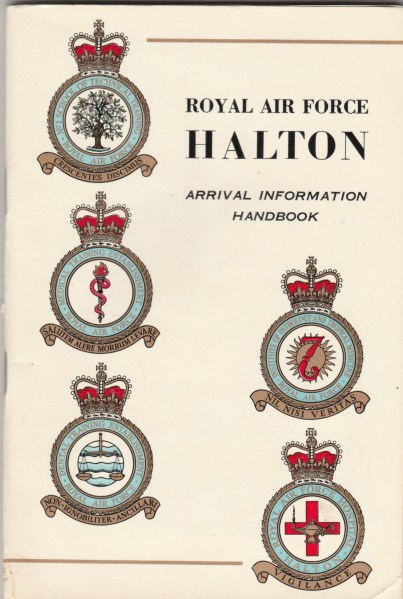
The camp I arrived at was enormous. In addition to the Medical Training Establishment (MTE) where I would do my training, RAF Halton also had on its property the Princess Mary’s Royal Air Force Hospital, the RAF Institute of Pathology and Tropical Medicine and the Dental Training Establishment, in addition, hundreds of apprentices or ‘boy’ entrants attending the No. 1 School of Technical Training learning to be aircraft technicians, electrical engineering and administration trades.

The handbook below has the crests for these various schools on the cover.  ‘Main Camp’ was where I signed in and then directed to ‘Hospital Camp’ and given an arrival information book (below) with a large map attached to find my way.

After a very long walk to my barracks,  I found the two-story red brick building named ‘Paine Barracks’.  My shared room was on the second floor and again, a long bright room with 14 beds seven on each side. The number of girls who intermittently arrived from all parts of England were all strangers to each other. They were pleasant and chatty, and, after introductions and a sizing up of one another, we started to exchange ideas about what the next stage of our life would be like.

Most of us seemed to be of the same idea;  we came from similar backgrounds after all.  We had left school at 15 years old and wanted to see life and get more education before settling down.   A Corporal arrived to show us the way to our mess hall on the main camp and we all set out for our tea.  Once more, I found the food to be very good, I suppose it does not say a lot about meals at home!   We still had to clean the large dormitory we all slept in, the bathrooms and our uniforms and shoes, but inspections were only once a month and not quite so stringent.

The following day started the next phase of my learning.   We were known as “Course 642, Medical Training Establishment”  We attended the classes every day, once again, marching to and from them.  Our tutor,  Sergeant Constantine,  (Sarge) and various other tutors were assigned different subjects but Sergeant Constantine was our main man.

Sarge taught us anatomy and physiology, first aid, infectious nursing surgical techniques removal of sutures, transfusions,  infusions vaccinations and general examinations. We learned about the body systems, body cells tissues then bones and the skull. Plus, types of wounds the composition of plasma and blood and platelets and the heart and other tutors taught us everything needed to take care of patients, such as care of their body, hair, teeth, intake of food and their general comfort.

With much hilarity, we practised giving each other first-aid, bed baths, and shampooing each others’ hair. Then fittingly,  ‘Last Offices’ were shown and practised. ‘Last Offices’ the laying out and preparation and treatment of the dead. I actually found this very interesting and enlightening, probably because my Granny whom I lived with for a few years had in a no-nonsense way had introduced me to death at a very early age. [2]

We went to the hospital wards a few times a week, to be bullied by the ‘Sisters’ – Princess Mary’s Nursing Sisters were Registered Nurses and officers  – but did they ever teach us well!

In England, in the RAF  all the Senior registered nurses were addressed as ‘Sister’. Not in a religious way, but as a formal address. In civilian hospitals, she would have been called  ‘Matron’ [1]

With our other tutors, we had to learn ‘Passive Defence’  the definition of which is ‘Any action which will reduce the effect of a nuclear biological or chemical attack’  We went into great detail about symptoms and proper treatments.  (Should we be so lucky to survive such attacks!) This was something I had never even thought about, but we still managed to fill whole exercise books of information and treatments and I found this quite scary.

One day, we were taken out to a huge field with bunkers which we were herded into. Once inside this bunker, we were told to take down a gas mask off the wall and put it on.  Sgt. Constantine then set alight a gas bomb. We were ordered to remove the gas mask hold our breath then  – Sgt. Constantine was with us –  walk in a circle three times, before exiting the door.  We did so, but not before some girls were shrieking with fear and crying to be let out! When we eventually stumbled out gasping some of the girls vomiting and with tears falling down our faces we were told this ‘exercise’ was to alert us to a gas attack. Very enlightening. These exercises, we were told, was because should such an event take place, the military would be called upon to assist civilians.

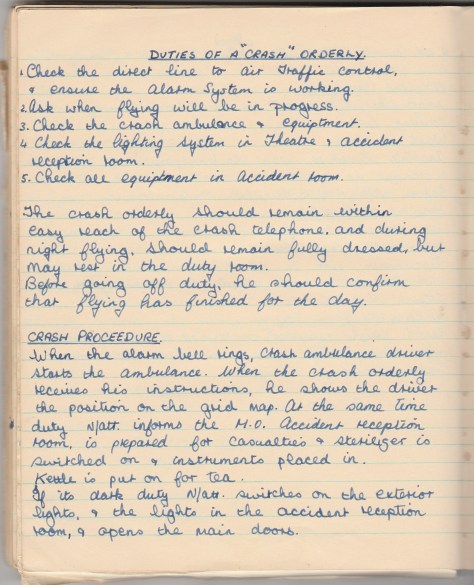
We were taught how to sterilise, prepare and layout numerous treatment trays and instruments everything in those days being metal. In a military hospital, we had reams of RAF forms to learn and ‘civilian’ forms too. Admissions were different for each. We had something called the duties of a ‘Crash Orderly’ Actions to be taken after a military of civilian plane crash, shown in my notebook, below.

I particularly like “Kettle is put on for tea” The panacea of British life!

Many studies for the general care of a patient were performed, and one day, in class, we had a ‘mock’ plane crash alarm in the woods although, at the time, we did not know it was a ‘mock’ It was very frightening and realistic.  Everything we did was recorded in our study books, which I still have. I rooted them out to write this story and I enjoyed reading and reminiscing.  Everything we did I now realise, was extremely thorough, which I will explore in part three.

NOTES

[1] The word “matron” is derived from the Latin for “mother”, via French.  The matron was once the most senior nurse in a hospital in the  United Kingdom before ca. 1972. She was responsible for all the nurses and domestic staff, overseeing all patient care, and the efficient running of the hospital. Matrons were almost invariably female—male nurses were not at all common, especially in senior positions. They were often seen as fearsome administrators but were respected by nurses and doctors alike.

The matron usually had a very distinctive uniform, with a dark blue dress (although often of a slightly different colour from those worn by her direct subordinates, the sisters) and an elaborate headdress.

More recently, the British Government announced the return of the matron to the NHS, (National Health Services) electing to call this new breed of nurses “modern matrons,” in response to various press complaints of dirty, ineffective hospitals with poorly disciplined staff.

Dear Miss Bulford – Part One Basic Training

https://genealogyensemble.com/2020/01/02/dear-miss-bulford/#like-6570

My Brothers’ Keeper – An Early Introduction To Death

https://genealogyensemble.com/2018/01/14/my-brothers-keeper/

Far from Home

The news from home gave John Hunter, my great-grandfather, a jolt. Usually letters from home to the troops during WWI were full of the joys of everyday life, encouraging the soldiers that the war would end soon and that the family back home awaited their return with anticipation.

For many months now, John Hunter had been getting bad news. John knew that his wife, Mary Hynd, had become seriously ill. Then John got the news that she was in the hospital, and then that she had died.

Luckily for John, he at least received news regularly from home in Scotland.  All mail going to France, where John was stationed, first had to reach Regent’s Park in England. From Scotland, this would have taken a bit of time. Nevertheless, the government consistently delivered letters to the troops as they felt that the letters helped with the troops’ morale. Nineteen thousand mailbags crossed the Channel every day and arrived at one of three stations in France: Le Havre, Boulogne, or Calais.1

John, a sapper with the 326th Company of the Royal Engineers, worked as a miner by trade back in Scotland. Sappers, sometimes called quarrymen or tunnelers, mined the quarries and built the tunnels essential to the Allies in their battles against the Germans.

The 326th Company was formed at Buxton, England and it landed at Le Havre on May 23, 1917, consisting of four officers, 264 men, and two horses.2 They moved to Marquise on May 27, 1917.  By this time, Mary, back home in Scotland, had been diagnosed with liver and intestinal cancer. Mary died on October 14, 1917 and her death certificate states that her husband, John, was out of the country in Rinxent, France. Rinxent is about 3 km from Marquise. The significant quarrying operations in Rinxent provided the stones for the laying and maintenance of roads by the Allies.3

It was in a document on October 27, 1918 that the request was made to the war office in London to release Sapper John Hunter, 326th Company, Royal Engineers from his war duties and to transfer him to the reserve. Permission was granted:

“…. Provided he can be spared, you will issue the necessary instructions for him to be despatched to the Scottish Command Discharge Centre, East London Street Schools, Edinburgh, with a view to him being transferred to the reserve and returned to his home.”

This permission was based on “compassionate grounds” and “due to his domestic situation.” Mary had left behind two children, my grandmother, Grace, 17, and Thomas, 12.

The Deputy Adjutant General signed off on the transfer of John Hunter to his home. He was transferred to Calais and then shipped to England, and then transferred to Scotland.4

By the time he actually arrived back home in Scotland, the Armistice had been signed, essentially bringing the war to an end. Nevertheless, as part of a quarrying company, he would have still needed permission to return home as the companies continued to mine in France until late 1919.


  1. BBC, “How did 12 million letters reach WWI soldiers each week,” http://www.bbc.co.uk/guides/zqtmyrd, accessed April 21, 2019.
  2. https://www.longlongtrail.co.uk/quarry-companies-of-the-royal-engineers/, The Long, Long Trail” or “The Long, Long Trail: the British Army in the Great War” or “Chris Baker’s site The Long, Long Trail” as title in addition to the URL, accessed April 21, 2019.
  3. https://www.longlongtrail.co.uk/battlefields/gazetteer-of-the-western-front/gazetteer-of-the-western-front-rinxent/, The Long, Long Trail” or “The Long, Long Trail: the British Army in the Great War” or “Chris Baker’s site The Long, Long Trail” as title in addition to the URL, accessed April 21, 2019.
  4. Document to the Commandant, Scottish Command Discharge Centre, Edinburgh, ref. Z1/B, signed December 13, 1918 by Lieutenant R.E. for Lieutenant Corporal, Troops Base Depot.

Seigneuries of Lanaudière, including Regional Notaries and Cemeteries

This region, on the north shore of the St. Lawrence River between Trois-Rivières and Montreal, is unknown to most North Americans except for those who had ancestors there.

The Elliotts were one well-known Lanaudière family. Through Grace Elliott Trudeau (1880-1973), Robert Elliot was an ancestor of former Prime Minister Pierre Elliott Trudeau and of current Prime Minister Justin Trudeau. Robert Elliott was born in Scotland in 1762 and settled in the Lanaudière area. His funeral service was held on April 17, 1810 at the Anglican Church in Trois-Rivières, and he was buried two days later in Maskinongé County, in the Protestant Cemetery of Saint-Gabriel-de-Brandon.

The Lanaudière region was settled by French Canadian, Acadian, British, Irish Catholic, Irish Protestant, Germanic, American and Eastern Europe families, including a few Loyalists in the Saint-Gabriel-de-Brandon, Louiseville and Yamachiche regions.

The Acadian families who came here had originally been deported to Massachusetts. In August 1766, they accepted the offer of Governor James Murray to come to Quebec. A large number of these Acadians were assigned pristine lands in the Lanaudière region.

One has only to review the list of seigneurs at the beginning of this research guide to realize the importance of the military in this region. Senior and junior officers, non-commissioned officers and soldiers of the Régiment Carignan-Salières (1665-1669), as well as officers and soldiers of the 28 Compagnies Franches de la Marine en Nouvelle-France (1622-1761) were granted lands in Lanaudière. During the 17th and 18th centuries, it was common for officers and soldiers to request land in New France after their tour of duty was completed. In 1665 about one third of the 1,200 soldiers and officers of the Régiment Carignan-Salières requested lands in various regions of New France.

Here is a link to the PFD research guide: Seigneuries of Lanaudière

In this compilation, you will find:

  1.  p. 1 Seigneurs and military regiments
  2. p. 11 Seigneuries in the current counties of Berthier, Joliette, L’Achigan, L’Assomption, Maskinongé, Montcalm
  3. p. 39 Cemeteries
  4. p. 40 Notaries practising in the area, 1712-1916
  5. p. 76 Articles and resources on the Acadians, Irish, Germans and Loyalists.
  6. p. 77 Repositories in Quebec and France

(corrected and updated Nov. 26, 2018)

The Black Out

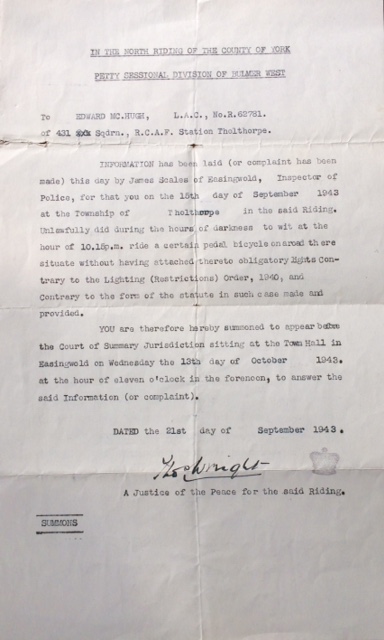
On September 15, 1943 Police Inspector James Scales stopped my father, Edward McHugh, on the road between Easingwold and Tholthorpe. It was the middle of WWII and my father was probably in a hurry to get back to the RCAF base in Tholthorpe, Yorkshire, England. As he was part of the maintenance ground crew of RCAF Iroquois Sqaudron 431, he may have had to get up early to prepare the aircraft for an early morning sortie.

Officer Scales stopped my dad while he was riding a bicycle in the dark. He had left Easingwold, a small village about a half hour bicycle ride from the base. More specifically, it was 10:15 p.m.  I have the Summons that he received to report to the Court of Summary Jurisdiction in Easingwold.1

McHugh, Edward Summons.jpg

Dad was riding a “certain pedal bicycle” during the hours of darkness. He had unlawfully failed to attach the “obligatory lights” in conformance with the Lighting (Restrictions) Order, 1940.2

Great Britain, together with France, declared war on Nazi Germany on September 3, 1939.3 By January 1940, the Lighting (Restrictions) Order established a country-wide blackout during the hours of darkness.4 This restricted and forbade public lighting in towns. It required that street lamps be dimmed and that business and private residences black out their windows with blackout curtains so that light could not seep out. It also provided specifications for dimming the lights of motor vehicles and bicycles.5

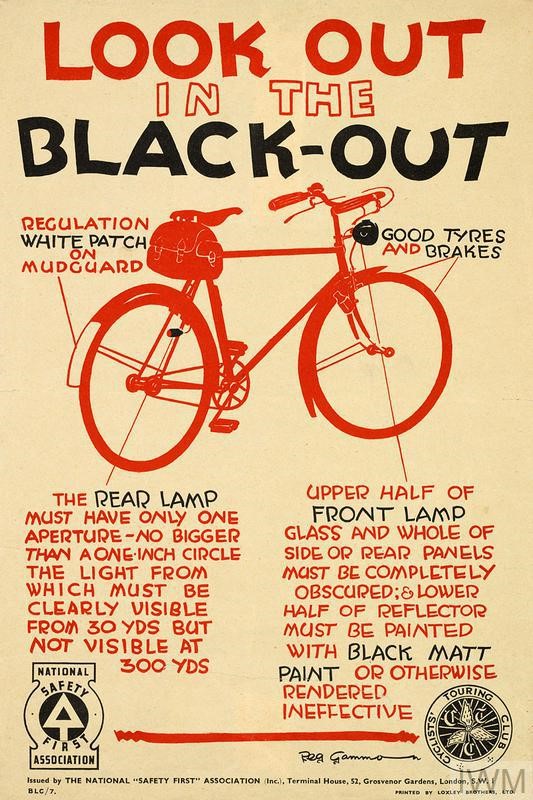
Here is a poster that gives instructions on how to outfit a bicycle so that the lights are dimmed and facing the ground.6

Look out Black Out.jpg

My father would have known that the blackout was important and all his life he scrupulously followed the law. So he was not stopped because he didn’t care about the blackout. He was stopped because he didn’t have any lights at all.7

Once Britain imposed a country wide blackout through the Lighting (Restrictions) Order, car accidents increased and pedestrian fatalities doubled.8 Citizens were discouraged from nights out at the pub and were told to carry a newspaper or a white handkerchief so that they could be seen.9 Police Inspector Scales had decided to impose the letter of the law.10

I like to imagine that my dad had cycled into Easingwold for an evening out at the pub for a pint and a game of darts. He learned to play darts during the war and he continued to enjoy the game his whole life.  Bicycles were used on the base, so I assume that he borrowed one of them.11

In any event, while he must have been frustrated at being summoned to court for failing to have a light on the bicycle, it does seem a little dangerous to be travelling on a country road with no lights during a total blackout. But surely a smaller risk than fighting in a war that lasted five years.


  1. Summons to Edward McHugh, LAC, No. R. 6278 of 431 Squadron, RCAF Station Tholthorpe dated September 21, 1943, in author’s possession.
  2. Ibid.
  3. Wikipedia web site, “Declarations of war during World War II,” https://en.wikipedia.org/wiki/Declarations_of_war_during_World_War_II, accessed April 22, 2018.
  4. Wiggam, Marc Patrick, The Blackout in Britain and Germany in World War II, Doctoral thesis, University of Exeter, March 2011, page 107.
  5. The Guardian, online edition, “Life during the blackout,” November 1, 2009, https://www.theguardian.com/lifeandstyle/2009/nov/01/blackout-britain-wartime, accessed April 22, 2018.
  6. Used with the kind permission of the Royal Society for the Prevention of Accidents. rospa.com.
  7. Summons to Edward McHugh, LAC, No. R. 6278 of 431 Squadron, RCAF Station Tholthorpe dated September 21, 1943, in author’s possession.
  8. Spartacus Educational web site, Blackout World War 2, http://spartacus-educational.com/2WWblackout.htm, accessed April 22, 2018.
  9. The Guardian, online edition, “Life during the blackout,” November 1, 2009, https://www.theguardian.com/lifeandstyle/2009/nov/01/blackout-britain-wartime, accessed April 22, 2018.
  10. Summons to Edward McHugh, LAC, No. R. 6278 of 431 Squadron, RCAF Station Tholthorpe dated September 21, 1943, in author’s possession.
  11. Joost, Mathias (Major), The unsung heroes of the Battle of Britain: The ground crew of No. 1 (RCAF) Squadron, September 11, 2017, Royal Canadian Air Force web site, http://www.rcaf-arc.forces.gc.ca/en/article-template-standard.page?doc=the-unsung-heroes-of-the-battle-of-britain-the-groundcrew-of-no-1-rcaf-squadron/idw3fd9t, accessed April 22, 2018.