
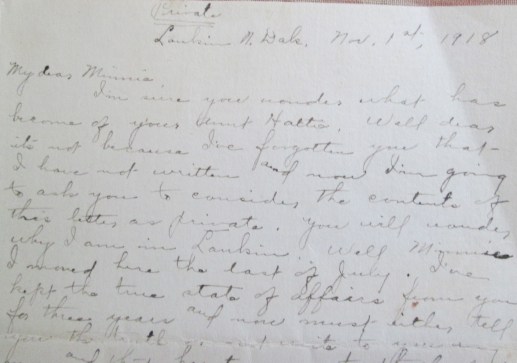
In 1918 Hattie Bailey wrote a letter to her niece, Minnie Eagle Sutherland and marked it “private”. What would you do if you found such a letter? I read it!
“My dear Minnie, I am sure you wondered what has become of your Aunt Hattie. Well dear it is not because I have forgotten you that I have not written.”
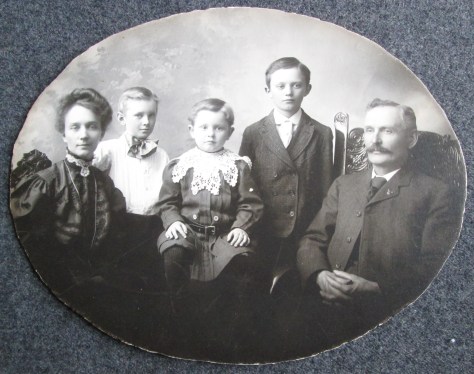
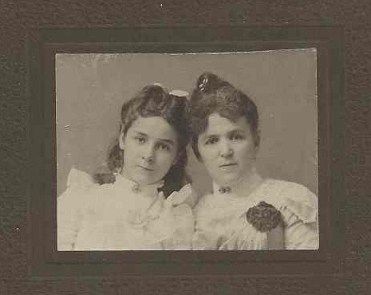
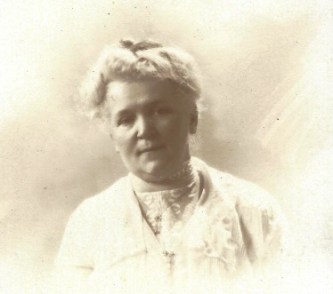
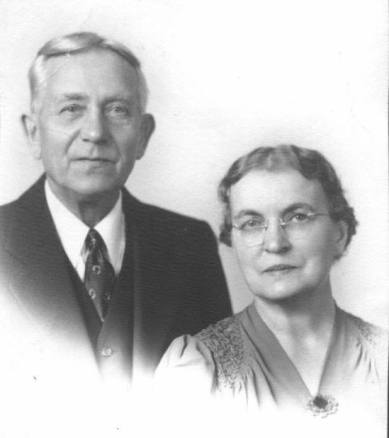
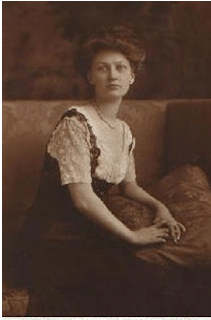
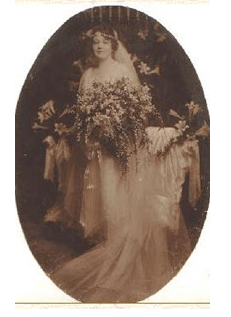
I had never heard of Hattie until I found her letters. Harriet Anne Stuart was born in Canada in 1876. A few years later her family immigrated to North Dakota. There, Hattie met and married William John Bailey. Jack as he was known, was my great grandmother’s brother. He was born in Toronto and also immigrated to the United States where he began his career in the lumber industry.
Jack was a successful man. He started with a carpentry business, then operated a small sash and door factory and later opened a lumber yard in Inkster, North Dakota. He was an Inkster councilman on the 1st council and a pioneer retail lumberman in the upper Mississippi Valley. He was much older than Hattie. They had three sons, Norman, Admiral and Hollis. Jack’s business did well, they had a nice house and life was good or was it?
Jack’s sister Isabella “Bella” Bailey came for a visit. While in Inkster she was ill and bedridden for a number of weeks. The minister, Mr Richmond would often come to the house as his visits really cheered up Bella. Hattie also enjoyed the visits as he was a good listener. “Well the sad thing happened that comes into many lives, we became very fond of each other.” She and Jack had already gone through some rough times, mostly to do with Jack’s drinking. Then one day, Jack came home and overheard the minister comforting his wife. He was “wild with jealousy”. He made Hattie write down everything they had said to each other. Although she thought that was to be the end of it, he then forced the minister to leave the church without even saying goodbye to the congregation. Hattie thought she was forgiven but, “The fire of jealousy burned day and night”. “He fancied that I was immoral and accused me of dreadful things. Never during the friendliness with Mr Richmond was there ever a thought of wrongdoing”.
They continued to live together for a couple of years. Jack never gave her even a dollar and she was forced to earn money by sewing, baking and doing fancy work. Finally, her sons encouraged her to leave Jack as everyone was unhappy. “The boys said I must have the home and their father must live elsewhere.”
Then Jack became sick, he moved back home and she nursed him back to health. During that time he was “his dear old self again”, but as soon as he was well and back to his drink and old associates, life for Hattie became unbearable once more.
It was hard to avoid Jack in a small place like Inkster so Hattie moved away to Larkin, North Dakota, near her sister Cora. In Larkin, she had a number of boarders to help make ends meet. When she left the family house her youngest son was still in school so he stayed with his father. The two older boys were away, serving in the Army and Airforce during WWI and both parents continued to have close relationships with their sons.
Through all the years Hattie continued to love Jack, they just couldn’t live together. He was on route to spend Thanksgiving with his son Norman when he had a heart attack. He was taken off the train and died in hospital. Hattie was devastated as now they would never get back together. She dreamed about them sitting on the porch in their rocking chairs. “As long as he was living I hoped that someday we would sit side by side and forget all our mistakes of the past.”
Notes:
Letter from Hattie Bailey to Minnie Sutherland from Larkin, North Dakota, November 1, 1918. In possession of the author.
Letter from Hattie Bailey to Minnie Sutherland from Walker, Minnesota December 17, 1930. In possession of the author.
Letter from Norman Bailey to Eliza Jane Bailey Eagle, Amy Eagle and Jim Bailey, Duluth, Minnesota, November 23, 1930. In possession of the author.
Harriet Anne Stuart 1874 -1947.
William John Bailey 1854 – 1930.


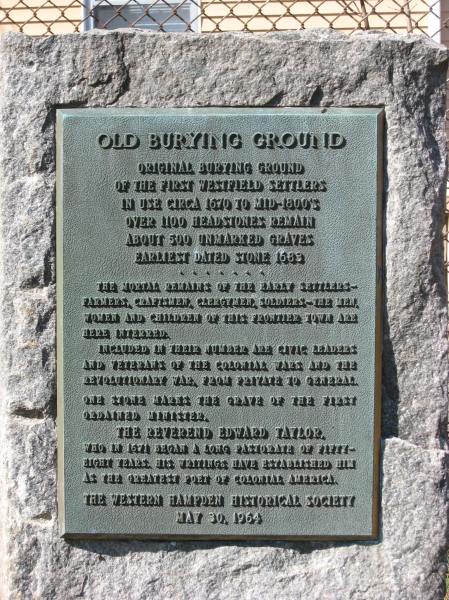 Among the more than 1100 gravestones and several hundred more unmarked graves in this cemetery, I was looking for the resting places of three of my direct ancestors: my six-times great-grandfather Daniel Bagg, his father-in-law, Isaac Phelps, and his son’s father-in-law, Consider Moseley. I found them in the southeast section of the cemetery where many of the oldest plots are located.1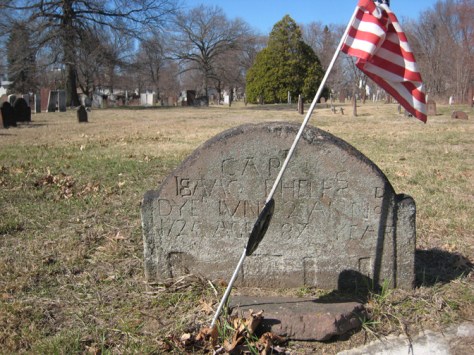
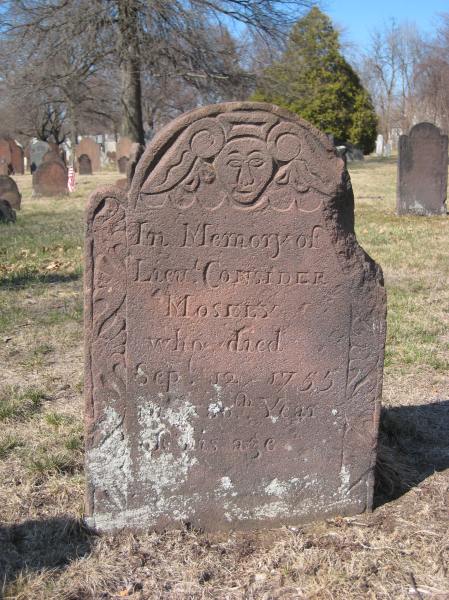 Lieut. Consider Moseley’s red sandstone tombstone, with a carved face, crown and wings symbolizing everlasting life, was close to Isaac’s.5 Consider (1675-1755) was the fifth of 10 children of John Maudsley (the name was spelled various ways) and Mary Newberry. The Maudsley/Moseley family moved from Windsor to Westfield around the time of Consider’s birth. In 1709, when Consider was 34 years old, he married Elizabeth Bancroft. They had eight children, including twins Elizabeth and Daniel, born in 1714. After his first wife died, Consider married widow Rebecca Dewey. His daughter Elizabeth married David Bagg, the son of Daniel Bagg and Hannah Phelps, in 1739.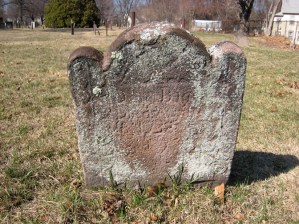


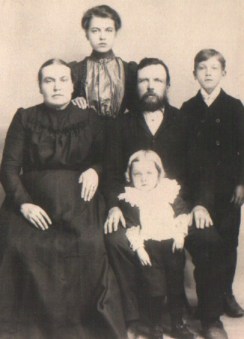
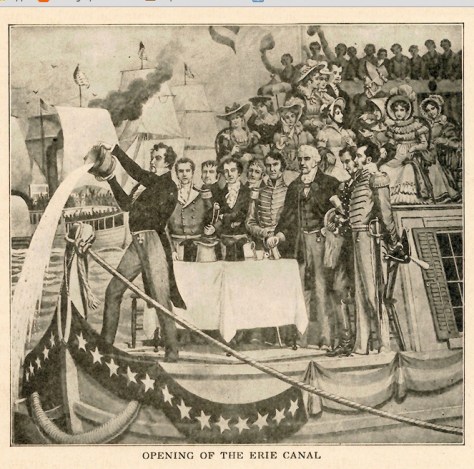
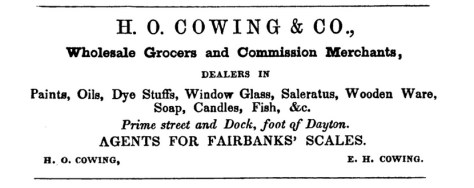 Harrison Cowing was a grocer and merchant in Buffalo and became the official head of the household. In 1850, the Cowing family, Lucie and William and their unmarried daughters were living in the brick family home at Pennsylvania and Tenth.15, 16 At that time, William’s occupation was land dealer. He died two years later.17
 Genealogy Ensemble